Reclaim Deep Sleep: 5 Surprising Ways Tech Gadgets Boost Senior REM Sleep
Key Takeaways
- Wearable Sleep Trackers: Your Nightly Report Card
- Smart Lighting: Recalibrate Your Aging Body Clock
- White Noise & Smart Speakers: Silence the City's Sleep Robbers

Here is a number that surprises most people: by our 70s, we often get less than half the deep dream sleep (REM) we had in our 30s and that is exactly why you can wake up foggy no matter how early you went to bed.
Picture it: you lie awake at 3 a.m. in your city apartment, hearing the elevator hum, wondering what happened to a good night's rest.
You're not broken. As we age, REM sleep naturally shrinks, and that groggy morning feeling follows.
Here is the good news: sleep technology for seniors can gently nudge that REM sleep back, and no, it does not mean turning your bedroom into a spaceship.
In this piece you'll get 5 specific, non-obvious ways wearable devices (like smartwatches or simple rings) and smart home gadgets may improve REM sleep for older adults — these aren't just about apps and bright screens.
And there is one timing trick most people get completely backwards. Stick around for that last one.
Contents
1. Wearable Sleep Trackers: Your Nightly Report Card
✅ Key points
- REM around 15-20%
- Track nightly patterns
- Trend not diagnosis
'REM: 11%.' That is what one glass of wine did to a reader's deep sleep — and she never would have known without a mid-range ring tracker she picked up for under $50.
Most adults over 60 naturally get only 15–20% REM sleep, but the real eye-opener is watching that number shift when you change a single habit: a warm room, that 4 p.m.
coffee, or a nightcap that felt harmless. Here is why smart sleep tech wearables work where willpower does not — you cannot fix what you cannot see, and a number on your wrist makes the invisible impossible to ignore.

Photo: Unsplash / Claudia Mañas
One honest caveat worth knowing: wearable sleep trackers estimate sleep stages, they do not diagnose, so treat your REM percentage as a trend over weeks, not a verdict on any single night.
This week, try this: wear your tracker three nights in a row and compare your REM% against what you ate or drank after 6 p.m.
The pattern may surprise you.

2. Smart Lighting: Recalibrate Your Aging Body Clock
✅ Key points
- Bright light morning
- Dim amber evening
- Blue light delays sleep
Here is the part most doctors never mention about senior REM sleep and smart home gadgets: your eyes are quietly working against your body clock — and a $15 smart bulb can push back.
As we age, our eyes let in significantly less light, which causes the internal sleep-wake rhythm to drift.
That drift delays melatonin release, compresses REM sleep, and leaves you wide awake at 2 a.m. for no obvious reason.
Smart bulbs that shift automatically — cool and bright at 7 a.m. to re-anchor your clock, amber and dim after 8 p.m.
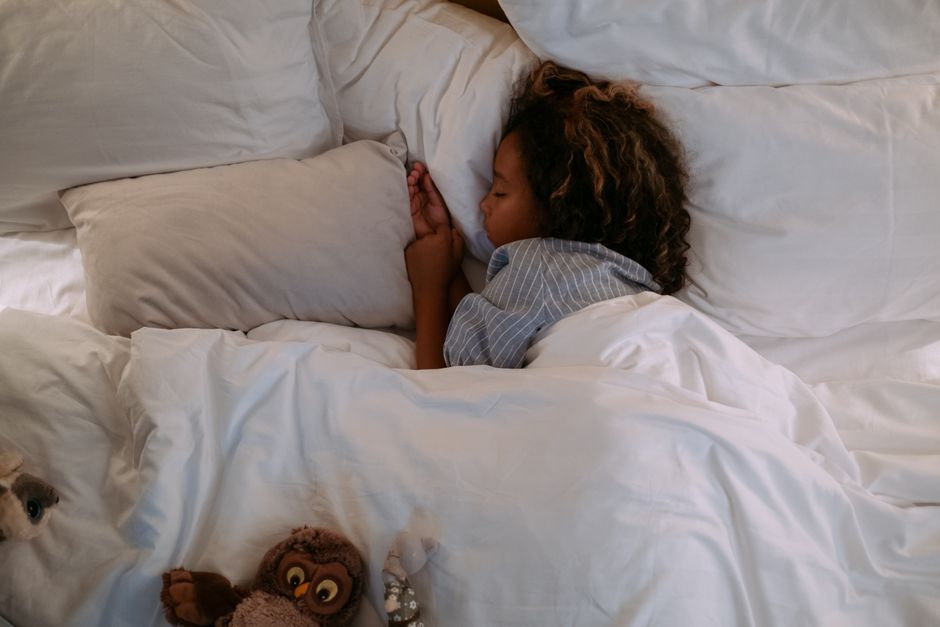
Photo: Pexels / cottonbro studio
to cue melatonin — do the correcting your eyes can no longer do on their own. The single most common mistake that cancels all of this out?
Scrolling a bright phone in bed. That blue light signals your brain that it is noon, suppressing melatonin right when you need it most.
Tonight, try this: set your bedroom bulb to shift to warm amber one hour before your target bedtime, and charge your phone outside the bedroom.
3. White Noise & Smart Speakers: Silence the City's Sleep Robbers
✅ Key points
- Mask sudden noises
- Steady pink noise
- Automatic bedtime start
If you have ever been jolted awake at 3 a.m. by a siren, a neighbor's door, or an elevator chime, you already know the problem — and REM sleep is the first casualty.
REM is your lightest, most easily interrupted stage, and a single jarring noise can cut you out of it for the rest of the night.
Studies have found that pink noise — a softer, deeper cousin of white noise — can reduce nighttime awakenings in older adults by a significant margin, making it one of the most underrated smart sleep tech tools available.

Photo: Pexels / cottonbro studio
Set a smart speaker or dedicated sound machine to a steady, low-volume pink noise loop.
Avoid music with changing beats and rhythms, which keeps the brain actively 'listening' rather than settling.
The hidden gem most seniors miss: a single bedtime voice command that dims your lights and starts your sound machine simultaneously.
Try setting one up tonight — it takes under two minutes and removes one more decision from an already tired mind.
4. Smart Thermostats: The 65°F Sweet Spot
✅ Key points
- Aim 65-68°F
- Core temp must drop
- Cool room warm socks
Here is something counterintuitive worth knowing: wearing socks to bed can actually help cool your body down faster — and that cooler core is precisely what deeper REM sleep requires.
Warm feet widen blood vessels near the skin, which releases heat from your core more efficiently, allowing your body temperature to drop to the level that unlocks deep, restorative sleep.
Set the stage for that drop with a smart thermostat programmed to cool your bedroom to 65–68°F (18–20°C) about an hour before bed, then warm back up before your alarm.
A warm room physically prevents the core temperature dip your body needs to stay in REM, making this one of the easiest smart sleep tech wins available.
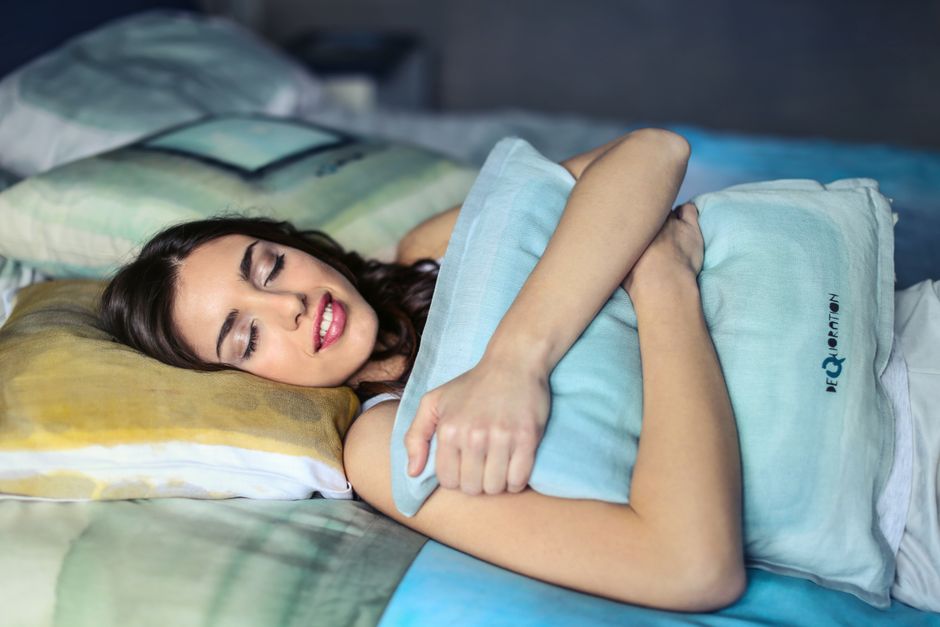
Photo: Pexels / Andrea Piacquadio
No smart thermostat yet? A basic programmable timer thermostat in the $25–$40 range achieves the same pre-bed cooling automatically — no app or Wi-Fi required.
5. The Timing Trick: Why Wind-Down Alerts Beat Sleep Alarms
✅ Key points
- Wind-down 60-90 min
- Reminder not just alarm
- Same time nightly
Here is what most people get completely backwards: the most powerful setting on any smart sleep gadget is not your morning alarm — it is a wind-down reminder 60–90 minutes before bed.
Going straight from a stressful news program to your pillow keeps cortisol elevated and steals your first REM cycle, which can cut your total REM for the entire night by up to 30%.
A simple phone or watch nudge at the same time each evening — signaling you to dim lights, step away from screens, and begin your routine — gives your nervous system the runway it needs to shift into rest mode before your head hits the pillow.
Consistency matters more than the exact hour you choose: a regular wind-down time, even on weekends, is what compounds into meaningfully better REM sleep over weeks.
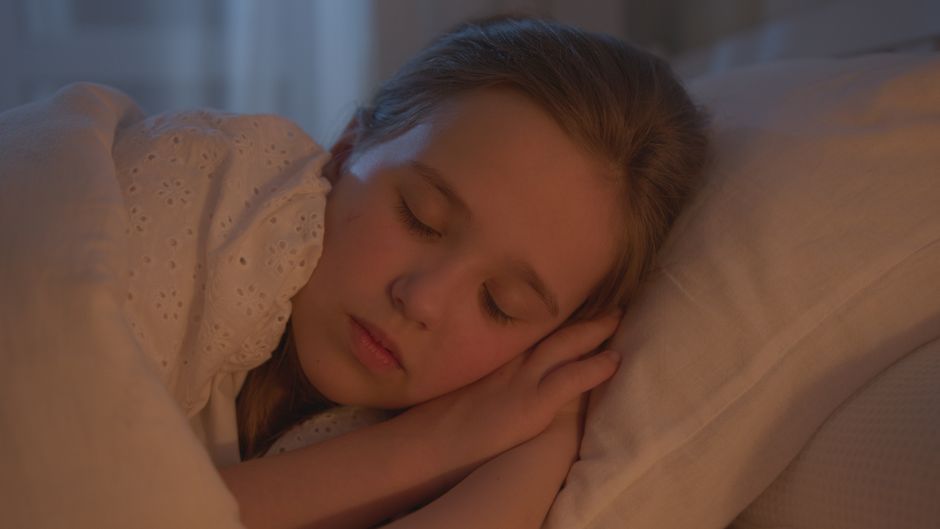
Photo: Pexels / Artem Podrez
Start tonight with the full loop — set one wind-down reminder, drop the thermostat, and check your tracker in the morning. Five small tech changes, one measurably better night.
When to see a doctor
- Loud snoring with gasping or choking, or a partner sees you stop breathing (possible sleep apnea)
- Acting out dreams — kicking, shouting, or thrashing during sleep
- Daytime sleepiness so severe it affects driving or daily safety
- Ongoing insomnia despite good sleep habits, especially with mood changes or memory concerns
Wrap-up
You don't need a gadget-filled bedroom to sleep better — pick just one from this list and start tonight.
If you do only one thing, set that wind-down reminder 60-90 minutes before bed; that is the 'timing trick' we promised, the quiet game-changer most people skip.
This guide to sleep technology for seniors shows 5 surprising ways tech gadgets and wearable devices may boost REM sleep and improve sleep quality in older adults naturally.
So which of these surprising tips will you try first tonight? Sweet dreams — and talk with your doctor if sleep troubles persist.
✅ Your checklist for today
☐ Set smart lights to dim and warm after 8 p.m.
☐ Cool the bedroom to about 65-68°F before bed
☐ Turn on steady white or pink noise at lights-out
☐ Enable a wind-down reminder 60-90 minutes before sleep
☐ Check your tracker's REM trend and note one habit that lowered it
Frequently asked questions
Q. Are sleep trackers accurate enough for seniors to rely on?
A. They're good at spotting trends but not perfect at pinpointing exact sleep stages.
Use the nightly numbers to compare your own habits over time, not as a medical diagnosis.
If your tracker flags something worrying repeatedly, bring the data to your doctor.
Q. Can tech gadgets replace sleep medication?
A. No — they're best seen as support, not a substitute.
Sleep technology may help improve your sleep environment and routine, but never stop or change prescribed medication without talking to your doctor first.
Q. I'm not tech-savvy. Is smart sleep gear too complicated for me?
A. Most modern devices are designed for one-tap or voice setup, and you only need one or two — start with a smart bulb or a simple sound machine.
Once it's set, it runs automatically. Ask a family member to help with the initial setup and you're done.
If this was helpful, please follow and share. Questions? Leave a comment below!
Helpful products
These items may be helpful in daily life; individual results may vary.
Smart Sleep: 5 Surprising Ways Tech Gadgets Boost Senior REM Sleep on Amazon ›As an Amazon Associate, I earn from qualifying purchases.
#SeniorSleep #REMSleep #SleepTech #ElderlyWellness #SmartSleep #AgingHealth #SleepTechForSeniors #BetterSleep50Plus
🔗 You may also like
• Sleep Blood Pressure: The Hidden Heart Risk 60% of Seniors Ignore (Why Night Readings Matter More)• Blood Sugar After 50: The Surprising Food-Order Switch Most People Get Wrong• Memory Slips After 50? The Surprising Truth Behind Your Forgetfulness (and 5 Simple Fixes)🌐 ReyB Network
▶ Watch more senior-health videos on ReyB Health Lab YouTube.
🔗 All links & recommended products📚 Trusted sources to learn more
For more, see trusted sources such as the CDC and the Mayo Clinic.
📝 About this article
'ReyB Health Notes' explains trusted public health information in plain language for seniors. (Reviewed July 2026)
This article is general health information and is not a substitute for diagnosis or treatment. If you have symptoms or concerns, please consult a medical professional.
Comments
Post a Comment