Memory Slips After 50? The Surprising Truth Behind Your Forgetfulness (and 5 Simple Fixes)
💡 Key Takeaways
- Everyday memory slips after 50 are often fixable.
- Most memory problems at 50 are not dementia.
- Simple daily habits can sharpen short-term memory.

You walked into the kitchen and forgot why. You blanked on a friend's name mid-sentence.
Take a breath — that's not always a red flag. Here's the takeaway first: most everyday memory slips in your 50s and beyond come from sleep, stress, and brain fog — not dementia.
In fact, research suggests the vast majority of these 'senior moments' trace back to common, fixable factors, and simple daily habits may help sharpen short-term memory in older adults.
In the next few minutes you'll unlock the hidden causes of sudden memory loss, learn non-obvious timing tricks that boost recall, and discover one twist most people miss.
Stick around for the single best tip near the end — it surprises almost everyone.
📑 Contents
1. Why Am I So Forgetful? The 5 Real Causes of Memory Loss at 50
✅ Key points
- Poor sleep, anxiety, meds affect memory.
- Dehydration, low B12, thyroid are causes.
- Forgetting a room's purpose is normal.
Here is what nobody tells you: most memory problems at 50 have nothing to do with dementia.
Poor sleep, anxiety, certain medications, and relentless brain fog are responsible far more often than serious disease — and every single one of those is fixable.
When your brain never properly 'files' a moment in the first place, you cannot recall it later; that is not memory loss, that is an overloaded filing system.
Dehydration, low B12, and an underactive thyroid round out the usual suspects for older adults experiencing fuzzy thinking.
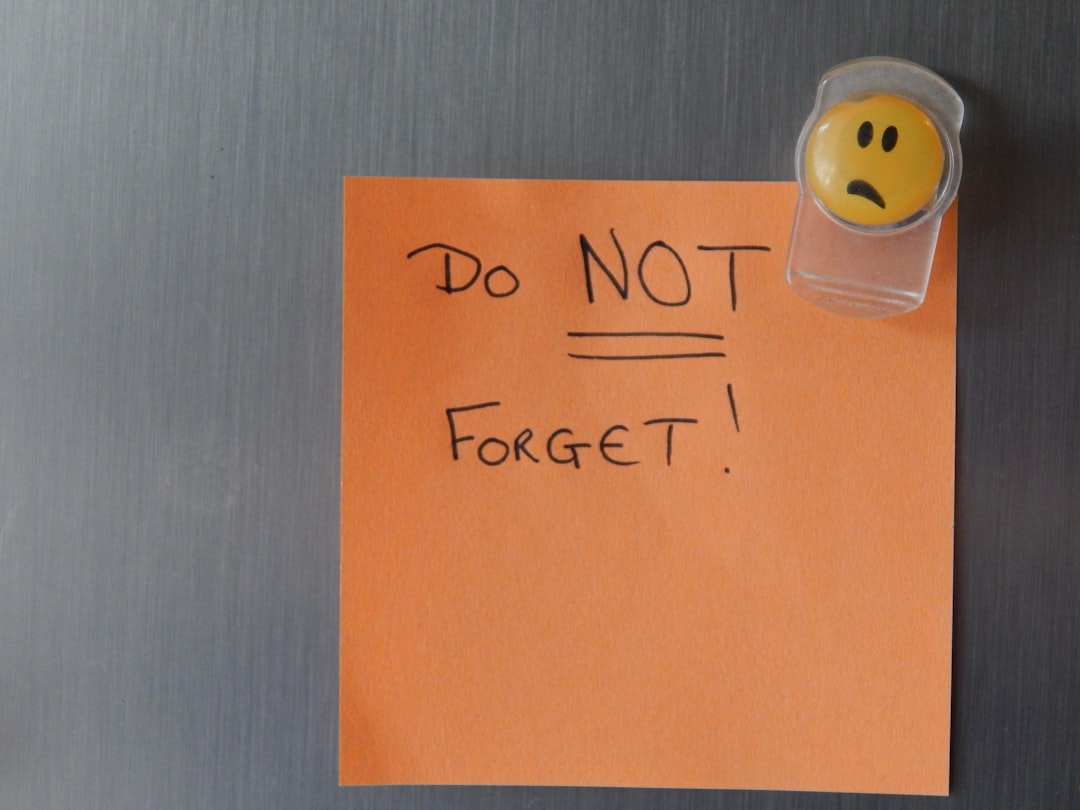
Photo: Unsplash / dianne clifford
But here is the line that actually matters for senior health: forgetting why you walked into a room is normal.
Forgetting how to perform a task you have done for decades is the signal worth acting on.
If you are over 50 and worried about your memory, keep reading — because the next section reveals the hidden cause most people never suspect.
💡 30 minutes of brisk walking most days is a memory booster.

2. The Hidden Cause of Brain Fog Most People Miss — and the Fastest Ways to Improve Short-Term Memory
✅ Key points
- Multitasking sabotages your memory.
- Guard the moment of 'encoding'.
- Single-tasking boosts short-term memory.
Myth busted: multitasking is not training your brain — it is actively sabotaging your memory.
Brain fog in older adults most often traces back to broken sleep, blood-sugar crashes, and splitting attention across five tasks at once, so nothing ever sticks.
The fastest fix? Guard the moment of 'encoding.' Your brain locks in fresh information best in the first 20–30 seconds, so say a new name out loud or write it down immediately.

Photo: Pixabay / Clker-Free-Vector-Images
Then try single-tasking: finish one thing, pause 10 seconds, and mentally replay it before moving on.
That tiny habit alone can produce a noticeable lift in short-term memory within days.
The bottom line for senior health: slow down the input, and your recall speeds up. Action step: pick one task today and give it your full, undivided attention from start to finish.
3. Brain Health Foods List and Vitamins for Memory: What Actually Helps
✅ Key points
- Mediterranean diet supports cognition.
- Omega-3s, berries help brain cells.
- Low B12 or D drain clarity.
Did you know that what you eat at breakfast can directly affect how sharply you think by mid-morning? A Mediterranean-style pattern — oily fish, leafy greens, berries, nuts, and olive oil — is the approach most consistently linked to stronger cognitive function in older adults.
Omega-3s from salmon or sardines (roughly two servings a week) support the membranes that keep brain cells communicating, while colorful berries deliver antioxidants that researchers associate with slower age-related decline.
Low B12 or vitamin D can quietly drain mental clarity; correcting either level with your doctor's guidance often produces a surprisingly fast improvement in memory.

Photo: Pexels / Kampus Production
Here is the non-obvious part most people miss: timing matters.
Scheduling your biggest mental tasks right after a balanced meal — not on an empty or sugar-crashed stomach — gives your brain steadier fuel and measurably better focus.
Action step: add one handful of berries and one serving of leafy greens to tomorrow's meals and notice the difference within a week.
4. How to Boost Memory and Focus: Movement, Mindfulness, and Memory Games
✅ Key points
- Brisk walking boosts memory.
- Mindful breathing calms stress hormones.
- Novelty stretches neural pathways.
Here is a number worth remembering: 30 minutes of brisk walking most days is one of the best-studied memory boosters available to older adults — no prescription required.
Walking increases blood flow and stimulates BDNF, a protein that literally helps your brain grow new connections.

Photo: Unsplash / Matheus Protzen
Pair that with just 10 quiet minutes of focused breathing each day and you may calm the stress hormones that scramble recall. Memory games for seniors can help, but only when they stay genuinely challenging — the same puzzle you have solved a hundred times is entertainment, not exercise.
The real workout for your brain is novelty: a new walking route, a few words of a new language, or a recipe you have never attempted before stretches neural pathways in ways repetition simply cannot.
Action step: this week, swap one familiar habit for something brand new and give your brain the challenge it is craving.
5. When to Talk to Your Doctor: Understanding Serious Memory Concerns (and Research-Backed Prevention Tips)
✅ Key points
- Dementia is a broad term.
- Talk to doctor for concerns.
Let us clear up the confusion that stops many older adults from getting help: dementia is the broad umbrella term for declining memory and thinking ability, while Alzheimer's is the most common specific disease underneath that umbrella.
All Alzheimer's is dementia, but not all dementia is Alzheimer's — and knowing that difference can help you ask the right questions.
No single step guarantees prevention, but strong research points to managing blood pressure, blood sugar, sleep quality, and social connection as genuine risk-reducers worth discussing with your doctor.
Here is the twist most people are shocked to learn: untreated hearing loss is among the most powerful, and most overlooked, risk factors for cognitive decline in older adults.

Photo: Pixabay / OpenClipart-Vectors
Straining to hear steals the mental energy your brain needs for memory storage. Treat your hearing, stay socially active, move your body daily, and your brain gains a real, evidence-backed edge.
Action step: if any of these warning signs feel familiar, schedule a conversation with your doctor this month — catching concerns early is always the strongest move for long-term senior health.
Share this guide with someone you care about; it could make a genuine difference.
When to see a doctor
- Memory loss that disrupts daily tasks like paying bills or cooking familiar meals
- Getting lost in familiar places or forgetting the way home
- Trouble finding words, repeating questions, or noticeable personality changes
- Sudden confusion, slurred speech, or weakness — call emergency services right away
Wrap-up
If you remember one thing today, make it this: protect your sleep tonight and book a check of your B12, thyroid, and hearing.
These small, often overlooked fixes may sharpen memory more than any pricey supplement.
Memory loss after 50 is often manageable with simple daily habits, better sleep, brain-healthy foods, movement, and timely medical checks.
So take the first step now — be patient with yourself, stay curious, and keep your brain learning something new every day.
✅ Your checklist for today
☐ Write down new names or appointments within 30 seconds
☐ Take a 30-minute brisk walk today
☐ Add one serving of berries or oily fish to a meal
☐ Do 10 minutes of quiet, focused breathing
☐ Ask your doctor to check B12, vitamin D, thyroid, and your hearing
Frequently asked questions
Q. What causes sudden memory loss?
A. Sudden memory loss can come from poor sleep, stress, dehydration, medication side effects, or low B12 — but a truly abrupt change with confusion or slurred speech needs urgent medical care to rule out a stroke or other serious cause.
Q. Are there natural remedies for memory loss that actually work?
A. There's no miracle fix, but a Mediterranean-style diet, regular brisk walking, good sleep, mindfulness, and staying socially active are the natural habits most linked to better memory.
Talk with your doctor before starting supplements.
Q. Is being forgetful at 50 a sign of dementia?
A. Usually not. Occasional slips like forgetting a name or why you entered a room are normal aging. It's more concerning when memory problems interfere with daily life or familiar tasks — that's worth a doctor visit.
If this was helpful, please follow and share . Questions? Leave a comment below!
Helpful products
These items may be helpful in daily life; individual results may vary.
Memory supplement on Amazon › Memory for seniors on Amazon ›As an Amazon Associate, I earn from qualifying purchases.
#MemoryHealth #BrainBoost #CognitiveFunction #MemoryLoss #BrainHealth #MentalWellness #SeniorHealth #OlderAdults
🔗 You may also like
• Is Your Spark Dimming? 5 Surprising Fixes for Coping With Depression in Older Age• Cutting Back on Alcohol After 50: 5 Wins You'll Feel Fast (Not Quitting)• Foods That Lower Cholesterol: 5 Smart Picks After 50🌐 ReyB Network
▶ Watch more senior-health videos on ReyB Health Lab YouTube.
🔗 All links & recommended products📚 Trusted sources to learn more
For more, see trusted sources such as the CDC and the Mayo Clinic.
📝 About this article
'ReyB Health Notes' explains trusted public health information in plain language for seniors. (Reviewed June 2026)
This article is general health information and is not a substitute for diagnosis or treatment. If you have symptoms or concerns, please consult a medical professional.
Comments
Post a Comment