Sleep Blood Pressure: The Hidden Heart Risk 60% of Seniors Ignore (Why Night Readings Matter More)
Key Takeaways
- Why Your Nighttime Blood Pressure Climbs (and Why It's Dangerous to Ignore)
- Is High Nighttime Blood Pressure Dangerous? What the Risks Really Are
- Symptoms of Nocturnal Hypertension in Seniors (and the Sleep Apnea Link)

Here's the takeaway first: your daytime blood pressure can look perfectly fine while your sleep blood pressure quietly climbs — and that overnight spike is one of the most overlooked heart risks in seniors.
In fact, close to 60% of seniors have no idea it's happening. Ever wake up around 3 or 4 a.m. with a pounding chest or a headache, then feel normal by breakfast?
You're not imagining it. Nocturnal hypertension is often called 'silent high blood pressure' because your regular clinic reading misses it completely.
Research suggests night readings may predict heart attack and stroke risk more accurately than daytime numbers.
Stick with me — later I'll share the one simple 3-minute at-home timing trick most people never try that can reveal what your sleeping body is really doing.
Contents
- Why Your Nighttime Blood Pressure Climbs (and Why It's Dangerous to Ignore)
- Is High Nighttime Blood Pressure Dangerous? What the Risks Really Are
- Symptoms of Nocturnal Hypertension in Seniors (and the Sleep Apnea Link)
- How to Safely Check Your Blood Pressure While Sleeping (The Easy At-Home Trick)
- Managing Blood Pressure at Night, Naturally and Safely
1. Why Your Nighttime Blood Pressure Climbs (and Why It's Dangerous to Ignore)
✅ Key points
- Should dip 10-20%
- Non-dipping is risky
- Aging arteries stiffen
- Salt keeps it high
What if your blood pressure is lying to you?
A normal daytime reading does not mean your heart is safe — and that gap in knowledge may be exactly what's putting seniors at risk.
Here's the hidden truth: your blood pressure should drop 10-20% while you sleep, a vital pattern doctors call 'dipping.'
The problem: in many older adults it stays flat or even rises overnight, a pattern called 'non-dipping' or 'reverse dipping,' and that's a serious red flag for heart strain.
This silent threat is estimated to affect a striking number of older adults — many of whom are completely unaware it's happening.
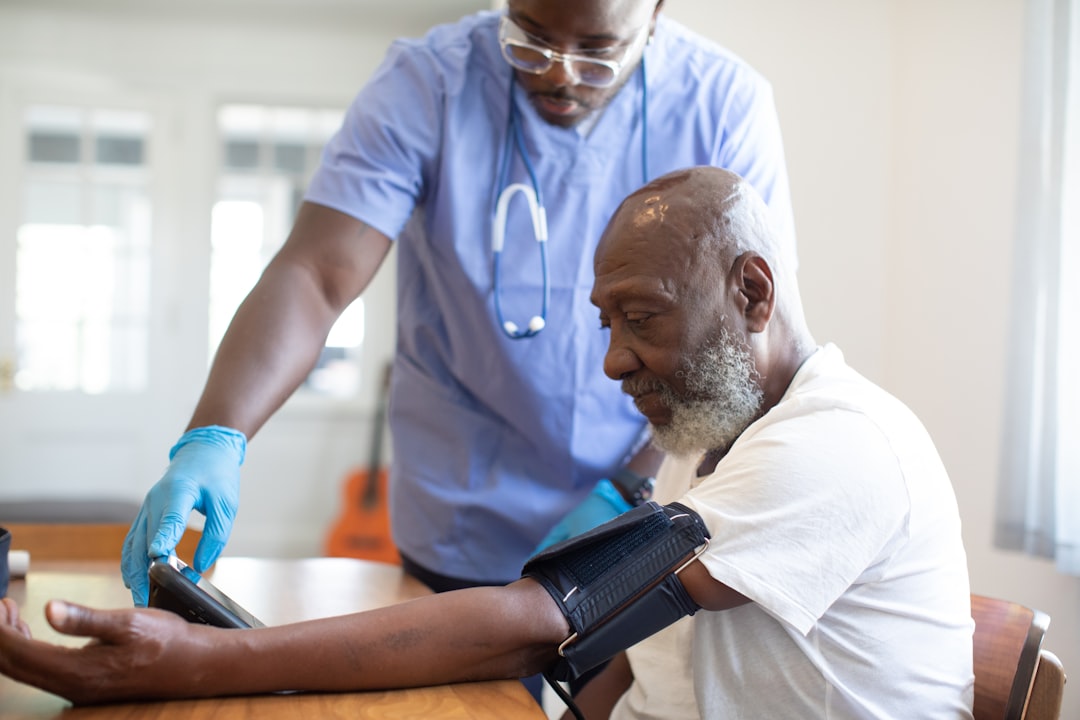
Photo: Unsplash / Nappy
Aging arteries, salt sensitivity, kidney changes, and certain medications can all keep your night numbers stubbornly high.
The uncomfortable bottom line: a normal daytime reading simply does not mean you're in the clear.
Sleep blood pressure is the hidden heart risk too many seniors ignore, and night readings may matter more than anything your doctor measures at noon.
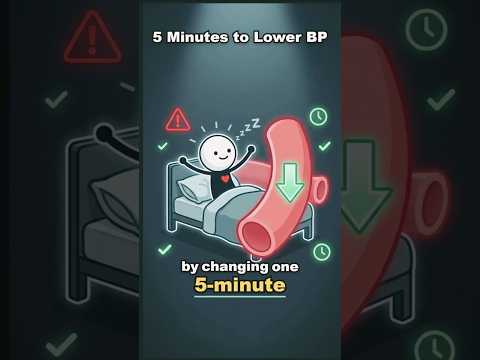
2. Is High Nighttime Blood Pressure Dangerous? What the Risks Really Are
✅ Key points
- Higher stroke risk
- Silent nightly strain
- Damages heart & kidneys
- No obvious symptoms
The danger isn't just real — it's a silent threat that works while you're completely unaware.
High sleep blood pressure is strongly linked to heart attack, stroke, and heart failure, often posing a greater risk than daytime readings because it strains your heart and blood vessels hour after hour with zero warning.
Over time, this quiet, relentless pressure can damage the kidneys, brain, and the heart's pumping ability — long before any obvious sign appears.
Here's what most people miss: **you can feel completely fine and still be accumulating this damage every single night.** You don't feel a stroke building.
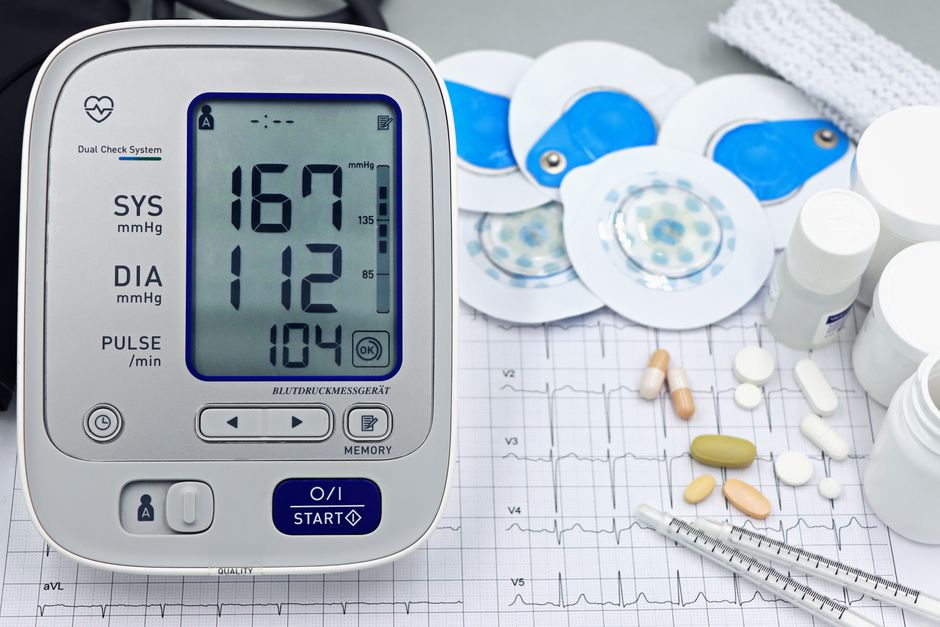
Photo: Pexels / Marta Branco
You don't feel kidney strain at 3 a.m. That invisibility is precisely what makes nocturnal hypertension one of the most underestimated heart risks seniors face today.
Night readings matter more than most people — and even some doctors — realise.
3. Symptoms of Nocturnal Hypertension in Seniors (and the Sleep Apnea Link)
✅ Key points
- Morning headaches
- Loud snoring, gasping
- Frequent night urination
- Sleep apnea link
The honest answer: nocturnal hypertension often has **NO clear symptoms** — which is exactly why it's so dangerous.
But a few subtle clues are worth taking seriously.
You might dismiss a nagging morning headache or persistent fatigue as 'just aging,' yet for many seniors these are the only early signals of dangerous overnight pressure spikes.
Watch for: early-morning headaches that fade by mid-morning, waking up gasping or snoring loudly, restless broken sleep, needing to urinate several times a night, and feeling genuinely exhausted despite a full night in bed.
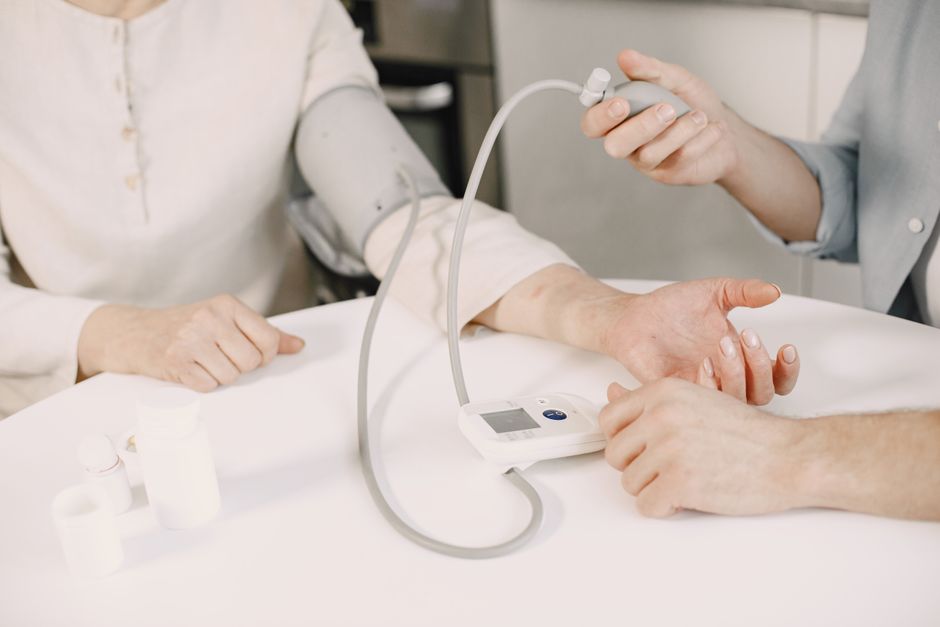
Photo: Pexels / Gustavo Fring
Sleep apnea — where breathing repeatedly pauses during sleep — is a major hidden driver of nighttime blood pressure spikes.
Loud snoring combined with daytime fatigue deserves a conversation with your doctor.
Key takeaway: treating sleep apnea may directly help bring those overnight numbers down, making it one of the most impactful steps a senior can take for heart health.
4. How to Safely Check Your Blood Pressure While Sleeping (The Easy At-Home Trick)
✅ Key points
- 24-hour ABPM monitor
- Measure 2-3 a.m.
- Stay lying, calm
- Log the pattern
The gold standard is 24-hour ambulatory blood pressure monitoring — a compact device your doctor fits that records readings automatically throughout the night, capturing the full picture a single office visit never can.
Can't get one right away?
Here's the at-home trick that works: set a quiet alarm and take a reading at around 2-3 a.m., stay lying down, breathe calmly for a minute, then measure.
This simple step catches the overnight pattern that a standard morning check completely hides.
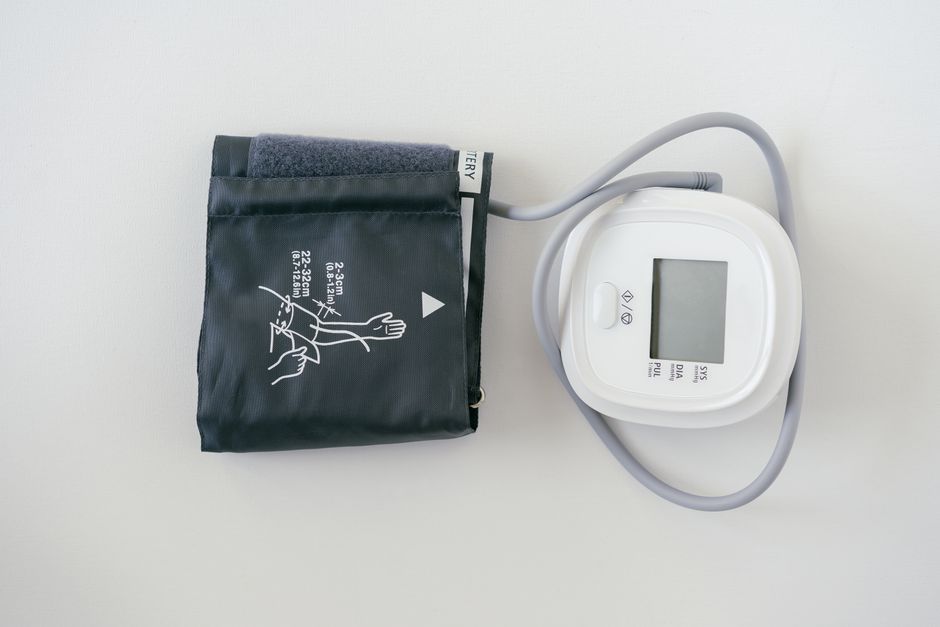
Photo: Pexels / Mikhail Nilov
Try this for **3 consecutive nights** and bring those logged numbers directly to your doctor — they could reveal a hidden risk that changes your care plan.
One essential myth to drop: a single high reading is not a diagnosis.
But a consistent pattern of high night numbers is a real, actionable signal that sleep blood pressure — the hidden heart risk seniors ignore — deserves serious attention.
5. Managing Blood Pressure at Night, Naturally and Safely
✅ Key points
- Ask about pill timing
- Low-salt dinner
- Treat sleep apnea
- Rise slowly, calmly
The single most effective first step is a straightforward conversation with your doctor about medication timing.
Some evidence suggests that taking a blood pressure pill in the evening may help certain people control their night readings more effectively — but never adjust your medication timing on your own without guidance.
Beyond medication, several consistent habits support healthier overnight pressure: cut back on salt at dinner, avoid alcohol and heavy meals within 3 hours of bed, keep your bedroom cool and dark, and address sleep apnea if it's been flagged.
Rise slowly in the morning rather than jumping up, since blood pressure can surge with sudden movement.
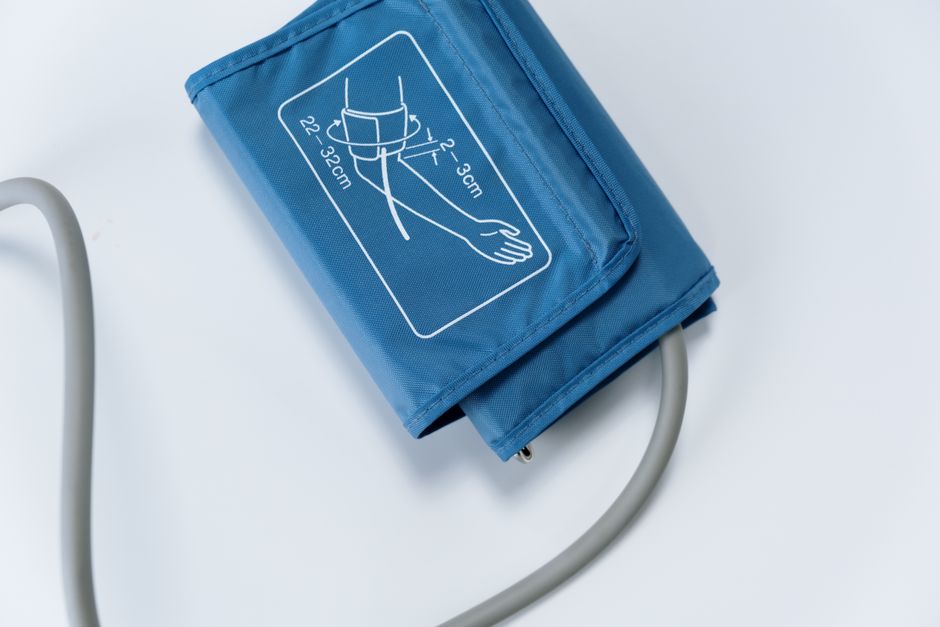
Photo: Pexels / cottonbro studio
Treating sleep apnea, if present, remains one of the highest-impact changes for lowering nighttime numbers naturally.
Small, steady habits compound over weeks and months — and when it comes to sleep blood pressure and the hidden heart risk too many seniors ignore, consistency matters far more than any single dramatic fix.
When to see a doctor
- Repeated morning headaches with high home readings
- Waking gasping, choking, or loud snoring with daytime exhaustion
- Night blood pressure staying at or above daytime levels
- Chest pressure, shortness of breath, or dizziness at night
Wrap-up
If you do one thing tonight, take the first step to protect your heart: set a gentle alarm for 2-3 a.m., take a single blood pressure reading, write it down, and bring it to your next appointment.
That one number could reveal a risk your daytime checks keep hiding — and catching it early may help lower your long-term risk of heart trouble and stroke.
Sleep blood pressure and nocturnal hypertension are silent, but you're no longer in the dark. Small steps tonight, a real conversation with your doctor tomorrow.
Meta summary: Sleep Blood Pressure — the HIDDEN heart risk 60% of seniors ignore.
Learn the critical night warning signs and the simple at-home check that reveals what daytime readings hide.
✅ Your checklist for today
☐ Take one reading around 2-3 a.m. lying down and log it
☐ Keep salt low at dinner tonight
☐ No alcohol or heavy meals within 3 hours of bed
☐ Ask your doctor about ambulatory monitoring or pill timing
☐ Note any snoring, gasping, or frequent night bathroom trips
Frequently asked questions
Q. My blood pressure spikes at night when I'm sleeping — is that normal?
A. No, it's not the normal pattern. Blood pressure should dip 10-20% during sleep; if it rises instead, that's nocturnal hypertension and worth discussing with your doctor, since it may raise heart and stroke risk.
Q. How accurate are home monitors for night readings?
A. A validated upper-arm cuff can be reliable if used correctly — sit or lie calmly, arm at heart level, no talking.
For a true sleeping picture, though, 24-hour ambulatory monitoring from your doctor is the most accurate option.
Q. Can lowering blood pressure naturally fix nighttime spikes?
A. Lifestyle steps like low-salt dinners, weight control, and treating sleep apnea may help, but they're not a guaranteed fix.
Keep any prescribed medication and review your night readings with your doctor before changing anything.
If this was helpful, please follow and share. Questions? Leave a comment below!
#SleepBloodPressure #NocturnalHypertension #HeartHealth #SeniorsHealth #HighBloodPressure #NightReadings #SleepApnea #BloodPressureMonitoring
🔗 You may also like
• Blood Sugar Management for Seniors: The Ignored Timing Trick That Flattens Spikes (and 4 More Habits)• Blood Sugar After 50: The Surprising Food-Order Switch Most People Get Wrong• Gut Health After 60: Foods That May Quietly Fix Bloating🌐 ReyB Network
▶ Watch more senior-health videos on ReyB Health Lab YouTube.
🔗 All links & recommended products📚 Trusted sources to learn more
For more, see trusted sources such as the CDC and the Mayo Clinic.
📝 About this article
'ReyB Health Notes' explains trusted public health information in plain language for seniors. (Reviewed July 2026)
This article is general health information and is not a substitute for diagnosis or treatment. If you have symptoms or concerns, please consult a medical professional.
Comments
Post a Comment