Blood Sugar After 50: The Surprising Food-Order Switch Most People Get Wrong
💡 Key Takeaways
- Eating veggies first blunts blood sugar spikes after 50.
- Gentle post-meal walks lower blood sugar effectively.
- Seniors may aim for relaxed A1C targets (7-7.5%).

Your morning toast isn't as innocent as you think.
The order you eat your food could be quietly pushing your blood sugar up — no matter how 'healthy' you try to eat.
Picture this: you're back from your morning errands in the city, you put the kettle on, and you sit down to toast with jam.
Feels harmless, right?
But carbs first, on an empty stomach, is one of the most overlooked reasons blood glucose climbs after 50.
Some studies suggest that simply eating veggies and protein before carbs may blunt post-meal spikes by up to 30%.
The good news: a few simple, science-backed habits may help you lower blood sugar naturally after 50 — and most cost nothing.
📑 Contents
1. What 'Normal' Blood Sugar Levels Really Look Like After 50
✅ Key points
- Fasting glucose: under 100 mg/dL normal.
- A1C under 5.7% healthy.
- Seniors' A1C target often 7-7.5%.
Worried about what 'normal' blood sugar means for you after 50? The numbers you've always heard may not tell the full story for older adults.
Here's the baseline: a fasting blood glucose under 100 mg/dL is considered normal, 100-125 mg/dL suggests prediabetes, and 126 mg/dL or higher on two separate tests points toward diabetes.
Photo: Unsplash / isens usa

Your A1C — a three-month average of your blood glucose — is the number doctors watch most closely, with under 5.7% generally seen as healthy.
But here's the surprising truth many doctors share only with their older patients: aiming for a slightly relaxed A1C target of around 7-7.5% is often intentional for seniors, specifically to avoid dangerous blood sugar lows that carry their own serious risks.
That means your diabetes diet goals after 50 look different — and that's not a failure, that's smart medicine. Knowing your own numbers beats guessing every time.
💡 Seniors' A1C target (7-7.5%) avoids dangerous blood sugar lows.
2. The Food Order Trick: Why Eating Veggies First May Tame Blood Sugar
✅ Key points
- Eat non-starchy veggies first.
- Protein before carbs also.
- Save carbs for last.
Did you know the order in which you eat your food can significantly change how your blood glucose behaves — even if the meal is identical?
Same plate, different sequence, dramatically different spike.
Eating non-starchy vegetables and protein before your rice, bread, or potatoes slows how fast glucose hits your bloodstream, because the fiber and protein create a natural speed bump in your gut.
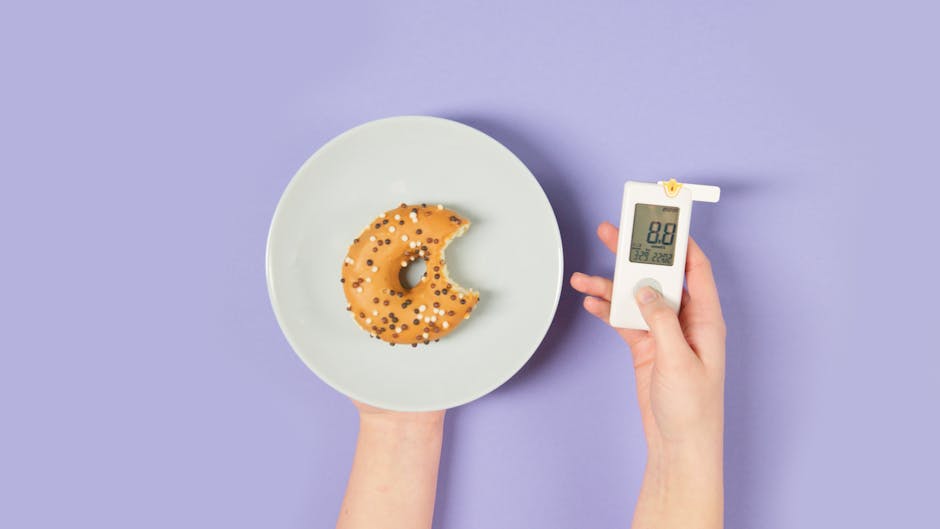
Photo: Pexels / Artem Podrez
Studies on meal sequencing suggest this one simple switch can meaningfully flatten after-meal blood sugar spikes.
Save the carbs for last, and your pancreas gets an easier shift — which means more stable energy for you throughout the day, avoiding those dreaded mid-afternoon crashes.
No new foods required, no special equipment. Just a different fork-order.
3. The After-Meal Walk: Why Timing Beats Intensity for Blood Glucose
✅ Key points
- Walk 15-30 minutes after eating.
- Gentle walk, 15-30 minutes.
- Three short strolls beat one intense.
You don't need a gym membership — you need a clock. A gentle 15-30 minute walk starting around 15-30 minutes after eating can help your muscles soak up glucose before it pools in your blood, helping you feel more energetic and mentally sharper without needing to push yourself hard.
The common myth is that one big workout fixes everything; the reality is that three short post-meal strolls often do more for daily blood glucose than a single intense session.
Photo: Unsplash / isens usa

Even a loop around your apartment hallway or a slow walk to the mailbox and back counts.
This is one of the most underrated tools in any diabetes diet plan for seniors — free, joint-friendly, and immediately effective.
4. Building a Blood-Sugar-Friendly Plate: A Smarter Diabetes Diet After 50
✅ Key points
- Aim for half non-starchy vegetables.
- Quarter lean protein.
- Quarter slow-release carbs.
Tired of feeling like you have to banish every carb to manage blood sugar?
That myth leaves many seniors weak, hungry, and frustrated — and it's simply not supported by how blood glucose actually works.
A smarter diabetes diet after 50 leans on slow carbs like beans, oats, and whole grains, pairs them with lean protein, and focuses on portion awareness rather than chasing 'zero sugar.'
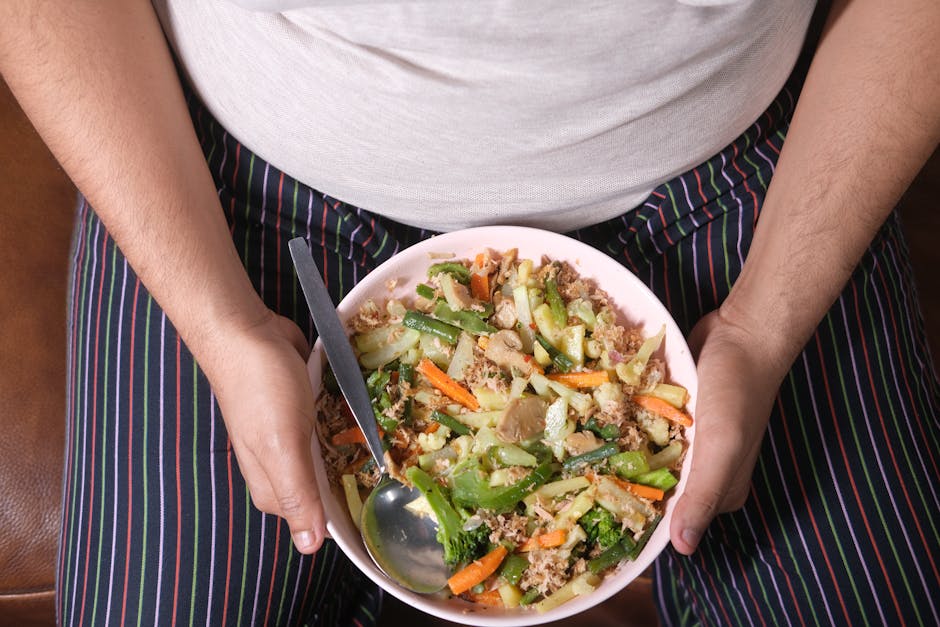
Photo: Pexels / Towfiqu barbhuiya
Here's a practical plate picture: aim for half non-starchy vegetables, a quarter lean protein like chicken or fish, and a quarter slow-release carbs such as lentils or rolled oats.
Foods to genuinely watch include sugary drinks, white bread, and fruit juice — they spike blood glucose fast with little staying power.
Think steady fuel, not a roller coaster. Small, consistent shifts here deliver far more long-term benefit than any dramatic elimination diet.
5. Easy Ways to Check Blood Sugar at Home (No Guesswork)
✅ Key points
- Use basic glucose monitor.
- Look for large, easy display.
- CGMs track blood sugar constantly.
Checking your blood glucose at home is far simpler than it used to be, and it transforms vague worry into genuinely useful information.
A basic glucose monitor with a large, easy-to-read display, minimal blood sample size, and easy-grip strips works well for most seniors.
Continuous glucose monitors (CGMs), which track blood sugar throughout the day without repeated finger pricks and often connect to a smartphone app for clear trend-reading, are now a real option worth asking your doctor about.
Photo: Unsplash / Louis Hansel

The key habit: test fasting in the morning and again two hours after a meal to reveal your actual blood glucose patterns.
Here's what trips most people up — testing at random times tells you very little.
Consistency is where the insight hides, and insight is what turns blood sugar management from guesswork into confidence.
When to see a doctor
- Frequent thirst, blurred vision, or needing to urinate often
- Tingling or numbness in your hands or feet
- Unexplained weight loss or constant fatigue
- Home readings repeatedly above 180 mg/dL after meals
Wrap-up
You don't need a perfect diet or punishing workouts — just a few smart, repeatable moves.
Try the food-order switch, take that easy after-meal walk, and learn your own numbers.
The payoff: steadier energy, fewer spikes, and more control over your day-to-day health.
Summary: this guide shows how seniors can manage blood sugar after 50 with food order, after-meal walks, A1C basics, a blood-sugar-friendly diabetes diet, and simple home checks. Why wait?
Start with your very next meal — then bring your readings to your next checkup and let your doctor help you fine-tune the plan.
✅ Your checklist for today
☐ Eat veggies and protein before your carbs at one meal today
☐ Take a 15-minute walk 20 minutes after dinner
☐ Swap one sugary drink for water or unsweetened tea
☐ Check your fasting blood sugar tomorrow morning
☐ Write down your numbers to share with your doctor
Frequently asked questions
Q. How can I lower my blood sugar naturally after 50?
A. Small, steady habits help most: eat veggies and protein before carbs, take short after-meal walks, choose slow carbs, and stay consistent.
These may help support healthy blood sugar levels, but always coordinate changes with your doctor, especially if you take medication.
Q. Does an after-meal walk really make a difference for blood glucose?
A. It can. A 15-30 minute walk soon after eating helps your muscles use glucose, which may soften after-meal spikes.
Several short walks often help daily blood glucose more than one long workout.
Q. Are diabetes medications safe for older adults?
A. Many are widely used and effective, but some can cause low blood sugar or other side effects in seniors.
Never stop or change a dose on your own — talk with your doctor about the right balance for your age and health.
If this was helpful, please follow and share . Questions? Leave a comment below!
Helpful products
These items may be helpful in daily life; individual results may vary.
Blood glucose monitor on Amazon › Diabetic socks on Amazon › Glucose test strips on Amazon ›As an Amazon Associate, I earn from qualifying purchases.
#BloodSugarManagement #SeniorHealthTips #DiabetesPrevention #HealthyAging #GlucoseControl #BloodSugarControl #A1C #AfterMealWalk
🔗 You may also like
• Lower Blood Sugar: The 'Food Order' and 15-Minute Walk Seniors Miss• Lower Blood Pressure: 5 Daily Habits Seniors Often Overlook• Food Poisoning in Summer: 5 Mistakes Seniors Make Without Knowing📚 Trusted sources to learn more
For more, see trusted sources such as the CDC and the American Diabetes Association.
📝 About this article
'ReyB Health Notes' explains trusted public health information in plain language for older adults (50s–70s). (Reviewed June 2026)
This article is general health information and is not a substitute for diagnosis or treatment. If you have symptoms or concerns, please consult a medical professional.
Comments
Post a Comment