Intermittent Fasting for Heart: Seniors Cut Stroke Risk 15% Safely (New Research)
Key Takeaways
- The Science Behind It: How Intermittent Fasting Protects Your Aging Heart and Lowers Stroke Risk
- What Is a Safe Intermittent Fasting Schedule for Seniors? (Quick Tip: If dinner ends by 7 p.m., your 12-hour window means breakfast after 7 a.m.)
- Can Seniors With High Blood Pressure Safely Try Intermittent Fasting?

It's 6 a.m. The blood pressure cuff sits on your nightstand, and you wonder if there's a simpler way to protect your heart than swallowing another pill.
Here's the good news: intermittent fasting for seniors — done safely — may help lower stroke risk by around 15%, according to growing cardiovascular research.
Not by starving. By changing WHEN you eat. Stick with me, because the one crucial timing detail — the very mistake most seniors unknowingly make — is waiting near the end.
It's the difference between truly helping your heart and quietly setting it back.
Contents
1. The Science Behind It: How Intermittent Fasting Protects Your Aging Heart and Lowers Stroke Risk
✅ Key points
- Lowers blood pressure
- Improves blood sugar
- Reduces artery inflammation
What if a simple eating pattern could meaningfully safeguard your aging heart — no prescriptions, no gym membership required?
When you go 12-14 hours without food, insulin levels drop, your body burns stored fat, and arterial inflammation quietly decreases.
That chain reaction improves the three biggest drivers of stroke: blood pressure, blood sugar, and LDL cholesterol.
It is exactly why researchers link intermittent fasting for heart health to roughly a 15% lower stroke risk in certain groups — a number worth paying attention to.
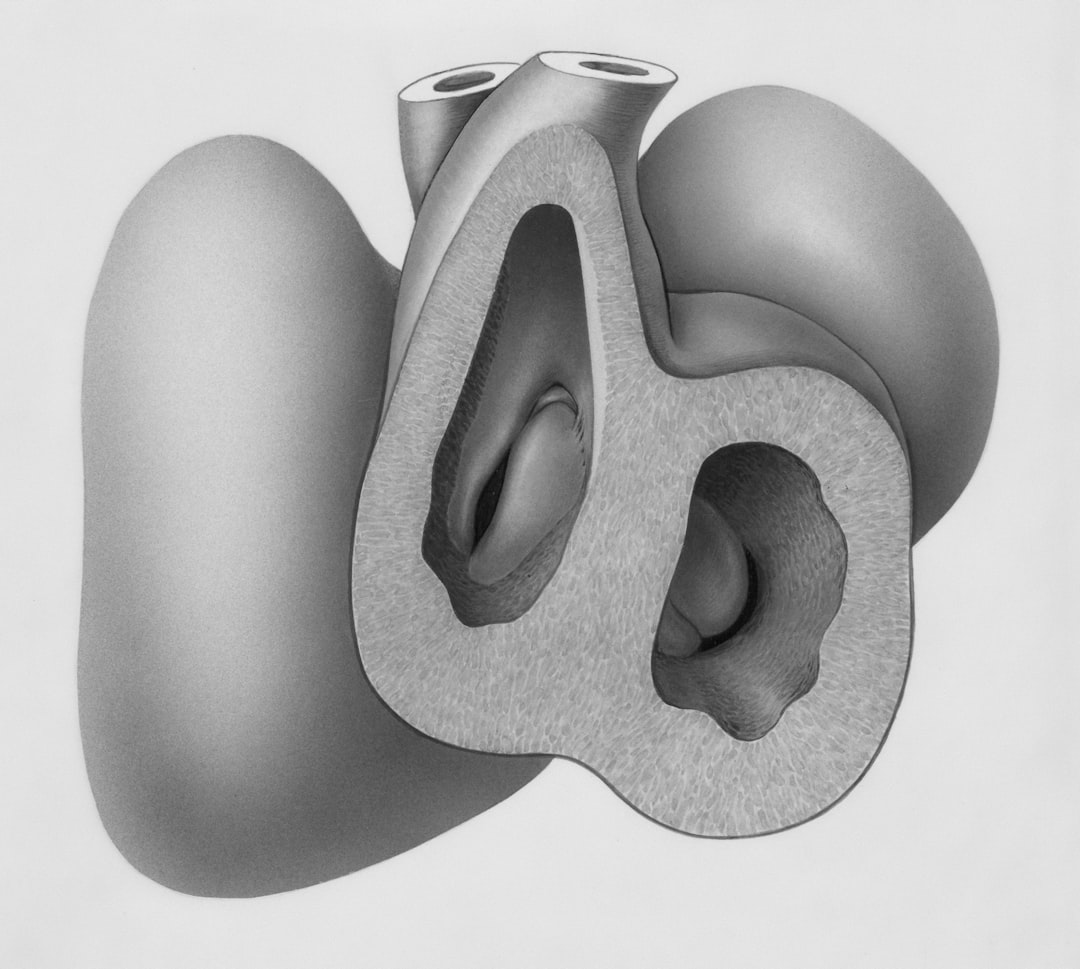
Photo: Unsplash / Europeana
Studies on time-restricted eating show modest but real drops in blood pressure averaging 5-10 mmHg and LDL reductions of 10-15%, making this one of the most accessible tools seniors have for protecting their hearts.
💡 Quick Power Tip: You do not need to overhaul your life overnight — a consistent 12-hour window is already working for your heart.
2. What Is a Safe Intermittent Fasting Schedule for Seniors? (Quick Tip: If dinner ends by 7 p.m., your 12-hour window means breakfast after 7 a.m.)
✅ Key points
- Start with 12:12
- Finish dinner by 7pm
- Skip extreme fasting
The safest starting point for most older adults is a gentle 12:12 — eat within a 12-hour window, fast the remaining 12.
That translates to something as manageable as finishing dinner by 7 p.m.
and sitting down to breakfast at 7 a.m. Only after your body adjusts comfortably over several weeks should you consider stretching to 14:10.
Photo: Pexels / Pavel Danilyuk
Aggressive plans like 16:8 or 20:4 are generally too demanding for seniors and carry real risks of dizziness, fatigue, and muscle loss — not worth the trade-off.
💡 Power Tip: Track your first week with a simple notebook.
Seniors who log their schedule stick with it far longer than those who guess.
Consult with your doctor to confirm which window suits your specific health picture and start lowering your stroke risk on your own terms.
3. Can Seniors With High Blood Pressure Safely Try Intermittent Fasting?
✅ Key points
- Ask doctor first
- Watch medication timing
- Never skip prescriptions
Often yes — but **only with your doctor's explicit sign-off**, especially if you currently take blood pressure or diabetes medication.
Here is why that matters: intermittent fasting for heart health can lower blood pressure further, and when that combines with medication already working to drop it, the result can leave you dangerously lightheaded or unsteady on your feet.
Timing is everything. Your doctor may simply adjust when you take your pills so they do not peak on an empty stomach — a small tweak that makes fasting far safer.

Photo: Unsplash / Tamanna Rumee
**NEVER stop or skip prescribed medication in order to fast.** That single rule protects everything else on this list.
Discuss your personal medication schedule before your first fasting day, not after.
4. What Should You Actually Eat in Your Eating Window? Simple Meals for Older Adults
✅ Key points
- Mediterranean-style plate
- Protein every meal
- Cut salt and sugar
Here is a myth worth busting right now: fasting is not a license to eat anything you want once the window opens.
Piling on salt, sugar, and processed food during those hours cancels out every blood pressure and cholesterol benefit intermittent fasting delivers — completely.
Fill your plate with a Mediterranean-style spread: colorful vegetables, olive oil, fatty fish, beans, and whole grains.
These are the foods that genuinely move the needle on stroke risk.
Photo: Pexels / Marta Branco
As we age, our bodies naturally shed muscle mass, so protein deserves special attention at every single meal.
💪 Muscle Power Tip: Aim for a palm-sized portion of lean protein — eggs, fish, legumes, or Greek yogurt — at breakfast, lunch, and dinner.
Seniors who protect their muscle protect their independence.
5. The One Timing Detail Most Seniors Get Wrong
✅ Key points
- Earlier window wins
- Stop eating 3h pre-bed
- Match your body clock
Here is the twist most seniors never hear: WHEN your eating window falls matters just as much as how long it lasts — and earlier wins every time.
Eating your last meal too close to bedtime quietly raises blood sugar and blood pressure while you sleep, which may steadily increase stroke risk even if your fasting hours look perfect on paper.
Research on time-restricted eating consistently suggests an earlier window — think 8 a.m. to 6 p.m.— works powerfully with your body's natural clock in ways a late window simply cannot replicate.
The fix is straightforward: place your final bite at least 3 hours before bed and let your body do its overnight repair work undisturbed.
🕐 Tonight's Action: Move dinner 30 minutes earlier this week. One small shift can meaningfully support your heart health journey.
**Your Senior Intermittent Fasting for Heart Health Checklist Before You Start:** 1. Talk to your doctor — non-negotiable.

Photo: Pexels / Los Muertos Crew
2. Begin gently with 12:12.
3. Fill your window with whole, heart-smart foods and prioritize protein.
4. Confirm your medication timing with your care team.
5. Eat earlier in the day and finish at least 3 hours before bed.
Ready to take the next step? Share this guide with a loved one who could benefit — and always bring your doctor into the conversation first.
When to see a doctor
- Dizziness, fainting, or unusual weakness during fasting hours
- Blood pressure readings that swing very high or drop too low
- Chest pain, sudden numbness, slurred speech, or facial drooping (call emergency now)
- Unplanned weight or muscle loss over a few weeks
Wrap-up
You don't need a drastic diet to protect your heart — just a smarter clock.
Intermittent fasting for seniors, especially with an earlier 12:12 window, may help lower stroke risk by around 15% while keeping meals enjoyable and safe.
One thing to do today: pick your dinner cutoff time and set a phone reminder or write it on the fridge.
Then talk with your doctor before you begin — because the safest heart plan is always the one built for your body.
✅ Your checklist for today
☐ Set a 12-hour eating window (e.g. 7am-7pm)
☐ Finish your last meal 3 hours before bed
☐ Add protein and vegetables to every meal
☐ Book a quick check-in with your doctor before starting
☐ Keep water handy during fasting hours to stay hydrated
Frequently asked questions
Q. Can seniors safely do intermittent fasting to reduce heart attack and stroke risk?
A. Many can, especially with a gentle 12:12 schedule and a doctor's okay.
If you take blood pressure or diabetes medication, medical guidance is essential to avoid readings dropping too low.
Q. Will I lose muscle if I fast at my age?
A. You can if protein is too low. Keep the fasting window modest (12-14 hours), eat enough protein daily, and stay active to protect muscle as you age.
Q. Is coffee or tea allowed during the fasting window?
A. Plain black coffee, unsweetened tea, and water are generally fine and won't break the fast.
Skip cream, sugar, and sweetened drinks, which can undo the benefits.
If this was helpful, please follow and share. Questions? Leave a comment below!
Helpful products
These items may be helpful in daily life; individual results may vary.
Intermittent Fasting for Heart: How Seniors Can Lower Stroke Risk by 15% Safely (New Research) on Amazon ›As an Amazon Associate, I earn from qualifying purchases.
#IntermittentFasting #SeniorHealth #HeartHealth #StrokePrevention #HealthyAging #FastingBenefits #TimeRestrictedEating #CardiovascularHealth
🔗 You may also like
• Sleep Blood Pressure: The Hidden Heart Risk 60% of Seniors Ignore (Why Night Readings Matter More)• Foods That Lower Blood Pressure: 5 Simple Swaps You'll Wish You Knew Sooner• Foods That Lower Cholesterol: 5 Smart Picks After 50🌐 ReyB Network
▶ Watch more senior-health videos on ReyB Health Lab YouTube.
🔗 All links & recommended products📚 Trusted sources to learn more
For more, see trusted sources such as the CDC and the Mayo Clinic.
📝 About this article
'ReyB Health Notes' explains trusted public health information in plain language for seniors. (Reviewed July 2026)
This article is general health information and is not a substitute for diagnosis or treatment. If you have symptoms or concerns, please consult a medical professional.
Comments
Post a Comment