Foods That Lower Blood Pressure: 5 Simple Swaps You'll Wish You Knew Sooner
💡 Key Takeaways
- Potassium-rich foods effectively flush sodium, lowering blood pressure fast.
- Most sodium causing high BP comes from packaged and restaurant foods.
- DASH diet plus post-meal walk significantly lowers blood pressure and sugar.

If your home blood pressure cuff keeps flashing numbers higher than you'd like, you're not imagining the worry.
Here's the good news up front: certain foods that lower blood pressure naturally can nudge those readings down over weeks, mostly by helping your body shed extra sodium.
Ready to take back control? What you eat today can make a difference.
The DASH diet, studied for decades, has been shown to lower systolic pressure by 5 to 10 points in many people within a couple of weeks.
Imagine trading that daily cuff anxiety for a renewed sense of calm and steadier mornings.
Stick with me to the end, because the single best timing trick most people skip is buried in section 4.
📑 Contents
1. Your Quickest Wins: Foods That Start Lowering Blood Pressure First
✅ Key points
- Potassium-rich foods are fastest ally.
- Eat 2-3 servings of potassium daily.
- Swap processed snacks for banana/yogurt.
Want to see your blood pressure numbers move in the right direction — without waiting months?
Here's what most people overlook: potassium-rich foods are often your fastest ally, because potassium signals your kidneys to flush out the excess sodium that pushes pressure up. Bananas, baked potatoes with the skin on, white beans, spinach, and yogurt are all potassium foods worth adding to your daily plate.
Aim for 2-3 servings of these potassium powerhouses every day — many people notice improved energy and overall well-being within those first few weeks.
Photo: Unsplash / Jonathan Kemper

No single food drops your numbers overnight, despite what some headlines promise.
But consistently loading your plate with these gives your body the mineral balance it has been quietly craving.
Your challenge this week: swap one processed snack for a banana or a small bowl of yogurt. Small shifts, real results.
💡 During pregnancy, always talk with your doctor before making dietary changes.
2. How Low-Sodium Foods Actually Help (The Science Made Simple)
✅ Key points
- Packaged foods are biggest sodium culprit.
- Less salt means less fluid, lower pressure.
- Limit sodium to 1,500–2,300 mg daily.
Think your salt shaker is the real problem?
It is probably not even close to the biggest culprit.
Most of the sodium driving your blood pressure up sneaks in from packaged bread, deli meats, canned soup, and restaurant meals — sources most people never suspect.
Here is why low-sodium foods matter so much: less salt means your body holds less fluid, which lowers the volume of blood pressing against your artery walls.
Aim to stay under 1,500–2,300 mg of sodium a day, and check labels for anything over 400 mg per serving.
Ready to take control? Start by checking labels on your next grocery run — your body will feel the difference.
And here is a myth worth dropping right now: 'sea salt' and 'pink Himalayan salt' are still sodium, with zero real blood-pressure advantage over ordinary table salt.
3. Which Heart-Healthy Foods Lower Blood Pressure AND Cholesterol?
✅ Key points
- Oats, fish, walnuts lower BP and cholesterol.
- Soluble fiber grabs cholesterol in gut.
- Omega-3 fats help blood vessels relax.
What if the same foods fighting your blood pressure were also quietly lowering your cholesterol at the same time?
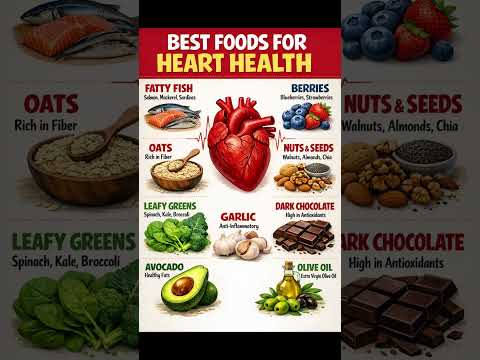
That is exactly what oats, fatty fish like salmon, walnuts, olive oil, and beans do — they pull double duty for your heart.
The soluble fiber in oats and beans physically grabs onto cholesterol in your gut before it reaches your bloodstream, while the omega-3 fats in fish help your blood vessels relax and stay flexible.
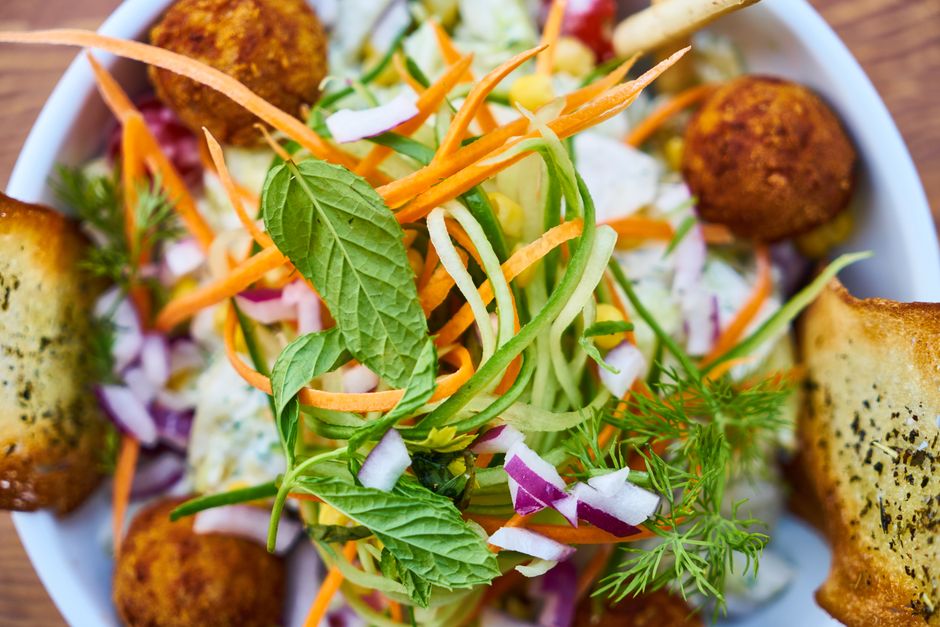
Photo: Pexels / Engin Akyurt
A realistic starting point: a small handful of unsalted walnuts and two fish meals a week.
These heart-healthy foods work together as a team, not as isolated miracle ingredients.
Your challenge this week: swap one processed snack for a handful of unsalted walnuts.
Build a plate you enjoy, not a rulebook you resent — that mindset is what makes the difference long-term.
4. The DASH Diet's Secret Weapon: The After-Meal Timing Trick Everyone Skips
✅ Key points
- DASH diet includes veggies, fruits, whole grains.
- Walk 15-30 minutes after largest meal.
- Spread potassium foods across all meals.
Most people have heard of the DASH diet — vegetables, fruit, whole grains, low-fat dairy, and lean protein, with sodium kept low.
But here is the part nearly everyone skips, and it may be the most powerful move of all: a 15–30 minute walk after your largest meal, paired with DASH-style eating, may help blunt the post-meal blood pressure and blood sugar spike far better than walking at random times throughout the day.
Photo: Unsplash / Sam Moghadam

This is not just about the numbers on a cuff — it is about reclaiming your post-meal energy and avoiding that heavy, sluggish feeling that can steal your afternoon.
Imagine feeling lighter and more focused every day after lunch.
One more DASH diet tip most people miss: spread your potassium foods across all three meals instead of cramming them into one sitting. Consistency beats intensity here, every single time.
5. Foods to Avoid With High Blood Pressure
✅ Key points
- Reduce processed meats, canned soups.
- Cut salty snacks, sugary drinks.
- Limit alcohol to one drink daily.
Ever notice your blood pressure numbers jump the morning after takeout?
That is almost always the sodium talking — and it is a reminder that cutting back on the wrong foods often matters just as much as adding the right ones.
Processed meats, canned soups, salty snacks, and sugary drinks are the usual suspects worth reducing first.
Alcohol is sneaky too: more than one drink a day can steadily push pressure higher over time, even if it does not feel that way in the moment.
If you are managing blood pressure during pregnancy, always talk with your doctor before making dietary changes or adjusting potassium intake.
Ready to take back control?
Start by scanning labels on your next grocery run and flagging anything over 400 mg of sodium per serving.
Your heart is keeping score — and every smart swap counts.
When to see a doctor
- A home reading of 180/120 or higher, especially with chest pain or trouble breathing
- Sudden severe headache, blurred vision, or confusion
- Numbers staying high despite weeks of diet changes and medication
- Dizziness, fainting, or a racing heartbeat that won't settle
Wrap-up
Discover the everyday foods that lower blood pressure naturally, from potassium foods to the DASH diet, plus a simple after-meal timing trick to help your heart.
Your mission today: just one potassium-rich food with your next meal and a 10-minute walk afterward.
These small, steady steps are your fastest path to lower numbers and a healthier heart, and your morning readings will thank you.
Talk with your doctor before making big changes, especially if you take medication.
✅ Your checklist for today
☐ Add one potassium food (banana, beans, or potato) to each meal today
☐ Swap canned soup or deli meat for a fresh low-sodium option
☐ Take a 15-minute walk after your biggest meal
☐ Read one food label and skip items over 400 mg sodium per serving
☐ Log your blood pressure at the same time each morning
Frequently asked questions
Q. Can foods lower blood pressure quickly or immediately?
A. Food works gradually, usually over a few weeks, not in minutes. Potassium-rich foods and a low-sodium pattern give the steadiest results.
There's no single food that drops pressure immediately, so don't stop prescribed medication without your doctor's okay.
Q. Do I have to follow the full DASH diet to see results?
A. No. Even small steps, like adding vegetables and cutting hidden salt, may help.
Many people start with one or two DASH habits and build from there.
The key is doing it consistently rather than perfectly.
Q. Are bananas and other potassium foods really enough to control high blood pressure?
A. Bananas are a handy potassium source, but they're one piece of the puzzle.
Variety matters more, so mix in beans, leafy greens, yogurt, and fish.
Always pair food changes with regular monitoring and your doctor's guidance.
If this was helpful, please follow and share . Questions? Leave a comment below!
Helpful products
These items may be helpful in daily life; individual results may vary.
Blood pressure monitor on Amazon › Low sodium seasoning on Amazon › Potassium supplement on Amazon ›As an Amazon Associate, I earn from qualifying purchases.
#loweringbloodpressure #highbloodpressure #bloodpressurecontrol #healthydiet #hypertension #hearthealth #DASHdiet #potassiumfoods
🔗 You may also like
• Winter Heart & Blood Pressure: 5 Habits to Protect Your Vessels• Lower Blood Pressure: 5 Daily Habits Seniors Often Overlook• Blood Pressure: 5 Everyday Habits That May Keep Your Numbers in Check📚 Trusted sources to learn more
For more, see trusted sources such as the CDC and the Mayo Clinic.
📝 About this article
'ReyB Health Notes' explains trusted public health information in plain language for seniors. (Reviewed June 2026)
This article is general health information and is not a substitute for diagnosis or treatment. If you have symptoms or concerns, please consult a medical professional.
Comments
Post a Comment