Brain Health After 50: 5 Evidence-Based Habits, the Best Foods, and What Supplements Can (and Can't) Do
Brain Health After 50: 5 Evidence-Based Habits, the Best Foods, and What Supplements Can (and Can't) Do
Key Takeaways
- Why Brain Health Changes After 50 — And What's Actually Normal
- Foods for Brain Health After 50: What to Actually Put on Your Plate
- Brain Health Supplements: Do They Actually Help?

You're in the middle of a conversation and the word just… vanishes. Or you walk into the kitchen and stand there for a moment, genuinely unsure why you came in. Sound familiar?
You're not alone — and more importantly, that doesn't automatically mean something is seriously wrong.
Brain health is one of the biggest concerns for adults over 50, and here's the encouraging part: daily habits, the right foods, and smart supplement choices may all play a real role in keeping your mind sharp.
By the end of this article, you'll have a clear, practical picture of what actually moves the needle on cognitive function — including a research-backed tip most people overlook entirely. (Hint: it has nothing to do with crossword puzzles.)
Contents
- Why Brain Health Changes After 50 — And What's Actually Normal
- Foods for Brain Health After 50: What to Actually Put on Your Plate
- Brain Health Supplements: Do They Actually Help?
- Exercise and Brain Health — Including the Timing Trick That Surprised Researchers
- Sleep, Stress, and Mental Health: The Most Underrated Brain Health Factors
1. Why Brain Health Changes After 50 — And What's Actually Normal
✅ Key points
- Normal vs. concerning changes
- Neurotransmitters slow after 50
- Stress mimics memory loss
Ever walk into a room and completely blank on why you went there? Or spend a frustrating moment searching for a name you know perfectly well?
Here's the truth most doctors don't lead with: **that's completely normal after 50, and it is NOT early dementia.**
Starting in our late 40s, the brain gradually produces less of certain neurotransmitters — the chemical messengers that drive focus, memory retrieval, and mental speed.
Think of it like a Wi-Fi signal that's still working fine but occasionally lags.
Slower word retrieval or needing a moment to recall a name? Normal.
Photo: Unsplash / Aakash Dhage

Repeatedly forgetting a close friend's name or getting lost in familiar places? That's worth a conversation with your doctor.
**The bottom line on 'senior moments': they usually mean you're stressed, overloaded, or not sleeping well enough — not that your brain is in decline.**
Prioritize sleep and stress management, and you may notice a real difference. Did this surprise you?
Share it with someone who needs to hear it!
🧠 **PRO TIP:** 'Senior moments' are most often a sign of stress or fatigue, not cognitive decline — your brain health may be just fine.
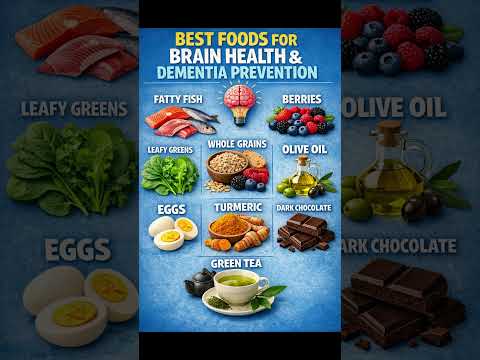
2. Foods for Brain Health After 50: What to Actually Put on Your Plate
✅ Key points
- Fatty fish twice weekly
- 1 oz walnuts daily
- Berries fight brain oxidation
Stop falling for 'superfood' hype — **the best foods for brain health after 50 are probably already in your grocery cart.**
Research consistently points to a Mediterranean-style eating pattern as one of the most effective dietary approaches for long-term cognitive function in older adults.
The real story isn't just 'eat fish.' It's about **omega-3 fatty acids — especially DHA** — found in fatty fish like salmon and sardines.
DHA is built directly into brain cell membranes and may actively support neuron communication.
**Aim for two servings of fatty fish per week.** On other days, a small handful of walnuts (about 1 oz) delivers plant-based omega-3s and antioxidants linked to memory support.
Here's the part most people miss: **deeply colored berries — blueberries, blackberries — contain flavonoids that may cross the blood-brain barrier and help reduce oxidative stress in brain tissue.**
You don't need a specialty health shop. The blueberries at any grocery store work just as well.

Photo: Pexels / ric perin
**The myth to correct: exotic or expensive superfoods are not required for strong brain health — consistency with everyday whole foods is what actually moves the needle.**
What's your go-to brain-friendly food? Tell us in the comments!
🧠 **PRO TIP:** Two servings of fatty fish a week plus a daily handful of berries is one of the simplest, most research-backed habits for brain health after 50.
3. Brain Health Supplements: Do They Actually Help?
✅ Key points
- B12 absorption drops after 50
- DHA supports neuron health
- Supplements complement diet
Brain health supplements are one of the fastest-growing categories in senior health — and the marketing can make it genuinely hard to separate real evidence from wishful thinking. So let's be direct.
**Some ingredients do have meaningful research behind them.**
Omega-3 fish oil (for DHA), B vitamins (especially B12, which many adults over 50 absorb far less efficiently from food alone), and phosphatidylserine have all been studied for cognitive support in older adults.
Results vary across studies, and no supplement has been proven to prevent Alzheimer's or dementia — full stop.
Photo: Unsplash / Haley Parson

Products like **Qunol Brain Health Memory Plus** bring several of these researched ingredients together in one formula, which many people find genuinely convenient.
That said, **always talk with your doctor before starting any brain health supplement**, particularly if you take blood thinners or other daily medications.
The most important thing to understand: **brain health supplements work best alongside a brain-healthy diet and lifestyle — not instead of one.**
And a higher price tag does not equal stronger cognitive benefits. **
The myth to correct: the most expensive brain health supplement on the shelf is not automatically the most effective one.**
🧠 **PRO TIP:** Before adding any brain health supplement to your routine, check with your doctor — and treat it as a complement to good food and sleep habits, never a replacement for them.
Helpful products
These items may be helpful in daily life; individual results may vary.
Brain health supplement on Amazon ›As an Amazon Associate, I earn from qualifying purchases.
4. Exercise and Brain Health — Including the Timing Trick That Surprised Researchers
✅ Key points
- 150 min/week aerobic goal
- Walk 15–30 min after meals
- Strength training boosts cognition
Everyone knows exercise is good for you, but here is what actually happens inside your brain when you move: aerobic activity — brisk walking, swimming, cycling — triggers the release of BDNF, a protein scientists sometimes call 'Miracle-Gro for the brain.'
BDNF supports the growth and maintenance of neurons, especially in the hippocampus, your brain's memory center.
This means sharper recall and quicker thinking are genuinely within reach.
The research-backed target is 150 minutes of moderate aerobic activity per week, broken into sessions of at least 20–30 minutes. But here is the part that surprises most people: timing matters.
A short 10-minute walk taken 15–30 minutes after a meal may help smooth out blood sugar spikes that temporarily cloud focus and mental clarity — a simple brain health habit that costs nothing.
Strength training twice a week rounds out the picture, with studies linking it to cognitive benefits well beyond the physical ones.

Photo: Pexels / Matheus Costa
For adults over 50 focused on long-term independence and senior health, this combination is one of the most powerful tools available.
Ready to give your brain's memory center a real boost?
Lace up and try that post-meal stroll today — your hippocampus will thank you.
🧠 **PRO TIP:** A 10-minute walk after meals is one of the easiest — and most overlooked — ways to support daily mental clarity and long-term brain health.
5. Sleep, Stress, and Mental Health: The Most Underrated Brain Health Factors
✅ Key points
- Sleep clears brain waste
- Cortisol shrinks memory center
- Consistent wake time matters
That frustrating 'brain fog' after a restless night?
It's often an early warning sign of the most underrated threat to brain health after 50 — and the reason is biological, not just tiredness.
Most people blame aging for fuzzy thinking, but the real culprit is frequently what happens — or fails to happen — during sleep.
During deep sleep, the brain runs its own waste-clearance system, called the glymphatic system: a nightly biological clean-up process that flushes out harmful metabolic byproducts, including proteins strongly associated with Alzheimer's risk.
Cutting sleep short by even 60–90 minutes on a regular basis may meaningfully reduce this protective process.
Chronic stress compounds the problem: persistently elevated cortisol is linked to measurable changes in the hippocampus, the brain's memory hub, making mental health management a direct brain health priority — not a luxury.
Photo: Unsplash / Christian Wiediger

The practical fix is not simply 'sleep more.' It means protecting a consistent 7–9 hour sleep window, keeping the same wake time even on weekends to anchor your body clock, and addressing anxiety or low mood proactively, since both are strongly connected to cognitive fog in older adults.
This is the brain health step most people scroll right past — yet the evidence suggests it may matter more than any supplement on the market.
🧠 **PRO TIP:** A consistent sleep schedule is your brain's most powerful nightly reset — protect it every night for the kind of lasting mental clarity no pill can replicate.
When to see a doctor
- You repeatedly forget the names of close friends or family members — not once, but as a pattern over weeks
- You get confused or disoriented in places you know well, like your own neighborhood or regular commute
- You notice significant personality or mood changes — unusual irritability, apathy, or anxiety that's new for you
- A family member or close friend mentions they've noticed changes in your memory or behavior that you haven't noticed yourself
Helpful products
These items may be helpful in daily life; individual results may vary.
Brain health for seniors on Amazon ›As an Amazon Associate, I earn from qualifying purchases.
Wrap-up
Here's the bottom line: brain health after 50 isn't about doing everything perfectly — it's about stacking small, evidence-informed habits that add up over time.
Eat more brain-friendly foods (especially fatty fish and berries), move your body for at least 150 minutes a week, protect your sleep as seriously as any medical appointment, and talk to your doctor about whether a brain health supplement makes sense for your situation.
Still have questions about supplements, early warning signs, or how quickly these habits may make a difference?
Check the common questions answered just below. Your next step today is simple: take a 10-minute walk after your next meal. It's free, it's immediate, and your brain will thank you for it.
Meta description: Dealing with brain fog or memory slips after 50? Discover what actually works — the best foods, supplements, exercise habits, and sleep strategies that may support memory and mental clarity, plus the research-backed tip most people overlook.
✅ Your checklist for today
☐ Add one serving of fatty fish or a small handful of walnuts to today's meals for a quick omega-3 boost
☐ Take a 10–15 minute walk after lunch — use it to stabilize blood sugar and clear your head
☐ Check your B12 intake: ask your doctor at your next visit if your levels are in a healthy range
☐ Set a consistent wake-up time for tomorrow and stick to it, even on the weekend — your brain's cleanup crew runs on schedule
☐ Write down three things you want to remember today — active recall is a genuinely effective brain exercise
Frequently asked questions
Q. Can brain health supplements like Qunol Brain Health Memory Plus really improve memory?
A. Some ingredients in brain health supplements — like DHA, B12, and phosphatidylserine — have been studied for cognitive support and may help fill nutritional gaps, especially in adults over 50 who absorb certain nutrients less efficiently.
However, no supplement is proven to prevent or reverse memory loss or dementia. They work best alongside a brain-healthy diet and regular exercise, not instead of them.
Always check with your doctor before starting one, particularly if you're on any medications.
Q. What are the early signs of poor brain health I should watch for?
A. Normal aging brings occasional slow word retrieval or brief forgetfulness — those aren't usually worrying on their own.
Signs worth taking seriously include repeatedly forgetting important information, getting disoriented in familiar places, trouble following conversations or managing everyday tasks, and mood or personality shifts that are new.
If you or someone close to you notices a pattern (not just a one-off), bring it up with your doctor sooner rather than later.
Q. How long does it take to see results from brain-healthy habits?
A. Some effects — like improved focus and mental clarity from better sleep or a post-meal walk — can show up within days.
Nutritional changes, like increasing omega-3 intake, may take 8–12 weeks to meaningfully build up in brain tissue.
Long-term protective effects from a Mediterranean-style diet or regular aerobic exercise develop over months to years.
Think of it less like flipping a switch and more like gradually improving your brain's baseline — consistency is what compounds.
If this was helpful, please follow and share. Questions? Leave a comment below!
#BrainHealth #HealthyBrain #CognitiveBoost #MemorySupport #BrainFood #MentalClarity #SeniorHealth #BrainHealthSupplements
🔗 You may also like
• Memory Slipping Lately? 5 Proven Ways Older Adults Sharpen It Fast• Overcoming Loneliness and Isolation: 5 Brain-Saving Connection Habits for Seniors• Memory Slips After 50? The Surprising Truth Behind Your Forgetfulness (and 5 Simple Fixes)🌐 ReyB Network
▶ Watch more senior-health videos on ReyB Health Lab YouTube.
🔗 All links & recommended products📚 Trusted sources to learn more
For more, see trusted sources such as the CDC and the Mayo Clinic.
📝 About this article
'ReyB Health Notes' explains trusted public health information in plain language for seniors. (Reviewed July 2026)
This article is general health information and is not a substitute for diagnosis or treatment. If you have symptoms or concerns, please consult a medical professional.
Comments
Post a Comment