Memory Slipping Lately? 5 Proven Ways Older Adults Sharpen It Fast
💡 Key Takeaways
- Everyday memory slips are often normal aging.
- Train memory with sleep, diet, and movement.
- Move 15-30 minutes after meals.

You walk into the kitchen and freeze — why did you come in here? You blank on a neighbor's name you've known for years.
Sound familiar? Take a breath.
Here's the reassuring truth: most everyday memory slips are normal aging, not early dementia. And here's the better news — memory and focus are trainable at any age.
Small daily habits, the kind you can start before lunch, may meaningfully boost cognitive function and protect your senior health.
Across these 5 simple steps for older adults, stick with me to the end — because the single most underrated memory tip (it has nothing to do with crossword puzzles) is waiting in section 4, and it takes less time than brewing your coffee.
📑 Contents
1. Why Am I So Forgetful Lately? Normal Aging vs. Real Worry
✅ Key points
- Most slips are normal aging.
- Details returning later is normal.
- Stress, sleep drain recall.
If you've been blanking on names or walking into a room and forgetting why, take a breath — you're almost certainly not 'losing your mind.'
For most older adults, memory works like a search engine on older hardware: the answer is in there, it just takes an extra moment to load.
Normal forgetting means misplacing your keys and finding them later; a genuine warning sign is forgetting what keys are for altogether.

Photo: Unsplash / Ian Wetherill
Here's the twist most people never hear: if the name or detail comes back to you later — even hours later — that's your brain working exactly as expected.
The real culprits stealing senior health and sharp memory aren't age alone.
Chronic stress, broken sleep, and juggling five tasks at once quietly drain your recall far more than years do.
Recognising that distinction is the first step from foggy to focused.
💡 A 20-minute nap before 3 PM can top up mental sharpness without disrupting night sleep.
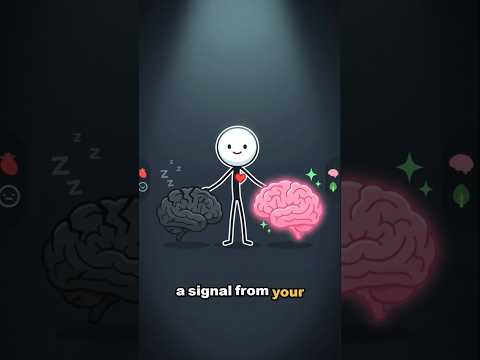
2. Sleep Timing: The Unexpected Lever That Sharpens Memory All Day
✅ Key points
- Deep sleep files memories.
- Aim 7-8 hours consistent sleep.
- Nightcaps block deep sleep.
Imagine waking up every morning feeling genuinely sharper — the secret may already be on your nightstand clock.
Deep sleep is the single most effective free memory tool available to older adults, because your brain physically files the day's experiences during slow-wave sleep, mostly in the first half of the night.
Miss that window and the memories simply don't stick.
Aim for a consistent 7–8 hours and go to bed at the same time each night, because your memory 'filing system' runs on a biological clock that rewards routine.
Photo: Pixabay / Smiln32
Now for the myth that surprises almost everyone: a nightcap before bed feels relaxing but actively blocks the deep-sleep stage that locks memories in place, leaving you foggy by morning.
One underrated shortcut for senior health: a 20-minute nap before 3 p.m. can top up mental sharpness without disrupting night sleep — go longer or later and it backfires.
Pick a consistent bedtime tonight and protect that first half of your night like the memory investment it truly is.
3. Foods to Boost Memory Power (and the Supplement Truth Nobody Tells You)
✅ Key points
- Eat Mediterranean style diet.
- Pair greens with olive oil.
- Supplements often add little.
Want to protect your brain and keep your memory sharp? It genuinely starts at the dinner table.
Research consistently links a Mediterranean-style eating pattern — oily fish, leafy greens, berries, olive oil, walnuts — to slower memory decline in older adults, driven by omega-3s and antioxidants that shield brain cells from everyday wear.
For the strongest signal, aim to eat fatty fish like salmon or sardines about twice a week.

Photo: Pexels / Kampus Production
Here's the order detail almost everyone skips: pair your leafy greens with a drizzle of olive oil, because the healthy fat helps your body absorb the brain-protective vitamins hiding in those leaves.
Now the supplement truth nobody tells you — if your diet already covers these whole foods, most memory pills add very little, and products marketed as 'miracle' brain supplements are largely selling hope, not results.
Go from struggling to sharp the straightforward way: build one Mediterranean meal into your week starting today and let real food do the work that no pill can reliably match.
4. The Surprising Memory Booster: Move 15-30 Min After Meals
✅ Key points
- Movement beats crosswords.
- Walk 15-30 mins after meals.
- Blunts blood-sugar spike.
Most older adults guess that puzzles are the top memory booster — here's what the research actually shows: physical movement may do more for your brain than any crossword ever will.
A brisk 15–30 minute walk pumps blood and oxygen directly to the hippocampus, your brain's memory hub, and even encourages new neural connections to form.
You don't need a gym membership; walking, dancing, or climbing stairs all count. If that feels like a big jump at first, even a steady 5–10 minute stroll is a real start — build from there.
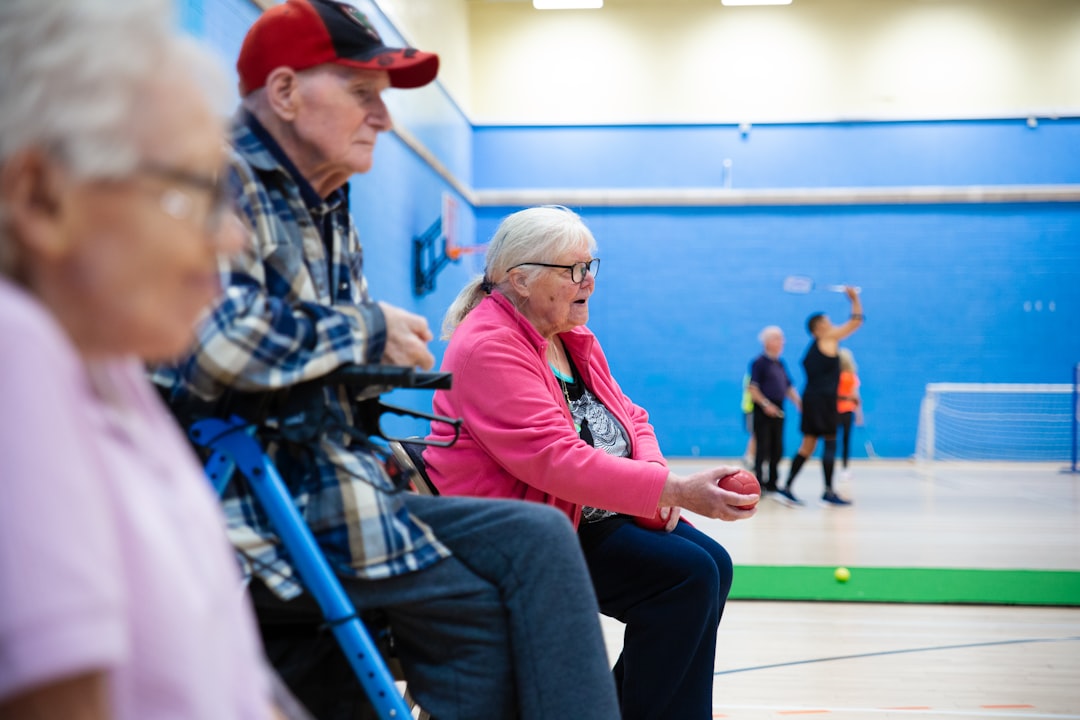
Photo: Unsplash / Centre for Ageing Better
Now for the timing twist that most people completely miss: moving right after a meal blunts the blood-sugar spike that typically follows eating, and that spike is a well-known driver of the post-lunch mental fog that steals your afternoon sharpness.
For older adults, pairing movement with meals is one of the most practical senior health habits that costs nothing and pays off immediately in clearer thinking.
Try a short walk after dinner tonight and notice the difference in how your evening feels.
5. The Simple Brain Games That Sharpen Senior Memory (Beyond Crosswords and Sudoku)
✅ Key points
- Explore new brain games.
- Sharpen memory beyond puzzles.
Here's a finding that surprises nearly every older adult: the crossword you've been doing for twenty years may be keeping your pencil sharp, but it's doing far less for your memory than you think.
The best memory exercises for older adults are the ones that feel genuinely unfamiliar — learning a new language, picking up an instrument, trying an unfamiliar card game — because novelty forces your brain to build fresh neural pathways instead of coasting on old ones.
Novelty is the real secret; difficulty is secondary. Layer in the 'name-and-link' trick: the next time you meet someone, say their name aloud and immediately connect it to a vivid mental image — that tiny habit dramatically improves recall for older adults.

Photo: Pixabay / geralt
And never underestimate conversation.
Staying social is a full-brain workout that engages memory, language, and emotion simultaneously — isolation quietly erodes the very mental sharpness these exercises are meant to build.
Pick one genuinely new activity this week, stick with it for seven days, and you may be surprised how quickly your brain responds to the challenge.
When to see a doctor
- Getting lost in familiar places or forgetting the way home
- Trouble with words, finishing sentences, or following conversations
- Memory problems that worsen quickly or interfere with daily tasks
- Lingering memory loss or brain fog after COVID or another illness
Wrap-up
Remember that surprising, underrated tip from section 4? Here's your one thing to do today: take a 15-30 minute walk after a meal — it's the easiest, most overlooked way to feed your memory, and it costs nothing but your shoes.
Commit to it once a day for the next two weeks and notice the difference.
Memory naturally shifts with age, but better sleep, brain-boosting foods, gentle movement, and fresh challenges may keep your mind sharp for years — and always talk with your doctor about any sudden changes.
You've got far more control over your brain health than you think. Start small, start today.
✅ Your checklist for today
☐ Set a fixed bedtime tonight and aim for 7-8 hours
☐ Take a 15-minute walk after one meal today
☐ Add leafy greens or berries with a little olive oil
☐ Learn or practice one new thing for 10 minutes
☐ Call or meet one person for a real conversation
Frequently asked questions
Q. Is memory loss after COVID permanent?
A. For most people, no. Post-COVID brain fog and memory loss often improve over weeks to months with rest, sleep, hydration, and gentle activity.
If it lingers or worsens, talk with your doctor to rule out other causes.
Q. What are the best brain supplements for memory in older adults?
A. There's no proven 'miracle' pill. A balanced diet rich in omega-3s usually beats supplements.
If you suspect a deficiency (like B12 or vitamin D), ask your doctor for a blood test rather than guessing.
Q. How do I tell normal forgetfulness from early dementia signs?
A. Normal aging means occasionally forgetting names but recalling them later.
Early dementia signs include getting lost in familiar areas, struggling with daily tasks, or repeating questions. When in doubt, see your doctor for a simple cognitive check.
If this was helpful, please follow and share . Questions? Leave a comment below!
Helpful products
These items may be helpful in daily life; individual results may vary.
Memory supplement on Amazon › Memory for seniors on Amazon ›As an Amazon Associate, I earn from qualifying purchases.
#memory #brainhealth #cognition #memoryloss #brainfog #mentalwellness #seniorhealth #olderadults
🔗 You may also like
• Cutting Back on Alcohol After 50: 5 Wins You'll Feel Fast (Not Quitting)• Is Your Spark Dimming? 5 Surprising Fixes for Coping With Depression in Older Age🌐 ReyB Network
▶ Watch more senior-health videos on ReyB Health Lab YouTube.
🔗 All links & recommended products📚 Trusted sources to learn more
For more, see trusted sources such as the CDC and the Mayo Clinic.
📝 About this article
'ReyB Health Notes' explains trusted public health information in plain language for seniors. (Reviewed June 2026)
This article is general health information and is not a substitute for diagnosis or treatment. If you have symptoms or concerns, please consult a medical professional.
Comments
Post a Comment