Overcoming Loneliness and Isolation: 5 Brain-Saving Connection Habits for Seniors
💡 Key Takeaways
- Strong social ties protect memory and brain health as we age.
- Loneliness is your brain demanding something it genuinely needs.
- Small, predictable daily contacts are more powerful than rare events.

Here's the takeaway first: overcoming loneliness and isolation isn't about being busier — it's about building a few real connections, and research suggests strong social ties may help protect memory and brain health as we age. Picture this.
You're in your city apartment. The neighbors come and go in the elevator, but nobody really talks.
The phone stays quiet. By evening, the silence feels loud.
If that hits close to home, you're not weak — you're human, and you're far from alone. Stick with me to the end, because the single best trick for coping with loneliness isn't a class or an app — it's a tiny timing detail that could change everything, and almost everyone misses it.
📑 Contents
1. Loneliness vs Isolation — And Why Your Brain Cares
✅ Key points
- Loneliness is ache for connection.
- Isolation is absence of contact.
- Chronic loneliness spikes stress hormones.
Loneliness is the painful ache for connection you don't have; isolation is the actual absence of contact — and here's the part that surprises most people: you can feel devastatingly lonely in a crowded room.
That distinction isn't just semantic — the effects of social isolation on mental health are measurable and serious.
Chronic loneliness is known to spike stress hormones and may be linked to faster memory decline.
Picture connection like daily exercise for your brain: every real conversation simultaneously lights up memory, attention, and mood circuits in ways scrolling or television simply cannot replicate.

Photo: Unsplash / Vitaly Gariev
Most importantly, feeling lonely is a signal, not a character flaw — exactly like hunger tells you to eat, loneliness is your brain demanding something it genuinely needs. Ignoring that signal has a cost.
Heeding it is where overcoming loneliness and isolation begins.
💡 Naming your feelings honestly, without shame, is the first move that actually works.
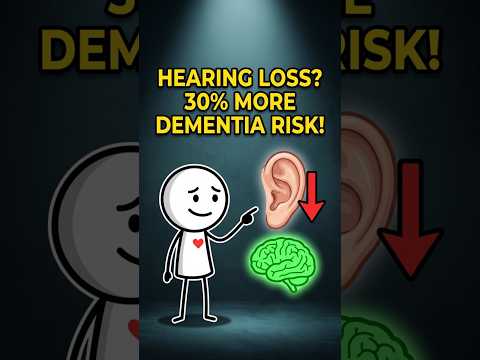
2. 4 Signs You Are Chronically Lonely (Easy to Overlook)
✅ Key points
- Dread weekends, free time.
- Scroll phone, feel emptier.
- Wake tired, low appetite.
Chronic loneliness rarely announces itself loudly. Watch for these four signs that quietly accumulate.
Sign 1: You dread weekends or unstructured free time in a way you can't fully explain.
Sign 2: You scroll your phone for hours yet feel emptier afterward — because passive consumption is not connection.

Photo: Pixabay / Ray_Shrewsberry
Sign 3: You wake up tired no matter how long you sleep, or notice your appetite has quietly shrunk.
Sign 4: You realise days have passed without a single real two-way conversation — not a text thread, not background TV, but someone genuinely listening back.
Many older adults quietly attribute these experiences to 'just getting older,' and that assumption costs years of unnecessary suffering.
Poor sleep, low appetite, fading interest in hobbies and relationships — these are recognised loneliness symptoms, not inevitable ageing.
Here's the twist that changes everything: naming what you're feeling honestly, without shame, is the first move that actually works.
Which of these four signs showed up for you just now?
3. 3 Simple Strategies for Overcoming Chronic Loneliness That Actually Stick
✅ Key points
- Aim for daily short contact.
- Build a 'connection anchor.'
- Deepen 2-3 close relationships.
Forget grand gestures. The three strategies that genuinely work for overcoming loneliness and isolation are smaller than you expect — and far more powerful.
Strategy 1: Aim for one short, predictable contact daily rather than one large social event monthly.
Your brain craves rhythm over size; a two-minute greeting repeated every morning rewires your stress response more reliably than a quarterly dinner party.
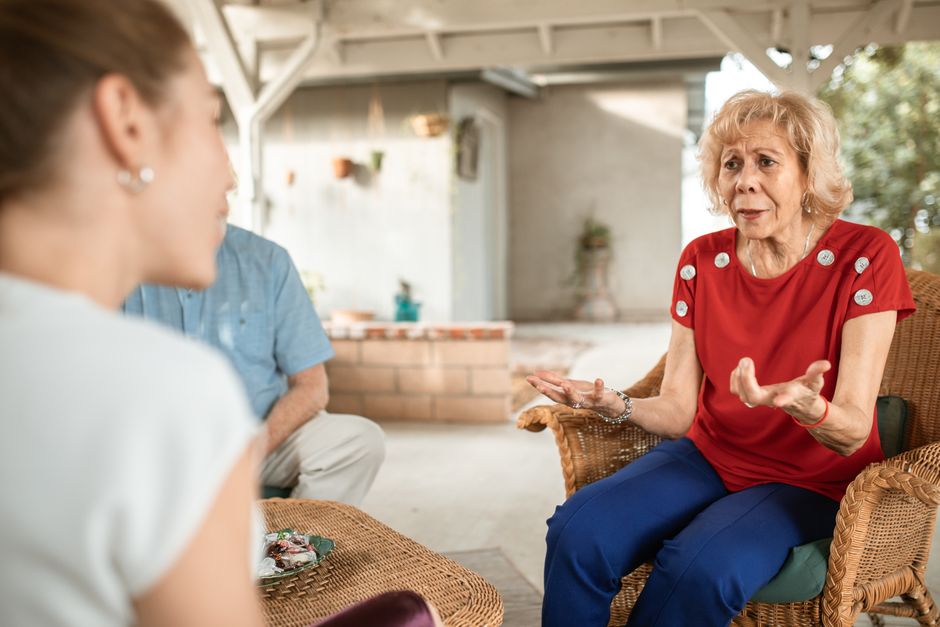
Photo: Pexels / RDNE Stock project
Strategy 2: Build a 'connection anchor' — a brief, recurring moment of human contact tied to something you already do.
A 9 a.m. coffee exchange with a familiar barista, a 10-minute evening call with a sibling — small, repeated micro-moments lower loneliness markers more consistently than rare reunions.
Strategy 3: Stop counting friends and start deepening the two or three relationships closest to you.
Research on human connection consistently shows that two or three genuinely close ties protect mental health and mood far more than a wide, shallow social network.
The myth that more friends equals less loneliness keeps too many people chasing quantity over quality.
Build your tiny, reliable circle first — then let it grow naturally.
Which connection anchor will you commit to this week?
4. Hobbies and Social Activity: How to Make Friends When You Feel Isolated
✅ Key points
- Choose recurring group hobbies.
- Shared activity eases conversation.
- Online groups are gentle bridge.
Think of someone who finally beat the silence of isolated evenings — not by forcing small talk at a one-off mixer, but by showing up to the same Tuesday walking group until familiar faces became something warmer.
That's exactly how the brain builds trust: repeated exposure to the same people signals 'safe and familiar,' gradually dissolving the social anxiety that isolation quietly grows.
To make real friends when you feel isolated, always choose a recurring group hobby over a single class or event.
Walking groups, library book clubs, community choirs, volunteer shifts — these work because shared activity gives your hands and eyes something to do, removing the pressure of forced conversation.
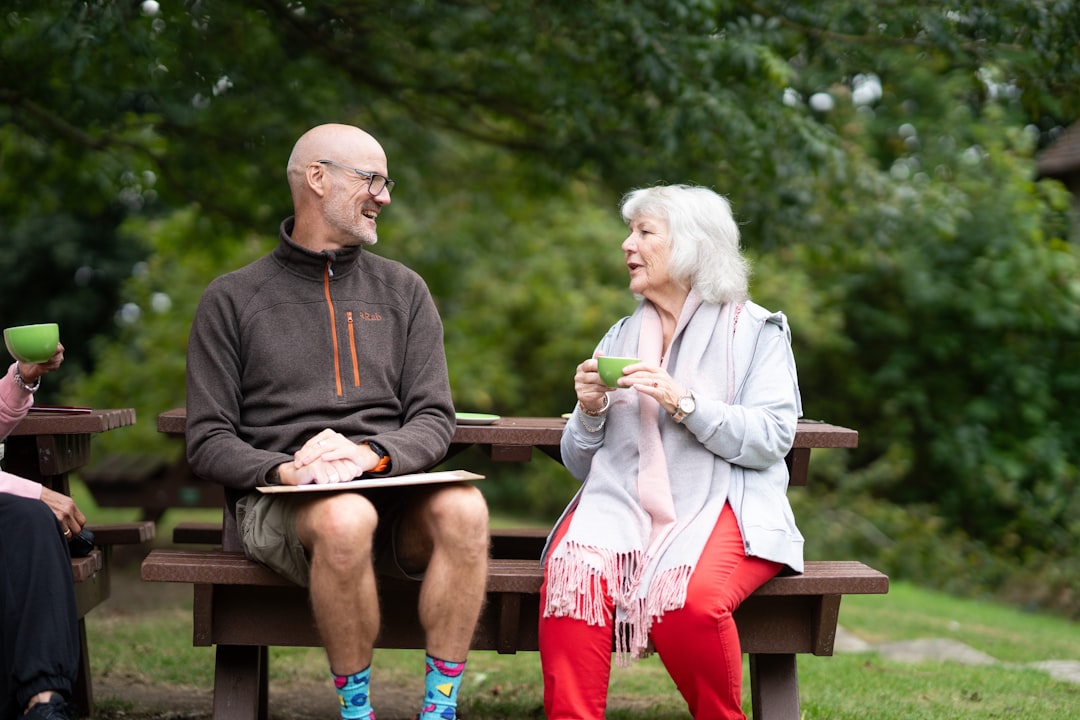
Photo: Unsplash / Centre for Ageing Better
Hobbies and social activity reinforce each other: the activity gets you there, the relationships keep you coming back.
If leaving home feels genuinely hard right now, video-call interest groups and senior community forums online are a legitimate, gentle starting bridge — not a lesser option, but a real first step.
The non-negotiable rule: pick something with a fixed weekly time so showing up becomes a habit, never a decision you have to remake from scratch.
5. The One Timing Trick Almost Everyone Misses
✅ Key points
- Focus on a timing trick.
- A tiny detail changes everything.
- This trick is often missed.
Here is the practical edge that separates people who intend to reconnect from those who actually do it: schedule your outreach immediately after a daily routine you never skip.
Call a friend during your after-lunch walk.
Text someone the moment you finish your morning coffee.
This principle — sometimes called 'habit stacking' — works because anchoring a new behaviour to an existing one eliminates the hardest part of overcoming loneliness and isolation: deciding to start.

Photo: Pixabay / Reubens_Stock_Photos
Set a recurring phone reminder with a specific name attached, and commit to reaching out first, even with something as simple as 'thinking of you today.'
Research on social connection consistently finds that most people are quietly waiting for exactly that message — they just won't send it either.
Loneliness thrives behind closed doors.
One small, well-timed knock — sent before you talk yourself out of it — opens them more often than you'd expect. Pick one strategy from these five sections and act on it today.
Your brain, your mood, and your relationships are all waiting on the other side of that single small move. Share this with someone who needs to hear it.
When to see a doctor
- Persistent sadness or hopelessness lasting more than two weeks
- Losing interest in food, sleep, or activities you once enjoyed
- Trouble with memory or thinking that worries you or family
- Any thoughts of self-harm or that life isn't worth living — seek help right away
Wrap-up
Lasting Connections for a Sharper Mind: You don't need a big social life — just a few real connections, started one small, well-timed step at a time.
Overcoming loneliness and isolation is a daily practice that may help protect your mood, your relationships, and even your brain as you age — and the door usually opens when you knock first.
Summary: Overcoming loneliness and isolation in seniors starts with small daily connections, recurring hobbies, and simple social apps — practical, brain-friendly ways to ease isolation and protect mental wellness.
(Talk with your doctor about ongoing low mood.) One brain-boosting step to take today: send a single message to someone you've been meaning to reach. Your memory and your mood will thank you.
✅ Your checklist for today
☐ Send one 'thinking of you' message before noon
☐ Set a fixed weekly time for one group hobby
☐ Greet one neighbor or shop worker by name today
☐ Schedule a 10-minute call right after lunch
☐ Download one social-connection app and join one group
Frequently asked questions
Q. What's the difference between loneliness and isolation?
A. Isolation is the physical lack of contact, while loneliness is the painful feeling of missing connection — you can feel lonely even in a busy city or crowd.
Both can affect mood and brain health, so it helps to address the feeling, not just the schedule.
Q. I have social anxiety — how do I start making friends?
A. Start with low-pressure, activity-based settings like a walking group or library club, where you focus on a shared task instead of conversation.
Repeated short exposures feel safer over time. If anxiety is severe, talk with your doctor, as gentle counseling may help.
Q. Can apps really help reduce loneliness for seniors?
A. Apps for video calls and interest-based groups can be a helpful bridge, especially on hard days at home.
They work best as a complement to in-person contact, not a full replacement. Pick one, keep it simple, and use it to set up real meetups when you can.
If this was helpful, please follow and share . Questions? Leave a comment below!
Helpful products
These items may be helpful in daily life; individual results may vary.
Hobby kit on Amazon › Board games on Amazon ›As an Amazon Associate, I earn from qualifying purchases.
#OvercomingLoneliness #SocialIsolation #MentalWellness #FindConnection #CommunitySupport #CopingWithLoneliness #BrainHealth #SeniorWellbeing
🔗 You may also like
• Habits to Protect Brain Health: 5 Daily Wins• Weight and Sleep After 60: The Surprising Food Connection Most Seniors Miss• Blood Sugar After 60: 5 Simple Habits That May Help You Feel Steady All Day🌐 ReyB Network
▶ Watch more senior-health videos on ReyB Health Lab YouTube.
🔗 All links & recommended products📚 Trusted sources to learn more
For more, see trusted sources such as the CDC and the Mayo Clinic.
📝 About this article
'ReyB Health Notes' explains trusted public health information in plain language for seniors. (Reviewed June 2026)
This article is general health information and is not a substitute for diagnosis or treatment. If you have symptoms or concerns, please consult a medical professional.
Comments
Post a Comment