Blood Sugar After 60: 5 Simple Habits That May Help You Feel Steady All Day
💡 Key Takeaways
- Aging bodies handle blood sugar differently.
- Modest weight loss improves insulin response.
- Small daily habits keep blood sugar steady.

It's 3 p.m. in your apartment, and after lunch with friends at the cafe downstairs, you suddenly feel sleepy, foggy, and a little shaky.
You wonder if it's just age older adns adults, these afternoon slumps can be tied to how the body handles blood sugar.
The good news?
A few gentle daily habits may help keep your levels steadier and your energy more even.
Here's a warm, plain-language guide made just for you.
📑 Contents
1. Why Blood Sugar Matters More as We Age
✅ Key points
- Body less sensitive to insulin.
- Sugar levels rise and fall.
- Can feel tired, foggy.
Blood sugar is the amount of glucose (sugar) traveling in your blood to fuel your body.
As we get older, the body can become less sensitive to insulin, the hormone that moves sugar out of the blood and into cells.

Photo: Pexels / cottonbro studio
This means levels may rise and fall more sharply, which can leave you tired, thirsty, or foggy.
Understanding this is the first step toward feeling more in control.
💡 Always go at a comfortable pace and stop if you feel dizzy.

2. The Weight Connection You Shouldn't Ignore
✅ Key points
- Extra weight hinders management.
- Modest weight loss helps.
- Improves insulin response.
Carrying extra weight, especially around the middle, can make it harder for your body to manage blood sugar well.

Photo: Pexels / cottonbro studio
The encouraging part is that even a modest loss of weight may help improve how your body responds to insulin.
You don't need a dramatic diet small, steady changes often work best for older adults.
Talk with your doctor before starting any new plan.
3. Eat in a Smarter Order
✅ Key points
- Start meals with veggies.
- Eat protein before carbs.
- Pair carbs with fiber.
What you eat matters, but so does the order you eat it.
Starting your meal with vegetables and protein before reaching for bread, rice, or noodles may help blunt the sharp rise in blood sugar afterward.

Photo: Pexels / alleksana
Pairing carbs with fiber, healthy fats, or protein can also smooth things out.
This simple tweak fits easily into restaurant meals and home cooking alike.
4. Move a Little After You Eat
✅ Key points
- Walk 10-15 minutes after meals.
- Muscles use blood sugar.
- Supports balance, joint health.
A gentle 10- to 15-minute walk after meals may help your muscles use up some of the sugar in your blood.

Photo: Pexels / Klaus Nielsen
You don't need a gym a stroll around the block or even pacing your hallway counts.
For older adults, light movement also supports balance and joint health.
Always go at a comfortable pace and stop if you feel dizzy.
5. Sleep and Stress Quietly Affect Your Numbers
✅ Key points
- Poor sleep raises blood sugar.
- Ongoing stress nudges sugar up.
- Calming bedtime routine helps.
Poor sleep and ongoing stress can raise stress hormones that nudge blood sugar upward.
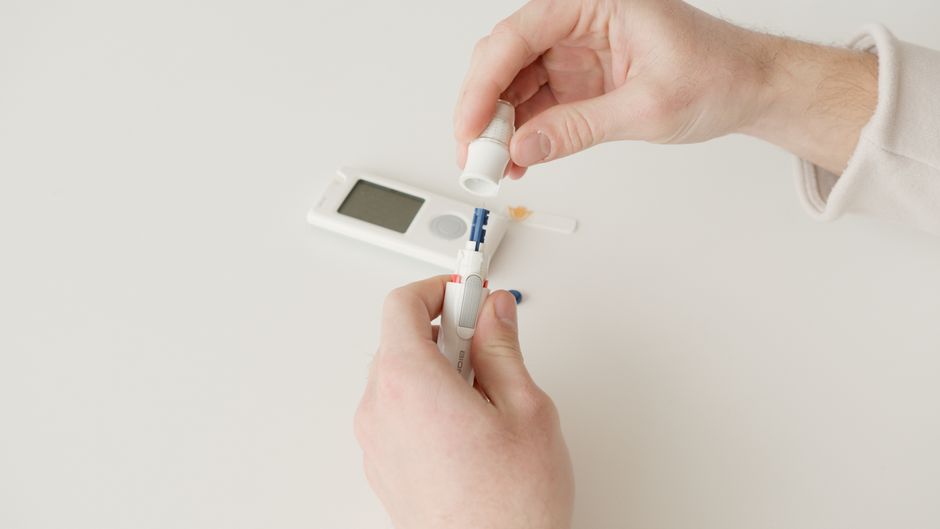
Photo: Pexels / Artem Podrez
Many older adults notice higher morning readings after a restless night.
Try a calming bedtime routine, limit late-night snacking, and give yourself time to relax in the evening.
Caring for your mind is part of caring for your blood sugar.
When to see a doctor
- You feel very thirsty and need to urinate often, especially at night
- Unexplained weight loss along with constant fatigue
- Frequent dizziness, shakiness, sweating, or confusion between meals
- Cuts or sores that heal slowly, or tingling in your hands and feet
Wrap-up
Managing blood sugar isn't about perfection it's about small, steady habits that fit your daily life in the city.
Try one tip today, be kind to yourself, and keep your doctor as your partner.
Your steady energy and peace of mind are worth it.
✅ Your checklist for today
☐ Start one meal today with veggies and protein first
☐ Take a 10-minute walk after lunch or dinner
☐ Swap one sugary drink for water or unsweetened tea
☐ Aim for a consistent bedtime tonight
☐ Check in with your doctor about your blood sugar numbers
Frequently asked questions
Q. What is a normal blood sugar level for older adults?
A. Targets can vary by person, but a common fasting goal is roughly 80-130 mg/dL, with individual ranges set by your doctor.
Older adults sometimes have slightly relaxed goals to avoid lows.
Always confirm your personal targets with your healthcare provider.
Q. Can I lower my blood sugar without medication?
A. For some people, healthy eating, regular movement, weight management, and good sleep may help improve blood sugar.
However, many people still need medication, and you should never stop or change prescriptions on your own.
Work with your doctor to find the right combination for you.
Q. Does eating fruit raise blood sugar too much?
A. Whole fruit contains fiber that slows sugar absorption, so it's usually a better choice than juice or sweets.
Enjoying moderate portions and pairing fruit with protein or nuts may help.
If you're unsure about amounts, ask your doctor or a dietitian.
If this was helpful, please follow and share . Questions? Leave a comment below!
Helpful products
These items may be helpful in daily life; individual results may vary.
Blood sugar supplement on Amazon › Blood sugar for seniors on Amazon ›As an Amazon Associate, I earn from qualifying purchases.
#bloodsugar #seniorhealth #olderadults #healthyaging #bloodsugarcontrol #weightmanagement #diabetesawareness #healthyhabits
📚 Trusted sources to learn more
For more, see trusted sources such as the CDC and the Mayo Clinic.
📝 About this article
'ReyB Health Notes' explains trusted public health information in plain language for older adults (50s–70s). (Reviewed June 2026)
This article is general health information and is not a substitute for diagnosis or treatment. If you have symptoms or concerns, please consult a medical professional.
Comments
Post a Comment