Habits to Protect Brain Health: 5 Daily Wins
💡 Key Takeaways
- Small, consistent habits protect brain health.
- Your brain stays adaptable into your 70s.
- Combine diet, sleep, learning, stress, and connection.

Here's the core takeaway first: small, consistent habits to protect brain health matter more than any single supplement or app.
Picture this — you're standing in your kitchen in a city apartment, kettle on, when you blank on why you walked in. Annoying, right?
Research suggests the brain stays adaptable into our 70s and beyond, a quality called neuroplasticity, which means the habits you start today may help support cognitive function and slow everyday memory slips.
These brain health tips aren't about doing more — they're about doing the right small things in the right order.
📑 Contents
1. Eat for Your Brain (Timing Beats Quantity)
✅ Key points
- Fill half plate leafy greens.
- Eat berries, fatty fish.
- Spread protein across meals.
Foods that boost brain health get all the headlines, but here's what most people miss: it's not just what you eat, it's the pattern.
Try filling half your plate with leafy greens, berries, and fatty fish like salmon a few times a week — these supply omega-3s and antioxidants that support the blood vessels feeding your brain.
Photo: Unsplash / Vitaly Gariev

Spreading protein across all three meals, rather than loading it at dinner, helps keep energy and focus steady through the day.
Myth check: no single 'superfood' or pill prevents dementia — brain health supplements for seniors may fill gaps like B12 or vitamin D, but talk with your doctor before adding them.
💡 Always talk with your doctor before changing or adding any supplements.
2. Sleep and Exercise: The Overnight Brain Wash
✅ Key points
- Aim 7-8 hours sleep.
- Keep steady wake-up time.
- Brisk 30-minute walk daily.
During deep sleep your brain runs a kind of overnight rinse cycle, clearing waste proteins that build up while you're awake — skimp on it and the gunk lingers.
Aim for 7-8 hours, and keep a steady wake-up time even on weekends, since your body clock craves rhythm more than length.

Photo: Pexels / Kampus Production
For exercises to improve brain function, a brisk 30-minute walk most days boosts blood flow and may support memory more than crossword puzzles alone.
Try walking 15-30 minutes after a meal — it steadies blood sugar and clears the head at the same time.
3. Keep Learning: Feed Your Neuroplasticity
✅ Key points
- Learn new, challenging skills.
- Try new language, instrument.
- Teach what you learn.
Reading the same crossword every morning is comfortable, but your brain grows from novelty, not repetition.
Activities to improve memory and concentration work best when they're a little hard — learning a new language app, an instrument, or a route home you've never taken.
Photo: Unsplash / Vitaly Gariev

Here's the non-obvious part: pairing learning with teaching it to someone else locks it in far better, because explaining forces your brain to organize the information.
Pick one new skill this month and give yourself permission to be a beginner.
4. Tame Stress Before It Tames Your Memory
✅ Key points
- Chronic stress shrinks hippocampus.
- Slow breathing calms nervous system.
- Breathe 5 mins before bed.
Chronic stress floods your body with cortisol, and over time high cortisol can shrink the hippocampus — the brain's memory hub.
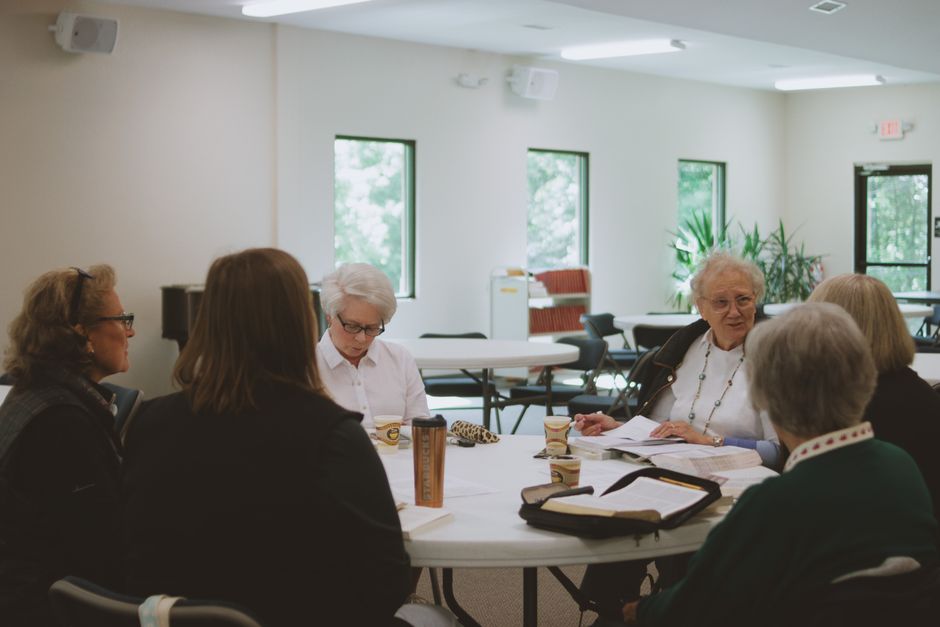
Photo: Pexels / Daniel & Hannah Snipes
The fix isn't 'just relax'; it's specific. Slow breathing at about six breaths per minute for five minutes signals your nervous system to stand down, and doing it before bed may improve sleep too.
Ever notice your worst forgetfulness hits on your most frazzled days?
That's not coincidence.
5. Stay Connected (Loneliness Is a Brain Risk)
✅ Key points
- Social connection prevents dementia.
- Meaningful conversations help.
- Schedule face-to-face chats.
Social connection is one of the most underrated dementia prevention methods — regular, meaningful conversation keeps multiple brain networks firing at once.
A phone call counts, but face-to-face or video chats give your brain richer signals to process.
Photo: Unsplash / Centre for Ageing Better

Schedule it like an appointment; spontaneity tends to fade as routines shrink.
Combine it with a walk and you've stacked three brain wins into one outing.
When to see a doctor
- Memory loss that disrupts daily tasks like paying bills or taking medication
- Getting lost in familiar places or repeatedly asking the same questions
- Sudden confusion, slurred speech, or weakness on one side (call emergency services)
- Mood, sleep, or personality changes that worry you or your family
Wrap-up
You don't need a total life overhaul — just a few honest, repeatable habits to protect brain health, layered into the day you already live.
Start with one walk, one new word, one good night's sleep, and let the rest follow.
Meta summary: These brain health tips for seniors cover nutrition, sleep, exercise, learning, stress, and connection to support cognitive function and may help prevent decline.
And remember — talk with your doctor about any concerns or before changing supplements.
✅ Your checklist for today
☐ Add berries or leafy greens to one meal today
☐ Take a 15-30 minute walk after eating
☐ Pick one new skill to start this week
☐ Do 5 minutes of slow breathing before bed
☐ Call or video chat one person you enjoy
Frequently asked questions
Q. Do brain health supplements really work for seniors?
A. Most healthy adults get what they need from food.
Supplements may help if you have a confirmed deficiency like B12 or vitamin D, but no pill is proven to prevent cognitive decline.
Ask your doctor before starting any, since some interact with medications.
Q. Are crossword puzzles enough to prevent memory loss?
A. They're good, but doing the same type over and over mostly sharpens that one skill.
For real cognitive function improvement, mix in novel challenges and pair them with exercise and social time, which support the brain more broadly.
Q. How fast can these habits make a difference?
A. Sleep and stress changes can sharpen focus within days.
Benefits from exercise, diet, and learning build over months.
The point isn't speed — it's consistency, since these are lifelong healthy aging strategies, not quick fixes.
If this was helpful, please follow and share . Questions? Leave a comment below!
Helpful products
These items may be helpful in daily life; individual results may vary.
Omega 3 fish oil on Amazon › Book stand on Amazon › Brain puzzle on Amazon ›As an Amazon Associate, I earn from qualifying purchases.
#BrainHealthMatters #HealthyAgingTips #CognitiveFunction #DementiaPrevention #MentalWellnessForSeniors #BrainHealthTips #MemoryAndConcentration #Neuroplasticity
🔗 You may also like
• Air Pollution & Senior Lungs: 5 Ways to Protect Your Breathing• Indoor Exercises at Home for Seniors: Rainy-Day Wins• Lower Blood Pressure: 5 Daily Habits Seniors Often Overlook📚 Trusted sources to learn more
For more, see trusted sources such as the CDC and the Mayo Clinic.
📝 About this article
'ReyB Health Notes' explains trusted public health information in plain language for older adults (50s–70s). (Reviewed June 2026)
This article is general health information and is not a substitute for diagnosis or treatment. If you have symptoms or concerns, please consult a medical professional.
Comments
Post a Comment