Weight and Sleep After 60: The Surprising Food Connection Most Seniors Miss
💡 Key Takeaways
- Food, sleep, and weight are deeply connected.
- Metabolism slows with age; small food choices help.
- Consistent routines, not crash diets, support weight.

You wake up at 5 a.m. in your city apartment, scroll your phone, and notice your favorite trousers feel a little snug again.
You eat carefully, you walk to the corner market most days, yet the scale won't budge.
What many older adults don't realize is that healthy weight isn't only about calories on a plate.
The food you eat and how well you sleep are deeply connected, and learning that link can make managing your weight feel far less frustrating.
📑 Contents
1. Why Weight Gets Harder to Manage As We Age
✅ Key points
- Body loses muscle after 50s.
- Metabolism naturally slows down.
- Small food choices make difference.
After our 50s, the body naturally loses muscle and our metabolism (the speed at which we burn energy) slows down.
This means the same meals that kept you steady at 45 may slowly add weight at 65.

Photo: Pexels / Alejandra Montenegro
The good news is that small, consistent food choices can make a real difference.
Talk with your doctor before any major diet change, especially if you take medications.
💡 Keep a glass of water nearby, since thirst is often mistaken for hunger.
2. The Sleep-Weight Link Few Seniors Know About
✅ Key points
- Poor sleep increases cravings.
- Raises hunger hormones.
- Aim 7-8 hours restful sleep.
Poor sleep can quietly push your weight up by raising hunger hormones and increasing cravings for sugary, fatty foods the next day.
Many older adults sleep lightly or wake often, which may make weight harder to control.

Photo: Pexels / Ahmed Fawzy
Aiming for 7 to 8 hours of restful sleep may support healthier eating habits.
If sleep troubles persist, it's worth mentioning to your doctor.
3. Foods That May Help Support a Healthy Weight
✅ Key points
- Protein-rich foods feel full.
- Fiber slows digestion.
- Pair protein and fiber.
Protein-rich foods like eggs, fish, beans, tofu, and yogurt help you feel full and protect aging muscle.
Fiber from vegetables, oats, and fruit slows digestion and steadies your appetite.
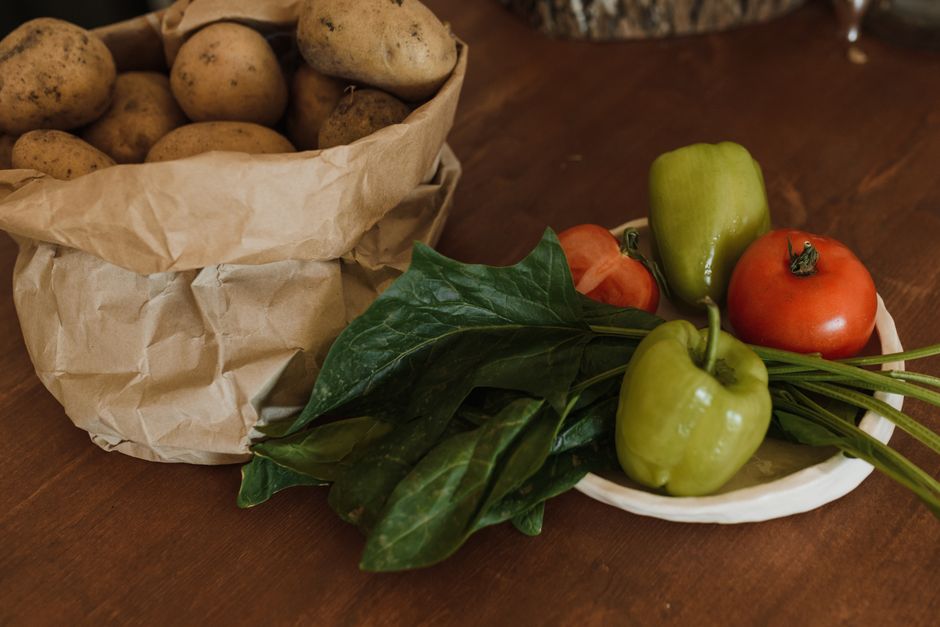
Photo: Pexels / Arina Krasnikova
Pairing these at each meal may help you eat less without feeling deprived.
There is no single 'magic food,' so focus on a balanced, colorful plate.
4. Evening Eating Habits That Protect Your Sleep
✅ Key points
- Finish dinner 2-3 hours pre-bed.
- Limit evening caffeine, alcohol.
- Light snack is gentler.
Heavy, late dinners can disturb sleep and may lead to nighttime indigestion or reflux.
Try finishing your main meal 2 to 3 hours before bed, and keep caffeine and alcohol modest in the evening.
Photo: Unsplash / Ella Olsson

A light snack like a small bowl of yogurt is usually gentler than a large, rich meal.
Better evening habits often improve both sleep and weight together.
5. Building a Simple Daily Routine That Sticks
✅ Key points
- Small routines, not crash diets.
- Combine meals, movement, bedtime.
- Drink water, avoid mistaken hunger.
Lasting weight management for seniors comes from small routines, not strict crash diets that can be unsafe at our age.
Combine regular meals, gentle daily movement like walking, and a consistent bedtime to support both your weight and your energy.
Photo: Pexels / Victor Freitas
Keep a glass of water nearby, since thirst is often mistaken for hunger.
Be patient with yourself, as steady habits matter more than fast results.
When to see a doctor
- Unexplained weight loss or gain without changing your eating
- Ongoing trouble sleeping or loud snoring with daytime fatigue
- Swelling in the legs along with sudden weight change
- Loss of appetite that lasts more than a week or two
Wrap-up
Managing your weight after 60 isn't about willpower or punishing yourself, it's about gentle, steady habits that fit your daily city life.
By pairing nourishing foods with better sleep, you may feel lighter, more rested, and more energetic.
Start with one small change today, and remember to talk with your doctor about what's right for you.
✅ Your checklist for today
☐ Add a protein source to breakfast
☐ Finish dinner 2-3 hours before bed
☐ Take a 15-minute walk after a meal
☐ Drink a glass of water before reaching for snacks
☐ Set a consistent bedtime tonight
Frequently asked questions
Q. Is it normal to gain weight even when I eat the same as before?
A. Yes, this is common because metabolism slows and muscle decreases with age.
Adding more protein and gentle activity may help.
If the change is sudden or large, check with your doctor.
Q. Can better sleep really help me manage my weight?
A. Sleep affects hunger hormones and cravings, so resting well may make healthy eating easier.
It's not a cure on its own, but it's an important piece.
Aim for 7-8 hours and address ongoing sleep problems with your doctor.
Q. Should seniors try strict diets to lose weight quickly?
A. Fast, strict diets can be risky for older adults and may cause muscle and nutrient loss.
Gradual changes with balanced meals are usually safer and more lasting.
Always discuss any major diet plan with your doctor first.
If this was helpful, please follow and share . Questions? Leave a comment below!
Helpful products
These items may be helpful in daily life; individual results may vary.
Weight supplement on Amazon › Weight for seniors on Amazon ›As an Amazon Associate, I earn from qualifying purchases.
#seniorhealth #weightmanagement #olderadults #healthyeating #sleepwell #nutritionafter60 #healthyaging #wellnesstips
📚 Trusted sources to learn more
For more, see trusted sources such as the CDC and the Mayo Clinic.
📝 About this article
'ReyB Health Notes' explains trusted public health information in plain language for older adults (50s–70s). (Reviewed June 2026)
This article is general health information and is not a substitute for diagnosis or treatment. If you have symptoms or concerns, please consult a medical professional.
Comments
Post a Comment