Winter Heart & Blood Pressure: 5 Habits to Protect Your Vessels
💡 Key Takeaways
- Rise slowly, stay warm, don't overexert in winter.
- Cold constricts vessels, raises blood pressure, strains heart.
- Chest pain requires immediate emergency services call.

Ever felt your head spin heading to the bathroom on a cold winter night?
Winter is the harshest season for blood pressure and the heart.
Cold makes vessels constrict, blood pressure rises, and the heart and brain take the strain.
That's why heart attacks and strokes cluster in winter — and especially in the morning.
Here are five non-obvious habits to protect your vessels and heart in the cold.
📑 Contents
1. Winter 'mornings' are the riskiest time for blood pressure
✅ Key points
- Delay early morning outings.
- Warm up in bed slowly.
- Drink warm water upon waking.
Blood pressure surges right after you wake, and adding cold on top puts heavy strain on vessels — which is why heart attacks and strokes cluster in the early hours.
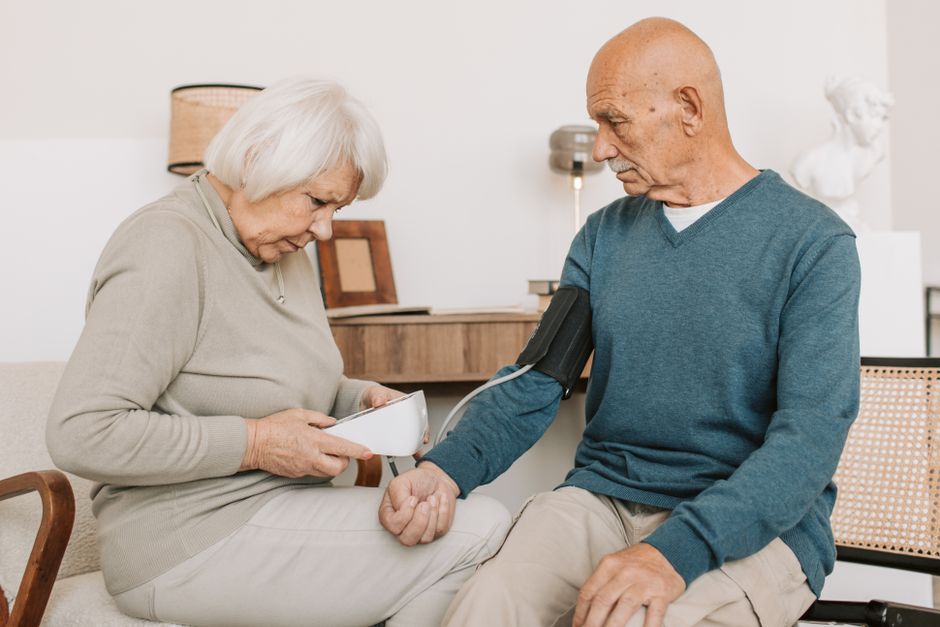
Photo: Pexels / Vlada Karpovich
Push morning walks and early outings to later, once the sun is up and it's warmer.
Don't bolt out of bed: move your hands and feet under the covers to warm up, drink a glass of warm water, then rise slowly.
💡 Warm up in bed and a glass of warm water.

2. Every 1°C drop nudges blood pressure up (the science of layering)
✅ Key points
- Wear hat, scarf, gloves.
- Use several thin layers.
- Regulate body temperature.
Cold is such an enemy of blood pressure that pressure tends to creep up as the temperature falls.
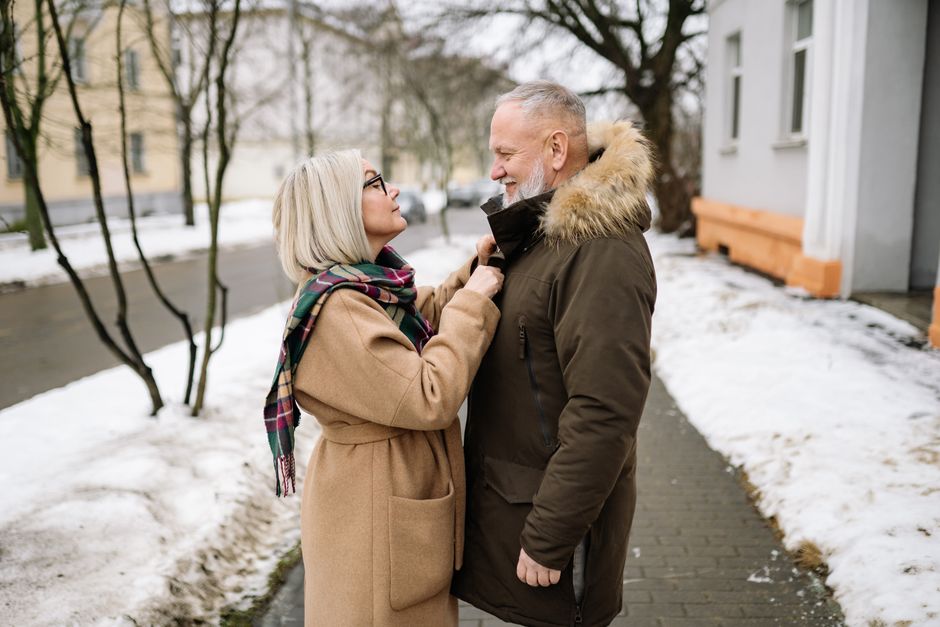
Photo: Pexels / Yan Krukau
Body heat escapes mostly through the head, neck, and hands/feet, so a hat, scarf, gloves, and warm socks steady your temperature and pressure.
Several thin layers beat one thick coat, letting you add or remove a layer as you move between indoors and out to reduce pressure swings.
3. Hot baths and cold-morning bathroom 'temperature gaps' swing pressure
✅ Key points
- Warm bathroom before use.
- Avoid very hot water.
- Manage constipation.
Going from a cold changing room into a hot tub swings blood pressure sharply (heat shock).
Warm the bathroom first, keep water not-too-hot, and skip hot-cold plunges.
Likewise, leaving a warm bed for a cold bathroom and straining on the toilet spikes pressure in the moment.
Warm the bathroom in winter, and manage constipation with water, vegetables, and fiber so you strain less.
4. Don't skip blood pressure pills; keep measuring and logging
✅ Key points
- Take pills consistently.
- Measure and log pressure.
- Consult doctor for changes.
Since winter pushes pressure up, take your pills at the same time without skipping.
Measure at home in the same conditions (morning, before pills, after a 5-minute rest) and log it to catch changes early.
If a reading is much higher or lower than usual, don't self-adjust — bring the log and talk to your doctor.
5. Don't overdo shoveling or heavy lifting (know the heart signals)
✅ Key points
- Split heavy lifting tasks.
- Rest often, go slowly.
- Know heart attack signals.
Shoveling snow or suddenly lifting something heavy in the cold strains the heart, so split the work, go slowly, and rest often.
If you feel a squeezing pain in the center of the chest that spreads to the arm or jaw, with cold sweat, it can be the start of a heart attack.
Don't wait it out — call emergency services immediately.
This is a time-critical emergency.
When to see a doctor
- Squeezing central chest pain that spreads to the arm or jaw (call emergency services)
- Sudden weakness on one side, slurred speech, or a drooping face (call emergency services)
- Cold sweat with severe shortness of breath and chest tightness
- A sudden severe headache with dizziness or loss of vision on one side
Wrap-up
Winter heart and blood pressure care is 'rise slowly in the morning, stay warm, and don't overexert.
' Start today with 'warm up in bed and a glass of warm water.'
Chest pain or one-sided weakness is time-critical — call emergency services without hesitation.
✅ Your checklist for today
☐ Delay morning walks/outings until after sunrise
☐ Warm up in bed, then a glass of warm water
☐ Hat, scarf, gloves for head/neck/hands outdoors
☐ Warm the bathroom; strain less on the toilet
☐ Don't skip pills; measure and log in the morning
Frequently asked questions
Q. I exercise at dawn in winter to stay healthy — is that okay?
A. Winter dawn is when blood pressure is highest and it's coldest, straining the heart. Wait until after sunrise and warm up well indoors first.
Q. My chest was tight for a moment, then fine — should I see a doctor?
A. If there was squeezing chest pain, spreading to arm or jaw, or cold sweat — even briefly — it may be a heart signal. Get checked even after it passes.
Q. My winter blood pressure went up — should I increase my pills?
A. Winter raises pressure, but self-adjusting is risky. Bring your home log and let your doctor decide on any change.
If this was helpful, please follow and share . Questions? Leave a comment below!
Helpful products
These items may be helpful in daily life; individual results may vary.
Blood pressure monitor on Amazon › Fleece scarf gloves set on Amazon › Thermal socks on Amazon ›As an Amazon Associate, I earn from qualifying purchases.
#bloodpressure #hearthealth #heartattack #strokeprevention #winterhealth #hypertension #seniorhealth #healthyaging
📚 Trusted sources to learn more
For more, see trusted sources such as the CDC and the American Heart Association.
📝 About this article
'ReyB Health Notes' explains trusted public health information in plain language for older adults (50s–70s). (Reviewed June 2026)
This article is general health information and is not a substitute for diagnosis or treatment. If you have symptoms or concerns, please consult a medical professional.
Comments
Post a Comment