Blood Pressure: 5 Everyday Habits That May Keep Your Numbers in Check
💡 Key Takeaways
- Small, steady daily changes improve blood pressure.
- Track numbers at home for a fuller picture.
- Low-salt diet and active lifestyle help heart health.

You wake up in your city apartment, brew a cup of coffee, and glance at the smartwatch on your wrist.
The numbers look a little higher than usual, and a small worry creeps in.
If you've ever felt that quiet jolt when your blood pressure reading surprises you, you're not alone.
The good news is that small, steady changes in your daily routine can make a real difference.
Let's walk through five simple habits, plus when it's time to call your doctor.
📑 Contents
1. Understand What Your Blood Pressure Numbers Really Mean
✅ Key points
- Learn systolic and diastolic numbers.
- Know your personal target range.
- 130/80 often considered high.
Blood pressure is shown as two numbers, like 120/80.
The top number (systolic) is the pressure when your heart beats, and the bottom number (diastolic) is the pressure when your heart rests between beats.
Photo: Unsplash / Mufid Majnun

Many doctors consider readings at or above 130/80 to be high blood pressure, also called hypertension, but your personal target may differ.
Knowing your own numbers helps you and your doctor make smart decisions together.
💡 Talk with your doctor before starting any new exercise routine.
2. Try a Low-Salt Diet Without Losing Flavor
✅ Key points
- Sodium raises blood pressure.
- Use herbs, lemon, garlic, pepper.
- Avoid packaged, restaurant, deli foods.
Too much sodium can make your body hold onto water, which may push your blood pressure up.
A low-salt diet doesn't mean bland meals, though, because herbs, lemon, garlic, and pepper add plenty of taste.
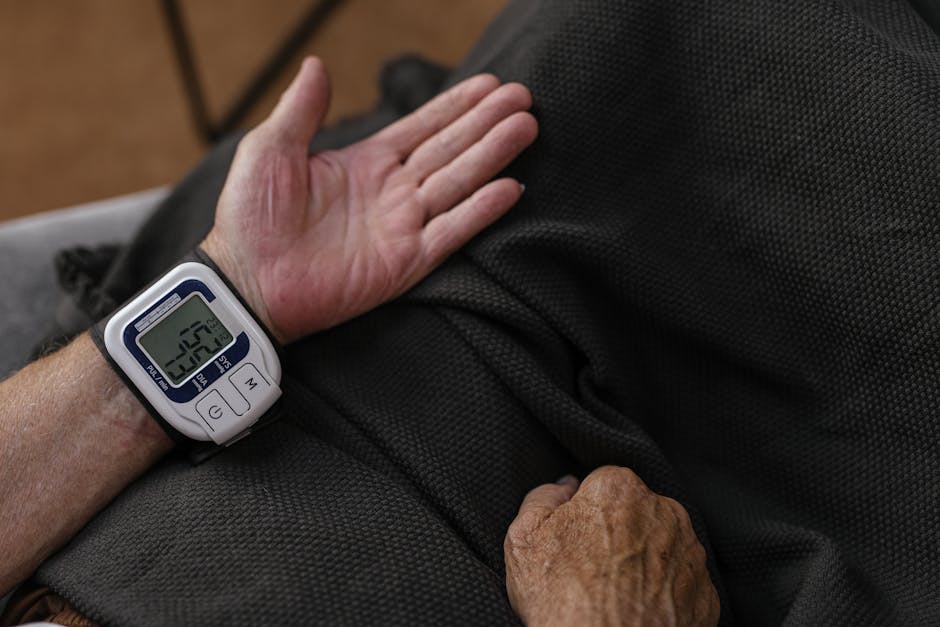
Photo: Pexels / SHVETS production
Many older adults are surprised to learn that most of their salt comes from packaged foods, restaurant meals, and deli items rather than the salt shaker.
Reading labels and cooking more at home may help you cut back gently.
3. Use a Home Blood Pressure Monitor the Right Way
✅ Key points
- Monitor daily numbers at home.
- Sit quietly, feet flat, arm at heart.
- Log readings for doctor.
A home blood pressure monitor lets you track your numbers over time, which gives your doctor a fuller picture than a single clinic visit.
Sit quietly for five minutes first, keep your feet flat on the floor, and rest your arm at heart level.
Photo: Unsplash / Mockup Graphics

Take two readings a minute apart, at the same times each day, and write them down or save them in an app.
Bring this log to your appointments so your care team sees your real daily pattern.
4. Build a Heart-Friendly Hypertension Lifestyle
✅ Key points
- Exercise regularly (walking, swimming).
- Manage stress and get enough sleep.
- Limit alcohol, avoid tobacco.
Beyond diet, a hypertension lifestyle includes regular gentle movement like brisk walking, swimming, or stretching most days of the week.
Managing stress through deep breathing, hobbies, or time with friends may also help your numbers settle.
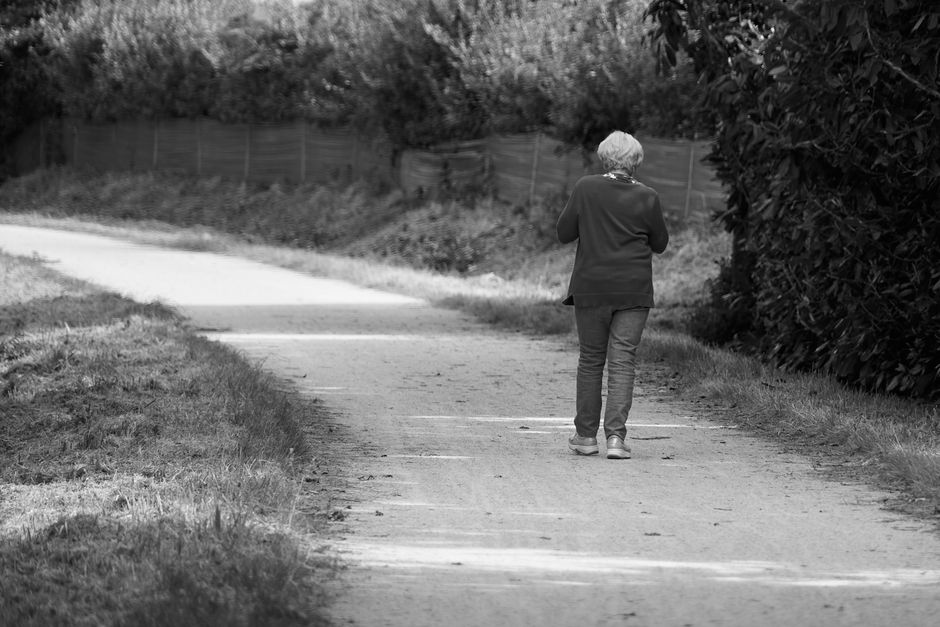
Photo: Pexels / Richard REVEL
Limiting alcohol and avoiding tobacco are powerful steps, and getting enough sleep supports a healthier heart.
Talk with your doctor before starting any new exercise routine, especially if you have other health conditions.
5. Don't Be Fooled by White Coat Hypertension
✅ Key points
- Nervousness raises clinic readings.
- Home readings show true state.
- Discuss clinic-home differences with doctor.
Some people get higher readings at the doctor's office simply because they feel nervous, a pattern called white coat hypertension.
This is one reason home readings can be so useful, since they reflect your everyday calm state.
Photo: Unsplash / Mark Timberlake

If your numbers are fine at home but high at the clinic, mention it to your doctor instead of ignoring it.
Your doctor may suggest a 24-hour monitor to find out what's really going on.
When to see a doctor
- A reading of 180/120 or higher, especially with chest pain, shortness of breath, or trouble speaking
- Sudden severe headache, blurred vision, or confusion
- Persistent readings above your doctor's target despite lifestyle changes
- Dizziness, fainting, or a very low reading that worries you
Wrap-up
Caring for your blood pressure isn't about one big change, but about small, steady habits you can keep.
Track your numbers, season smartly, move a little each day, and stay in close touch with your doctor.
You're already taking the most important step by learning more. Here's to many healthy, active years ahead.
✅ Your checklist for today
☐ Measure your blood pressure at the same time today
☐ Choose one lower-salt meal or snack
☐ Take a 15-20 minute walk
☐ Drink water and skip the extra coffee or alcohol
☐ Write today's numbers in your log
Frequently asked questions
Q. How often should I check my blood pressure at home?
A. Many doctors suggest checking once in the morning and once in the evening for a week or two, then as advised.
Always confirm the right schedule for you with your own doctor, since needs vary.
Q. Can drinking water lower my blood pressure?
A. Staying hydrated supports overall heart health, but water alone is not a treatment for high blood pressure.
A balanced low-salt diet, movement, and any prescribed medication matter much more.
Q. Is white coat hypertension dangerous?
A. It can be a sign that your blood pressure may rise under stress, so it shouldn't be ignored.
Share your home readings with your doctor, who can decide if further monitoring is needed.
If this was helpful, please follow and share . Questions? Leave a comment below!
Helpful products
These items may be helpful in daily life; individual results may vary.
Blood pressure monitor on Amazon › Arm blood pressure cuff on Amazon › Low sodium seasoning on Amazon ›As an Amazon Associate, I earn from qualifying purchases.
#BloodPressure #HighBloodPressure #LowSaltDiet #HomeBloodPressureMonitor #HypertensionLifestyle #WhiteCoatHypertension #SeniorHealth #HeartHealth
📚 Trusted sources to learn more
For more, see trusted sources such as the CDC and the American Heart Association.
📝 About this article
'ReyB Health Notes' explains trusted public health information in plain language for older adults (50s–70s). (Reviewed June 2026)
This article is general health information and is not a substitute for diagnosis or treatment. If you have symptoms or concerns, please consult a medical professional.
Comments
Post a Comment