Lower Blood Pressure: 5 Daily Habits Seniors Often Overlook
💡 Key Takeaways
- Home readings often reflect your true blood pressure better.
- Losing just 1 kg can drop blood pressure 1–2 mmHg.
- Never stop blood pressure medication on your own.

High blood pressure has no symptoms, which is exactly why it's called the 'silent risk' — it quietly strains the heart, brain, and kidneys for years.
But here's the encouraging part: lifestyle matters as much as pills. Losing just 1 kg (about 2 lbs) is known to drop blood pressure by roughly 1–2 mmHg.
Today we'll cover the daily basics of blood pressure — the parts most people miss.
📑 Contents
1. Sodium hides in the 'broth', not just salty side dishes
✅ Key points
- Soups, stews, instant-noodle broth hide sodium.
- Leaving broth cuts a lot of salt.
- Potassium-rich foods help flush sodium.
Salt makes your body hold water, which raises blood pressure.
The sneaky part is that soups, stews, and instant-noodle broth hold far more sodium than you'd guess — so simply leaving the broth in the bowl cuts a lot of salt.
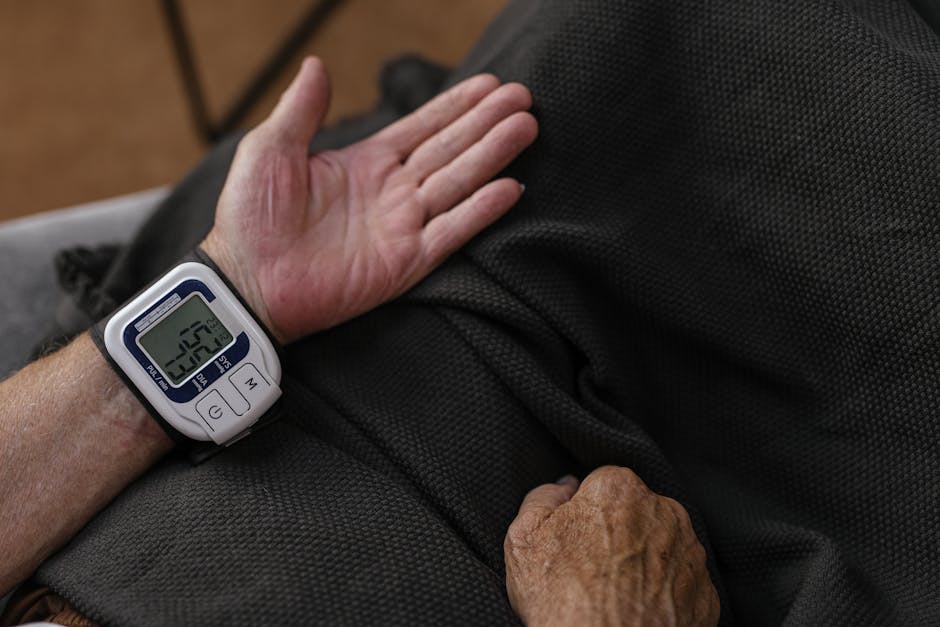
Photo: Pexels / SHVETS production
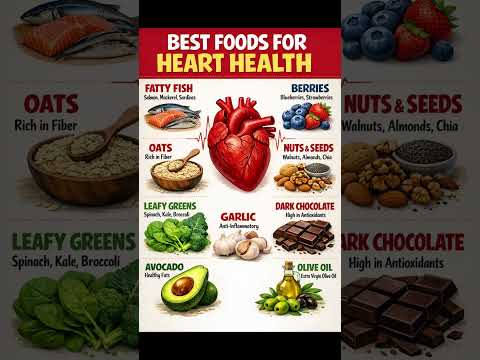
On the flip side, potassium-rich foods (vegetables, bananas, potatoes) help flush sodium out.
If you have kidney disease, though, you may need to limit potassium, so check with your doctor first.
💡 Grapefruit (and its juice) can over-boost some blood pressure medicines.
2. Losing just 1 kg can drop blood pressure 1–2 mmHg
✅ Key points
- Belly fat drives blood pressure up.
- Small weight loss shows real results.
- Log weight, blood pressure together.
Belly fat in particular drives blood pressure up, so even a small loss shows real results.
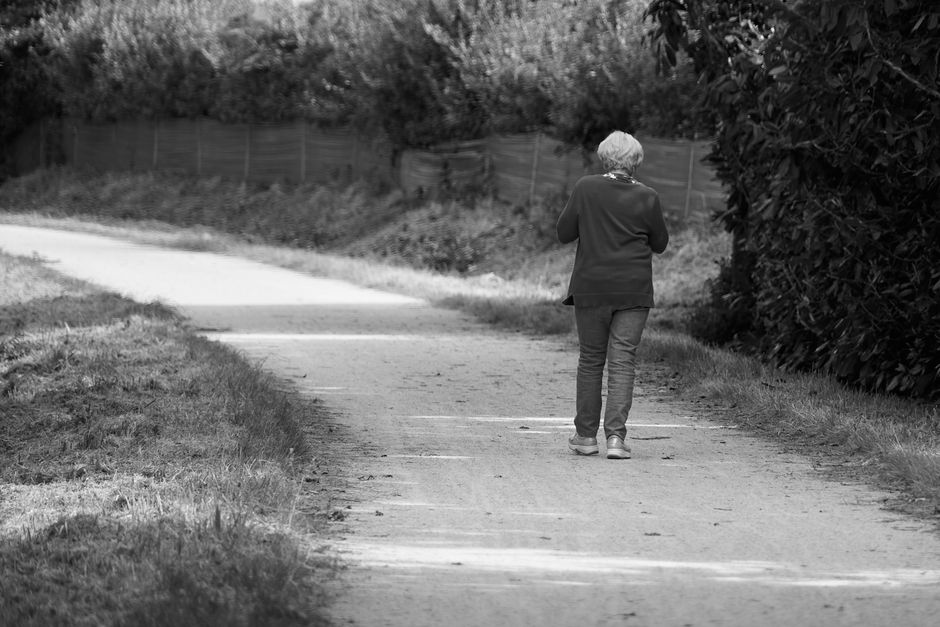
Photo: Pexels / Richard REVEL
Skip crash diets — cut back on broth, sweets, and late-night snacks, and add gentle daily movement to lose slowly.
Logging weight and blood pressure together turns your effort into numbers you can see, which makes it easier to keep going.
3. For blood pressure, go 'slow and steady' (don't hold your breath)
✅ Key points
- Brisk walk 30 min, 4–5 days.
- Breathe out when exerting, don't hold.
- Exercise in warmer afternoon, not dawn.
Regular brisk walking — about 30 minutes, 4–5 days a week — helps lower blood pressure over time.
What hurts is the opposite: lifting something heavy while grunting and holding your breath spikes pressure for a moment and can be dangerous.
When you exert, breathe out rather than hold; and on cold days, exercise in the warmer afternoon, not at dawn.
4. Home readings are more honest ('white coat' effect)
✅ Key points
- Home numbers reflect true blood pressure.
- Measure morning and evening calmly.
- Take two readings, then average them.
Some people read high only at the clinic ('white coat hypertension'); others read high only at home ('masked hypertension').
That's why home numbers often reflect your true blood pressure better.
Measure morning (before pills, after the bathroom) and evening, after sitting calmly for 5 minutes, taking two readings a minute apart and averaging them.
Keep your arm at heart height and bring the log to your doctor.
5. Blood pressure pills 'control', they don't 'cure'
✅ Key points
- Pills control blood pressure, don't cure.
- Don't stop medication on your own.
- Take pills at the same time daily.
Even when your number looks normal, don't stop medication on your own — it's normal because the pill is controlling it, and stopping lets pressure climb back.
Take it at the same time each day, and if you have side effects, ask your doctor to adjust rather than quitting.
One more tip: grapefruit (and its juice) can over-boost some blood pressure medicines, so check with your pharmacist about anything you take.
When to see a doctor
- Repeated readings of 180+ (top) or 120+ (bottom)
- Severe headache, chest pain, or shortness of breath together
- Weakness on one side, slurred speech, or vision changes (call emergency services)
- A nosebleed that won't stop, or sudden dizziness with near-fainting
Wrap-up
The basics of blood pressure: leave the broth, lose a little weight, walk slow and steady, measure at home, and never skip pills.
Start with just 'leave the broth' today.
Always discuss medication changes with your doctor — consistency is your strongest tool.
✅ Your checklist for today
☐ Leave the soup/stew broth in the bowl
☐ Add potassium-rich veggies (watch it if kidney disease)
☐ Brisk walk 30 min, 4–5 days a week
☐ Measure morning + evening, average two readings
☐ Take blood pressure pills at the same time daily
Frequently asked questions
Q. If my blood pressure is normal now, can I stop my medication?
A. It's normal because the medicine is controlling it.
Stopping lets it climb back, which is risky.
Keep taking it and discuss any change with your doctor.
Q. What counts as a normal blood pressure number?
A. Generally below 120/80 is normal and 140/90 or higher is high.
Your personal target can differ with age and conditions, so set it with your doctor.
Q. Are 'low-sodium' salts a free pass?
A. They still contain sodium, so using a lot defeats the purpose.
They're also high in potassium, which can be a problem if you have kidney disease.
If this was helpful, please follow and share . Questions? Leave a comment below!
Helpful products
These items may be helpful in daily life; individual results may vary.
Blood pressure monitor on Amazon › Arm blood pressure cuff on Amazon › Low sodium seasoning on Amazon ›As an Amazon Associate, I earn from qualifying purchases.
#bloodpressure #hypertension #lowerbloodpressure #seniorhealth #healthyaging #lowsodium #hearthealth #healthtips
📚 Trusted sources to learn more
For more, see trusted sources such as the CDC and the American Heart Association.
📝 About this article
'ReyB Health Notes' explains trusted public health information in plain language for older adults (50s–70s). (Reviewed June 2026)
This article is general health information and is not a substitute for diagnosis or treatment. If you have symptoms or concerns, please consult a medical professional.
Comments
Post a Comment