Food Poisoning in Summer: 5 Mistakes Seniors Make Without Knowing
💡 Key Takeaways
- Don't leave food out over 2 hours.
- Never reheat spoiled food; toxins survive boiling.
- If sick, prioritize fluids; avoid anti-diarrheals.

Ever thought 'it smells a little off, but reheating will fix it'?
That's the most common food-poisoning trap.
Heat and humidity make food spoil fast and bacteria multiply explosively, and with a weaker immune system, seniors get hit harder and risk dehydration.
But 'I put it in the fridge' and 'boiling kills everything' both have surprising holes.
Here are five non-obvious ways to avoid food poisoning.
📑 Contents
1. Bacteria explode after '2 hours at room temperature' (the danger zone)
✅ Key points
- Refrigerate food quickly.
- Cool hot food in shallow dish.
- Avoid leaving food out 2+ hours.
Bacteria grow well between about 4°C and 60°C (40–140°F), and leaving food out for over 2 hours — just 1 hour on hot days — lets them multiply explosively.

Photo: Pexels / SHVETS production
So groceries, cooked dishes, and packed lunches need to be 'cooled fast and refrigerated.'
Putting hot food straight in the fridge raises its temperature, so spread it in a shallow dish to cool quickly first.
💡 When in doubt, throw it out.
2. Don't over-trust the refrigerator (a food-poisoning trap)
✅ Key points
- Fridge not unlimited safety.
- Keep fridge under 70% full.
- Raw meat bottom, cooked top.
Even at fridge temperatures (4°C / 40°F), bacteria still grow slowly and some multiply in the cold, so the fridge is not 'unlimited safety.'
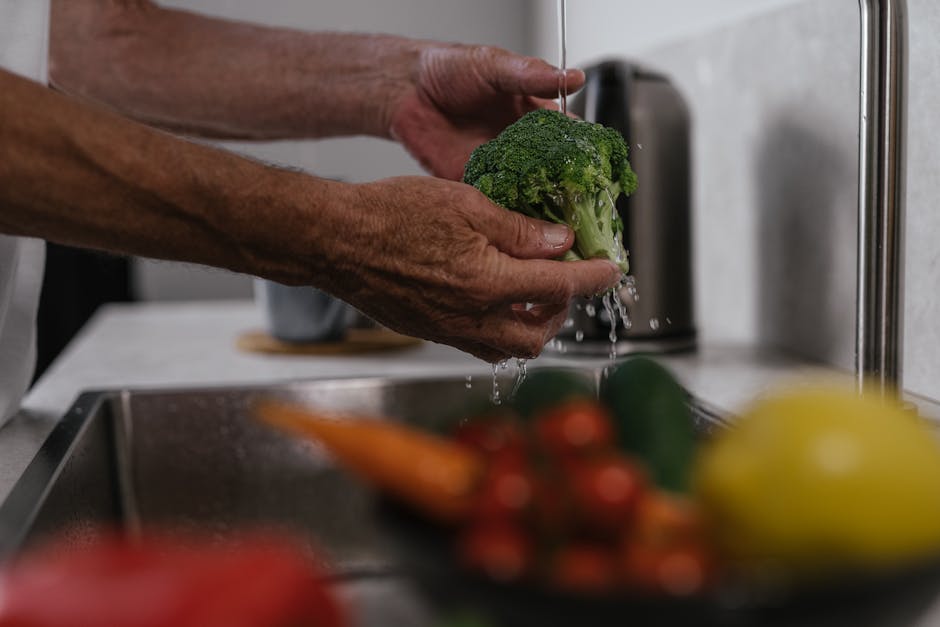
Photo: Pexels / SHVETS production
Keep it under 70% full so cold air circulates, store raw meat and fish on the bottom shelf and ready-to-eat food on top so drips don't contaminate.
Opening the door often and long raises the temperature, so be quick.
3. 'Reheating fixes it' causes food poisoning (toxins survive)
✅ Key points
- Toxins survive reheating.
- Boiling doesn't make food safe.
- Discard food if smell or taste off.
Boiling can kill bacteria, but the 'toxins' some bacteria have already made often survive boiling.
So food left out and spoiled isn't made safe by reheating — if the smell, color, or taste is even slightly off, throw it out.
Be especially wary of packed lunches, rice rolls, and seasoned sides left out long on a hot day, even if they look fine.
4. Cutting-board 'cross-contamination' is a hidden route
✅ Key points
- Separate raw/cooked boards.
- Wash hands 30+ seconds.
- Cook meat, seafood, eggs thoroughly.
Cutting raw meat or fish and then slicing vegetables or fruit on the same board moves bacteria straight to ready-to-eat food (cross-contamination).
Use separate boards for 'raw' and 'ready-to-eat,' and wash with hot water and dry after use.
Wash hands with soap for 30+ seconds before cooking and eating, and cook meat, seafood, and eggs through to the center (70°C / 160°F).
5. If you do get sick, skip the anti-diarrheal — fluids first
✅ Key points
- Diarrhea flushes bad bacteria.
- Avoid anti-diarrheal pills.
- Replace fluids and electrolytes.
Diarrhea is the body flushing out bad bacteria, so taking anti-diarrheal pills carelessly can trap them and worsen things.
Replace fluids and electrolytes a little at a time instead — diluted barley tea or a sports drink helps.
Seniors dehydrate fast, so if you can't keep water down, pass almost no urine, or see bloody stool or high fever, go to the doctor without delay.
When to see a doctor
- Vomiting or diarrhea so severe you can't keep water down and barely urinate
- Blood in the stool or black, tarry stool
- A fever of 39°C (102°F)+ or confusion
- Dizziness and weakness so severe you can't stand from dehydration
Wrap-up
Summer food safety is about not leaving food out over 2 hours, not over-trusting the fridge, tossing anything suspect, and separating boards.
Just remember 'reheating won't fix it.' If diarrhea, vomiting, or dehydration is severe, see a doctor early.
✅ Your checklist for today
☐ Don't leave food out over 2 hours (1 on hot days)
☐ Keep fridge under 70% full; raw bottom, cooked top
☐ Off smell/color → toss, don't reheat
☐ Separate cutting boards for raw and ready-to-eat
☐ If sick, fluids/electrolytes — not anti-diarrheals
Frequently asked questions
Q. Is refrigerated food fine even after several days?
A. Bacteria still grow slowly in the cold.
Eat cooked dishes within 3–5 days, and toss anything that smells or tastes off.
The fridge isn't unlimited safety.
Q. If something seems spoiled, is boiling it enough to eat?
A. Boiling kills bacteria but not the toxins they may have already made.
'Reheating will fix it' is risky — when in doubt, throw it out.
Q. Should I take an anti-diarrheal right away?
A. Diarrhea clears out bad bacteria, so blocking it can make things worse.
Replace fluids and electrolytes in small sips, and see a doctor if it's severe.
If this was helpful, please follow and share . Questions? Leave a comment below!
Helpful products
These items may be helpful in daily life; individual results may vary.
Food storage containers on Amazon › Refrigerator organizer bins on Amazon › Antibacterial cutting board on Amazon ›As an Amazon Associate, I earn from qualifying purchases.
#foodpoisoning #foodsafety #summerhealth #crosscontamination #kitchensafety #seniorhealth #healthyaging #healthtips
📚 Trusted sources to learn more
For more, see trusted sources such as the FDA and the CDC.
📝 About this article
'ReyB Health Notes' explains trusted public health information in plain language for older adults (50s–70s). (Reviewed June 2026)
This article is general health information and is not a substitute for diagnosis or treatment. If you have symptoms or concerns, please consult a medical professional.
Comments
Post a Comment