Lower Blood Sugar: The 'Food Order' and 15-Minute Walk Seniors Miss
💡 Key Takeaways
- Eat veggies first, then protein, then carbs to slow sugar.
- Walk 15-30 minutes after meals; muscles 'burn' glucose.
- Never skip breakfast; manage lows; check feet regularly.

Think avoiding sweets is enough?
Blood sugar depends as much on 'how and when' you eat as 'what.' Amazingly, the same meal raises blood sugar far more gently if you just change the order you eat it in.
Left high for years, blood sugar slowly harms eyes, kidneys, nerves, and vessels — so steady control is the goal.
Here are five smart, non-obvious ways to manage blood sugar.
📑 Contents
1. Change the 'order' and blood sugar rises slowly (veggies first!)
✅ Key points
- Eat vegetables, then protein, then carbs.
- Fiber and protein slow sugar.
- Chew each bite 20+ times.
Eat vegetables (fiber) first, then protein (meat/fish), then rice or bread (carbs), and the fiber and protein slow sugar absorption so blood sugar climbs gently.
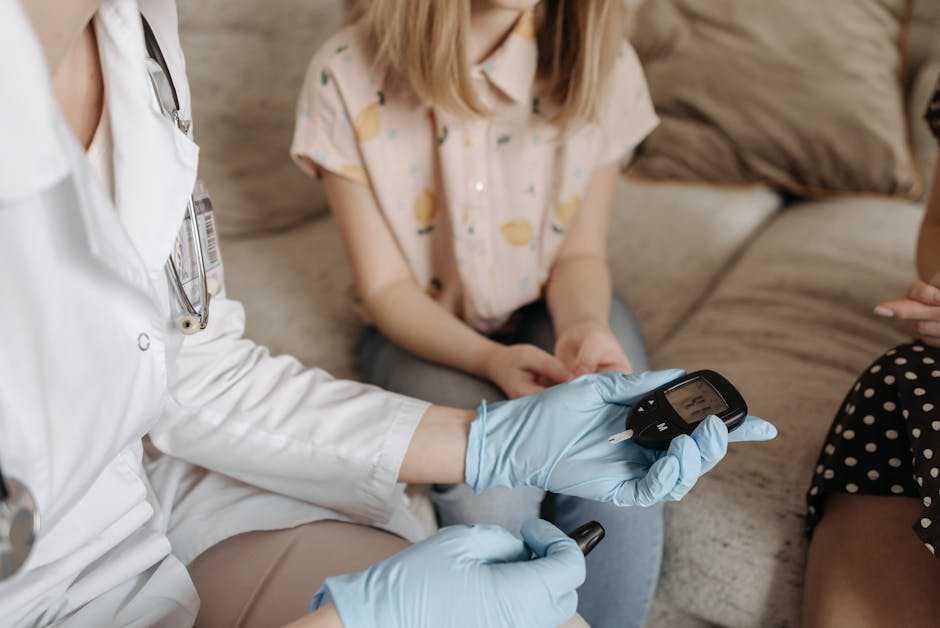
Photo: Pexels / Pavel Danilyuk
It's sometimes called 'reverse eating.' Chewing each bite 20+ times also brings fullness sooner, so you eat less.
Your fullness signal takes 15–20 minutes to reach the brain, so eating slowly is a real blood-sugar and weight tool, not just good manners.
💡 Carry candy or juice for low blood sugar emergencies; treat immediately.
2. The real risks: 'skipping breakfast' and 'zero' drinks
✅ Key points
- Skipping breakfast spikes lunch sugar.
- 'Zero' drinks build sweetness habit.
- Swap white grains for whole grains.
It seems like only sweets matter, but skipping breakfast can spike your blood sugar even higher at lunch and dinner.

Photo: Pexels / SHVETS production
And 'zero/diet' sodas don't raise blood sugar directly, yet keeping you used to intense sweetness can make overall eating harder to manage.
Swapping white rice and white bread for whole grains is a small change that helps.
3. A 15-minute walk after meals works like medicine (here's why)
✅ Key points
- Walk 15-30 minutes after meals.
- Muscles burn post-meal glucose.
- Light movement beats hard workouts.
Much of the glucose that rises after a meal heads to your muscles, so a gentle walk 15–30 minutes after eating lets the muscles 'burn' it and blunts the spike.
No need to go far — around the house, a hallway, or the block is enough.
Even about 10 minutes of post-meal walking is known to help lower after-meal blood sugar.
Light movement after eating beats hard workouts here.
4. Fruit is not 'dessert' (a common myth)
✅ Key points
- Fruit is sugar, avoid after meals.
- Eat small fruit between meals.
- Limit fruit juice, dried fruit.
Many people pile on fruit after a meal, but fruit is sugar too, so a big after-meal helping pushes blood sugar up again.
Better to have a small amount between meals — like a quarter apple.
Fruit juice and dried fruit have concentrated sugar that raises blood sugar fast, so go easy on those.
5. Prepare for lows + foot and checkup care (don't skip)
✅ Key points
- Treat low blood sugar immediately.
- Check feet daily for cuts.
- Get regular A1C, eye, kidney checks.
If you take insulin or certain pills, cold sweats, shaking, or dizziness signal low blood sugar — treat it immediately with candy or juice (carry some when out).
Long-standing diabetes can dull foot sensation, so check your feet daily for cuts and keep them clean and dry.
Regular A1C (average blood sugar), eye, and kidney checkups catch complications early.
When to see a doctor
- Confusion with cold sweat and shaking, or fading consciousness (low sugar — call emergency services)
- Constant thirst, frequent urination, and rapid weight loss despite drinking
- A foot wound that won't heal, turns red and swollen, or oozes
- Sudden blurred vision or other vision changes
Wrap-up
Blood sugar care is less about 'cutting out' and more about 'eating smart and moving after meals.'
Start with food order, a post-meal walk, and fruit timing.
Rather than trusting a food to 'cure' diabetes, find what suits you with your doctor and dietitian.
✅ Your checklist for today
☐ Eat veggies → protein → carbs, chew 20+ times
☐ Don't skip breakfast
☐ Walk 15–30 min after meals
☐ Fruit between meals, not after — small amounts
☐ Carry candy for lows; check feet daily
Frequently asked questions
Q. What A1C should I aim for?
A. Often below 7%, but it depends on age and health.
Older adults sometimes aim a bit higher to avoid lows, so set your target with your doctor.
Q. If it says 'no sugar added,' can I eat freely?
A. No-added-sugar foods can still contain carbohydrates that raise blood sugar.
Check the carbs/sugars on the label and watch portions.
Q. Do supplements or teas cure diabetes?
A. Some may help a little, but none can be said to 'cure' it, and they don't replace medication.
Talk to your doctor before taking them.
If this was helpful, please follow and share . Questions? Leave a comment below!
Helpful products
These items may be helpful in daily life; individual results may vary.
Blood glucose monitor on Amazon › Diabetic socks on Amazon › Glucose test strips on Amazon ›As an Amazon Associate, I earn from qualifying purchases.
#bloodsugar #diabetes #diabetesdiet #bloodglucose #a1c #seniorhealth #healthyaging #healthtips
📚 Trusted sources to learn more
For more, see trusted sources such as the CDC and the American Diabetes Association.
📝 About this article
'ReyB Health Notes' explains trusted public health information in plain language for older adults (50s–70s). (Reviewed June 2026)
This article is general health information and is not a substitute for diagnosis or treatment. If you have symptoms or concerns, please consult a medical professional.
Comments
Post a Comment