Sleep Problems After 60? The Surprising Timing Fix That Helps You Fall Asleep
Key Takeaways
- Why Can't I Fall Asleep at Night as I Get Older?
- The Truth About How Much Sleep Older Adults Really Need
- Best Natural Remedies and Sleep Hygiene Tips That Actually Work

It's 2 a.m., you're staring at the ceiling in your quiet bedroom, listening to the traffic hum below — sound familiar?
If you keep asking yourself 'why can't I fall asleep at night' or you're always tired after sleeping, here's the truth: you're not broken and you're not alone.
Sleep problems are one of the most common complaints in senior health, and older adults too often shrug them off as 'just getting old.'
Here's the good news: much of it may improve with just 3 specific timing tweaks and the third one, hidden near the end, surprises almost everyone. Stick with me to the last section.
Contents
- Why Can't I Fall Asleep at Night as I Get Older?
- The Truth About How Much Sleep Older Adults Really Need
- Best Natural Remedies and Sleep Hygiene Tips That Actually Work
- Always Tired After Sleeping? Snoring, Sleep Apnea and Restless Legs
- How to Get Rid of Insomnia Naturally: The Surprising Morning Trick Most People Miss
1. Why Can't I Fall Asleep at Night as I Get Older?
✅ Key points
- Body clock shifts earlier
- Less melatonin with age
- Rhythm, not weakness
Your internal body clock shifts earlier with age, and your brain produces less melatonin — the 'it's dark now' hormone that tells your body it's time to rest.
That's the real reason you feel sleepy at 8 p.m., doze off, then lie wide awake at midnight staring at the ceiling.
Photo: Unsplash / Tânia Mousinho

It's a rhythm problem, not a 'weak sleep' problem — and that distinction matters enormously for older adults and senior health.
Understanding this changes everything about how you fix it, guiding you toward real solutions rather than simply trying harder to fall asleep.
2. The Truth About How Much Sleep Older Adults Really Need
✅ Key points
- 7-8 hours still needed
- Lighter, more broken sleep
- Brief waking is normal
Most older adults still need 7 to 8 hours of sleep — full stop.
The stubborn myth that seniors need only 5 hours is just that: a myth, and a harmful one.
What genuinely changes with age is that sleep grows lighter and more fragmented, so you wake more often.
Waking once or twice a night is a normal part of senior health; lying awake for an hour unable to fall back asleep is a signal worth acting on.
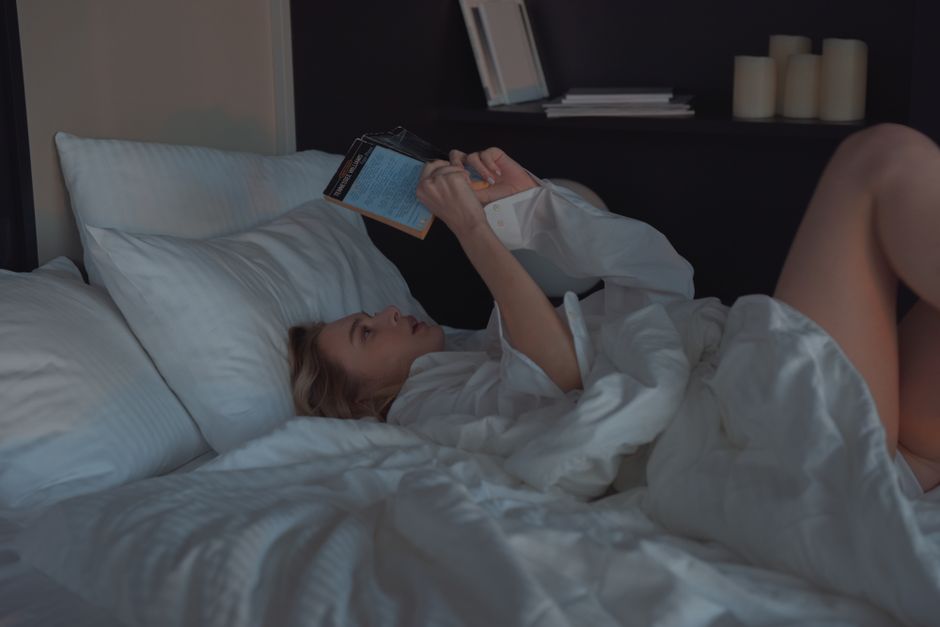
Photo: Pexels / cottonbro studio
So how do you tell normal aging from a real problem? The key distinctions are coming next — read on.
3. Best Natural Remedies and Sleep Hygiene Tips That Actually Work
✅ Key points
- Morning sunlight 15-30 min
- Fixed wake-up time
- Skip the nightcap
The single most effective natural step for better sleep at any age: get 15 to 30 minutes of morning sunlight within an hour of waking.
This daily reset tells your brain when 'day' begins, so melatonin rises on time that night — one of the most overlooked senior health habits there is.
Keep a fixed wake-up time every day, including weekends; your body clock anchors to when you rise, not when you fall asleep.
Foods that support sleep — 1 to 2 kiwis, a small 4-to-6-ounce glass of tart cherry juice, or a handful of almonds or walnuts — contain natural compounds that may gently encourage rest.
Photo: Unsplash / Giorgio Trovato

Skip heavy meals within 3 hours of bedtime. And ignore the nightcap myth entirely: alcohol may knock you out quickly, but it fragments your sleep in the second half of the night, leaving older adults more exhausted, not less.
Helpful products
These items may be helpful in daily life; individual results may vary.
Sleep supplement on Amazon ›As an Amazon Associate, I earn from qualifying purchases.
4. Always Tired After Sleeping? Snoring, Sleep Apnea and Restless Legs
✅ Key points
- Apnea = breathing pauses
- Snoring + gasping = warning
- Side sleeping helps snoring
If you're getting 8 hours and still waking up exhausted, the hidden culprit in many senior health cases is sleep apnea — brief pauses in breathing that jolt your brain awake repeatedly without you ever realising it.
Loud snoring paired with gasping sounds or persistent morning headaches are classic warning signs.
Treating sleep apnea, often with a CPAP device, may dramatically improve daytime energy and protect your long-term health, including heart and brain function.
Restless leg syndrome — that relentless crawling urge to move your legs at night — is another serious disruptor for older adults, and it sometimes links to low iron levels worth discussing with your doctor.

Photo: Pexels / Hyukman Kwon
For snoring remedies that genuinely work, sleeping on your side and modest weight loss frequently outperform gadgets.
If these issues persist or significantly affect your daily life, consult your doctor — quality sleep is foundational to senior health and overall wellbeing.
5. How to Get Rid of Insomnia Naturally: The Surprising Morning Trick Most People Miss
✅ Key points
- Leave bed after 20 min
- Return only when drowsy
- Stop clock-watching
Here is the twist that changes everything for older adults battling insomnia: if you cannot fall asleep within about 20 minutes, get out of bed.
It feels counterintuitive, but staying in bed frustrated quietly trains your brain that bed means 'stay awake' — the opposite of what you need.
Move to a dim, quiet space, sit calmly, and return only when you feel genuinely drowsy.
This is a clinically recognised technique that retrains your sleep drive naturally.
Photo: Unsplash / Uliana Semenova

Stop clock-watching too; checking the time spikes anxiety and pushes sleep further away.
Apply this consistently for two weeks and your bed becomes a powerful sleep cue again, not a battleground — unlocking truly restful nights, sharper mornings, and the kind of senior health you deserve.
When to see a doctor
- Loud snoring with gasping or choking, or witnessed breathing pauses
- Daytime sleepiness so strong you nod off while talking or driving
- Insomnia lasting more than 3-4 weeks despite good sleep habits
- Crawling leg sensations at night that don't ease with movement
Helpful products
These items may be helpful in daily life; individual results may vary.
Sleep for seniors on Amazon ›As an Amazon Associate, I earn from qualifying purchases.
Wrap-up
You don't have to accept lousy sleep as the price of getting older — small, well-timed changes may make a real difference for sleep problems in older adults, though lasting issues always deserve a doctor's look.
This guide walked you through natural remedies, sleep hygiene tips, and the warning signs of insomnia and sleep apnea in seniors.
Here is the one surprising tweak to start today: step outside for 15 minutes of morning light within an hour of waking — it helps reset your body clock so tonight-you finally drifts off easier.
Try it for three mornings and notice the difference.
✅ Your checklist for today
☐ Get 15-30 minutes of sunlight within an hour of waking
☐ Set one fixed wake-up time, even on weekends
☐ No caffeine after 2 p.m. and no alcohol before bed
☐ If awake 20+ minutes, leave bed and return when drowsy
☐ Keep the bedroom cool, dark, and screen-free before sleep
Frequently asked questions
Q. How much sleep do older adults really need?
A. About 7-8 hours for most people. Sleep naturally becomes lighter with age, so brief waking is normal — but chronic exhaustion isn't.
If you feel unrested despite enough hours, talk with your doctor.
Q. What are the best natural remedies for sleep?
A. Morning sunlight, a consistent wake time, and avoiding late caffeine and alcohol help most.
Some foods like tart cherry or kiwi may gently support sleep. These may help but aren't a cure, so check with your doctor if problems persist.
Q. Why am I always tired even after sleeping 8 hours?
A. Fragmented sleep from sleep apnea, restless legs, or frequent night waking can leave you tired despite the hours.
Loud snoring and morning headaches are clues worth mentioning to your doctor for evaluation.
If this was helpful, please follow and share. Questions? Leave a comment below!
#SleepHealth #InsomniaRelief #BetterSleep #SleepTips #SleepWell #HealthySleep #SeniorHealth #OlderAdults
🔗 You may also like
• Reclaim Deep Sleep 5 Surprising Ways Tec• Sleep Blood Pressure: The Hidden Heart Risk 60% of Seniors Ignore (Why Night Readings Matter More)• Gut Health After 60: Foods That May Quietly Fix Bloating🌐 ReyB Network
▶ Watch more senior-health videos on ReyB Health Lab YouTube.
🔗 All links & recommended products📚 Trusted sources to learn more
For more, see trusted sources such as the CDC and the Mayo Clinic.
📝 About this article
'ReyB Health Notes' explains trusted public health information in plain language for seniors. (Reviewed July 2026)
This article is general health information and is not a substitute for diagnosis or treatment. If you have symptoms or concerns, please consult a medical professional.
Comments
Post a Comment