Brain Health After 60: 7 Tips That Actually Work (Tip #7 Almost Nobody Mentions)
Key Takeaways
- How to Boost Brain Health Naturally After 60: Where to Start
- Best Foods That Improve Brain Health and Focus
- Vitamins and Brain Health Supplements for Memory (Including Qunol Brain Health Memory Plus)

You walk into the kitchen and freeze — why did you come in here again? If you're 55+ and those little memory blips feel scarier lately, you're not alone, and this is for you.
Here's the good news up front: brain health is not fixed after 60, and small daily habits may help keep your memory and focus sharper. Research suggests that lifestyle — food, movement, sleep, and staying social — matters more for cognitive function than most people realize.
Quick check-in before we start: think about your last 24 hours.
Did you move your body?
Sleep well? Talk to a friend? Keep those answers in mind. And stick with me to the very end, because Tip #7 is the single most underrated brain-health habit — the one almost nobody talks about. Let's start with what actually moves the needle.
Contents
1. How to Boost Brain Health Naturally After 60: Where to Start
✅ Key points
- Brain uses 20% oxygen
- Walk 20-30 min daily
- Consistency beats intensity
Think a magic pill is the answer to a sharper mind after 60? Think again.
The real secret to brain health most people overlook is this: consistency beats intensity, every single time.
Your brain consumes roughly 20% of your body's oxygen, so anything that gets blood moving helps protect thinking and memory as you age.
Photo: Unsplash / Bhautik Patel

A brisk 20-30 minute walk most days supports both heart and brain health — because the same vessels feed both.
Here's what your doctor will tell you but rarely has time to explain: one easy daily walk does more for senior health than one punishing weekend workout.
Start there, stay consistent, and you've already done more than most people ever will.
2. Best Foods That Improve Brain Health and Focus
✅ Key points
- Omega-3 rich fish
- Berries and leafy greens
- Pattern beats single food
What if you could eat your way to a better memory?
Forget expensive brain health supplements for a moment — your kitchen may already hold the most powerful tools available to older adults.
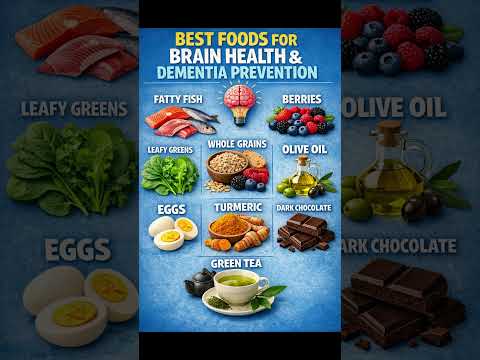
Fatty fish like salmon or sardines twice a week delivers DHA, the exact fat your brain cells are literally built from.
Berries, leafy greens, walnuts, and olive oil complete a Mediterranean-style pattern that research links to slower cognitive decline in seniors.

Photo: Pexels / Alex Shuper
Here's the twist most people miss: no single 'superfood' fixes brain fog — and anyone who tells you otherwise is selling something.
It's the steady overall pattern, day after day, that moves the needle on brain health and focus.
3. Vitamins and Brain Health Supplements for Memory (Including Qunol Brain Health Memory Plus)
✅ Key points
- Food first, pills second
- Check B12 and D
- Ask doctor about interactions
No brain health supplement replaces food, sleep, or exercise — full stop, start there before spending a cent.
That said, if blood tests reveal you're running low, B12, vitamin D, and omega-3 are nutrients where deficiencies are a known, documented cause of foggy thinking in older adults.
Brain health supplements like Qunol Brain Health Memory Plus typically combine omega-3s with antioxidants, and for people with confirmed nutritional gaps, that combination can be worth discussing with a professional.
The honest truth: evidence for memory benefits in otherwise healthy people is mixed, so manage expectations.
Photo: Unsplash / Michael Hamments

The one non-negotiable step before adding any brain health supplement to your routine — talk with your doctor or pharmacist first, especially if you take blood thinners, because interactions are real and serious.
Helpful products
These items may be helpful in daily life; individual results may vary.
Brain health supplement on Amazon ›As an Amazon Associate, I earn from qualifying purchases.
4. Move More: The Exercise-Memory Link for Older Adults
✅ Key points
- Sleep clears brain waste
- 7-8 hours nightly
- Stress mimics memory loss
Here's a brain health fact that stops most people cold: while you sleep, your brain runs its own cleaning cycle.
During deep sleep, your brain's glymphatic 'cleaning system' physically flushes out waste proteins linked to memory problems — which is exactly why one bad night leaves you foggy the next morning.
For older adults, protecting that window matters enormously. Aim for 7-8 hours and anchor your day with a steady wake-up time, because your internal body clock craves rhythm far more than perfection.

Photo: Pexels / Polina ⠀
And here's the mental health piece most people shrug off: chronic stress and untreated depression can mimic serious memory loss, and both are treatable.
If your thinking feels cloudy, rule those out before assuming the worst.
5. Sleep, Stress, and Your Mental Health Connection
✅ Key points
- Social ties protect brain
- Novelty over routine
- Learn something new
Staying socially and mentally engaged is one of the strongest, most underrated protectors of brain health for older adults — and it's the tip worth sharing with everyone you know.
Regular conversation, new hobbies, and learning something genuinely unfamiliar build what scientists call 'cognitive reserve,' a mental buffer that may delay decline even when biological changes are underway.
Crossword puzzles are pleasant, but here's what the research actually shows: novelty matters far more than repetition, so learning a new skill beats perfecting one you've already mastered.
A weekly coffee with a friend isn't just enjoyable — it's actively working your brain in ways no brain health supplement ever will.
Photo: Unsplash / Markus Spiske

Choose one new habit today. Your future self will thank you — and share this with someone who needs a mental boost.
When to see a doctor
- Getting lost in familiar places or forgetting how you got somewhere
- Trouble finding common words or following a conversation you used to handle easily
- Sudden confusion, slurred speech, or weakness on one side — call emergency services now
- Personality changes, deep low mood, or memory issues that friends and family keep noticing
Helpful products
These items may be helpful in daily life; individual results may vary.
Brain health for seniors on Amazon ›As an Amazon Associate, I earn from qualifying purchases.
Wrap-up
Here's your one thing to do today — and yes, this is that underrated Tip #7 we promised: take a short walk AND call a friend at the same time. You'll be feeding your brain twice at once, movement plus connection, the combo almost nobody talks about.
None of this is about perfection; it's about small, steady habits that stack up over the years.
Bookmark this and subscribe for more senior health tips on brain health, memory, and staying sharp — and share it with someone who keeps 'walking into rooms and forgetting why.'
Summary: This guide covers practical brain health tips for older adults — foods, exercise, sleep, brain health supplements, and staying social to naturally support memory and cognitive function after 60. Always talk with your doctor about your personal situation.
✅ Your checklist for today
☐ Take a 20-30 minute walk today
☐ Add a serving of fish, berries, or leafy greens
☐ Set a consistent bedtime for 7-8 hours of sleep
☐ Call or meet one friend for real conversation
☐ Ask your doctor before starting any brain supplement
Frequently asked questions
Q. Do brain health supplements like Qunol Brain Health Memory Plus really improve memory?
A. They may support brain health if you're low in certain nutrients like omega-3, but evidence for boosting memory in already-healthy seniors is mixed.
Treat them as a possible add-on, not a substitute for diet, exercise, and sleep — and check with your doctor first.
Q. What are the earliest signs of poor brain health I should watch for?
A. Common early signs include frequent word-finding trouble, getting lost in familiar routes, repeating questions, and pulling back from activities you enjoyed.
Occasional forgetfulness is normal with age, but changes that others notice or that worsen over months deserve a medical check.
Q. Which foods are best for brain health and focus in older adults?
A. Fatty fish (salmon, sardines), berries, leafy greens, walnuts, and olive oil top the list — the Mediterranean-style pattern.
It's the steady overall diet, not one 'superfood,' that's linked to better cognitive function in older adults.
If this was helpful, please follow and share. Questions? Leave a comment below!
#BrainHealth #CognitiveFunction #HealthyBrain #MemoryBoost #BrainFood #MentalClarity #SeniorHealth #BrainHealthTips
🔗 You may also like
• Memory Slipping Lately? 5 Proven Ways Older Adults Sharpen It Fast• Exercise for Seniors: 1 Simple Timing Trick for Bad Knees & Back (Home Workouts That Work)• Aching Knees and Stiff Hands After 50? The Surprising Joint Pain Relief That Actually Works🌐 ReyB Network
▶ Watch more senior-health videos on ReyB Health Lab YouTube.
🔗 All links & recommended products📚 Trusted sources to learn more
For more, see trusted sources such as the CDC and the Mayo Clinic.
📝 About this article
'ReyB Health Notes' explains trusted public health information in plain language for seniors. (Reviewed July 2026)
This article is general health information and is not a substitute for diagnosis or treatment. If you have symptoms or concerns, please consult a medical professional.
Comments
Post a Comment