HRT Demystified: 5 Benefits & Risks for Women Over 50
Key Takeaways
- Is Hormone Replacement Therapy Safe After Age 50?
- Benefits of HRT for Women in Their 50s
- Risks of HRT for Postmenopausal Women

Waking up at 3 a.m. drenched in sweat, kicking off the blanket, then freezing five minutes later?
You're not broken — and you're not alone.
If you're a woman over 50 weighing hormone replacement therapy for hot flashes, night sweats, or vaginal dryness, here's the honest, non-scary breakdown you actually want.
HRT is known to ease many menopause symptoms, but the real story is in the timing and the type — and by the end, I'll share the one 'window' detail most people never hear about.
Contents
1. Is Hormone Replacement Therapy Safe After Age 50?
✅ Key points
- Timing matters most
- Best within 10 years
- Personal history counts
For most healthy women who start within about 10 years of their last period, hormone replacement therapy is generally considered reasonably safe — the risk picture shifts the longer you wait.
This is the so-called 'timing hypothesis': starting HRT in your early-to-mid 50s tends to carry a more favorable benefit-risk balance than starting in your late 60s.

Photo: Unsplash / engin akyurt
That doesn't mean it's right for everyone, and your personal history (clots, certain cancers, heart disease) matters a lot. So the honest answer isn't yes or no — it's 'it depends, and your doctor needs your full story.'
2. Benefits of HRT for Women in Their 50s
✅ Key points
- Fewer hot flashes
- Stronger bones
- Better sleep, mood
The clearest, best-proven benefit of HRT is fast, reliable relief from hot flashes and night sweats — often within a few weeks.
Estrogen therapy also helps with vaginal dryness, poor sleep, and mood dips, and it's known to slow bone density loss after menopause, lowering fracture risk.

Photo: Pexels / Matheus Bertelli
Many women describe getting their focus and their nights back. But relief isn't the whole picture — the type you choose changes the risks, which is next.
3. Risks of HRT for Postmenopausal Women
✅ Key points
- Small clot risk
- Patch beats pill
- Lowest effective dose
The main risks to know are a small increase in blood clots, stroke, and — with long-term combined estrogen-plus-progesterone — breast cancer.
Here's the non-obvious part: transdermal estrogen (a patch or gel absorbed through the skin) is known to carry a lower clot risk than pills, because it skips the first pass through the liver.

Photo: Unsplash / Theo Crazzolara
Risks are generally small in absolute terms for healthy 50-somethings, but they rise with age, smoking, and duration of use.
The goal is the lowest effective dose for the time you actually need it.
4. Best Type of HRT for Women Over 50
✅ Key points
- Add progesterone if uterus
- Vaginal estrogen for dryness
- Cream won't protect uterus
There's no single 'best' HRT — but if you still have your uterus, you must pair estrogen with progesterone to protect the uterine lining, a detail some women miss.
For vaginal dryness alone, low-dose vaginal estrogen delivers relief right where you need it with very little absorbed into the body, so it's often an option even for those who can't take systemic HRT.
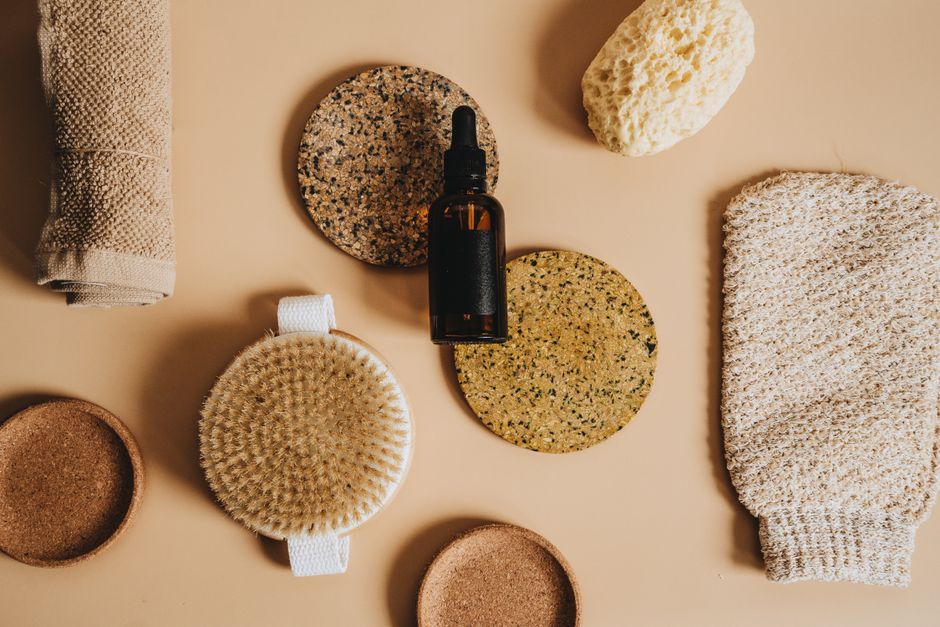
Photo: Pexels / Alesia Kozik
Patches and gels suit women wanting lower clot risk; pills are convenient but riskier for clots.
A common myth worth correcting: over-the-counter 'natural' progesterone cream is not proven to protect the uterus — don't rely on it for that.
5. Starting HRT at 55: Pros and Cons (The Window)
✅ Key points
- The 10-year window
- Don't delay too long
- Personal review after 60
Starting HRT around 55 is often still within the favorable 'window,' but the pros and cons get more personal the closer you get to 60.
The upside: strong symptom relief and bone protection while your body is still relatively young.

Photo: Unsplash / Marnie Rochester
The catch most people never hear — after roughly 60, or more than a decade past menopause, starting fresh HRT may tip the heart and stroke risk unfavorably, which is why doctors weigh it far more carefully then.
If you're on the fence, don't wait years hoping symptoms fade on their own; that delay can quietly narrow your best window.
When to see a doctor
- Any vaginal bleeding after menopause while on HRT
- Leg swelling, chest pain, or sudden shortness of breath (possible clot)
- New or worsening severe headaches or vision changes
- A personal or strong family history of breast cancer or blood clots before starting
Wrap-up
Here's your one thing to do today: jot down your top symptoms and your health history, then book a chat with your doctor — because with hormone replacement therapy, timing and type matter as much as the decision itself.
HRT demystified: for women over 50, the key benefits and risks of hormone therapy come down to starting in the right window with the right type at the lowest effective dose.
This is general info, not medical advice — your doctor knows your story best.
✅ Your checklist for today
☐ Write down your top 3 symptoms and how often they hit
☐ List your personal/family history of clots, stroke, and breast cancer
☐ Ask your doctor about patch or gel vs. pill for lower clot risk
☐ If dryness is your main issue, ask about low-dose vaginal estrogen
☐ Book a bone density check if you haven't had one recently
Frequently asked questions
Q. Is HRT safe if I'm already 58 and never took it?
A. It may still be an option, but the benefit-risk balance depends on how long ago menopause was and your heart/clot history.
Bring your full history to your doctor for a personalized call — don't rule it in or out yourself.
Q. Can natural remedies replace HRT for hot flashes?
A. Some women get partial relief from cooling habits, layered clothing, limiting alcohol and caffeine, and paced breathing.
These may help mild symptoms, but they're generally not as effective as HRT for moderate-to-severe hot flashes.
Q. How long can I stay on hormone therapy?
A. There's no fixed cutoff. Many use it for a few years at the lowest effective dose, reviewing with their doctor yearly.
Longer use, especially combined HRT, warrants a closer look at breast and clot risk.
If this was helpful, please follow and share. Questions? Leave a comment below!
#HRT #Menopause #WomensHealth #HormoneTherapy #MenopauseRelief #Over50Health #HotFlashes #BoneHealth
🔗 You may also like
• Blood Sugar After 50: The Surprising Food-Order Switch Most People Get Wrong• Memory Slips After 50? The Surprising Truth Behind Your Forgetfulness (and 5 Simple Fixes)🌐 ReyB Network
▶ Watch more senior-health videos on ReyB Health Lab YouTube.
🔗 All links & recommended products📚 Trusted sources to learn more
For more, see trusted sources such as the CDC and the Mayo Clinic.
📝 About this article
'ReyB Health Notes' explains trusted public health information in plain language for seniors. (Reviewed July 2026)
This article is general health information and is not a substitute for diagnosis or treatment. If you have symptoms or concerns, please consult a medical professional.
Comments
Post a Comment