Blood Sugar Management for Seniors: The Ignored Timing Trick That Flattens Spikes (and 4 More Habits)
Blood Sugar Management for Seniors: The Ignored Timing Trick That Flattens Spikes (and 4 More Habits)
💡 Key Takeaways
- Eat veggies and protein first, carbs last.
- Walk 15-30 minutes after meals.
- Protect muscle; it manages glucose.

If your morning glucose reading keeps creeping up no matter what you eat, take a breath — you're not failing, and you're not alone. Sound familiar?
You're in exactly the right place. Blood sugar management gets trickier as we age, partly because muscle (your body's biggest sugar sponge) shrinks year by year.
Here's the good news: research suggests small, well-timed habits may steady your numbers more than any single 'superfood.'
By the end, you'll get the one timing trick most people skip — the quiet move that flattens your after-meal spike without giving up the foods you love. Let's keep it simple and practical.
📑 Contents
1. Why Your Blood Sugar Gets Trickier As You Age (The Truth About Muscle Loss and What Causes High Blood Sugar)
✅ Key points
- Muscle shrinks 1-2% yearly.
- Less muscle, fewer 'parking spots'.
- Insulin resistance increases with age.
The main reason blood sugar rises with age is shrinking muscle and rising insulin resistance — meaning your cells respond more slowly to insulin, so sugar lingers in the blood.
After 50, we lose roughly 1-2% of muscle a year if we don't push back, and less muscle means fewer 'parking spots' for glucose.
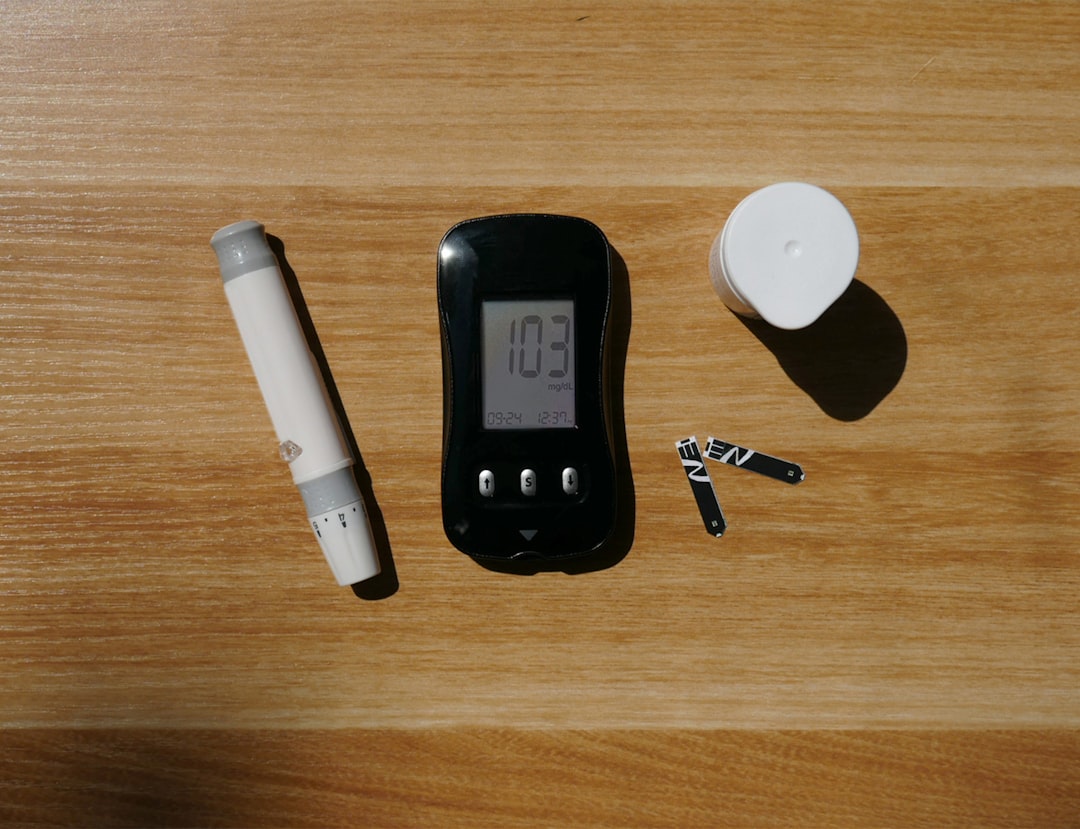
Photo: Unsplash / isens usa
Stress, poor sleep, and certain medications can nudge levels up too. Picture sugar as taxis with nowhere to drop off passengers — that traffic jam is high blood sugar.
💡 Always talk with your doctor or pharmacist before adding any blood sugar supplement.
2. The 'Carbs Last' Secret: How Food Order Actually Flattens Your After-Meal Spike
✅ Key points
- Eat veggies, protein first.
- Starchy carbs last.
- Fiber, protein slow sugar.
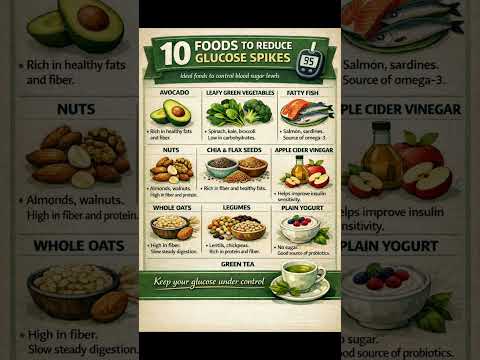
The most effective diet trick isn't cutting carbs — it's eating in the right order: vegetables and protein first, starchy carbs last.
This 'food sequencing' may blunt your post-meal glucose spike by a meaningful margin, because fiber and protein slow how fast sugar hits your bloodstream.
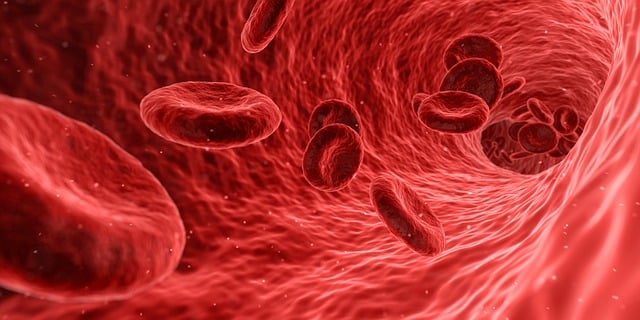
Photo: Pixabay / qimono
Build plates around blood sugar management foods like leafy greens, beans, eggs, fish, and whole grains.
The myth worth correcting: fruit isn't off-limits — whole fruit with its fiber behaves very differently from juice.
3. Exercise to Control Blood Sugar: Unlock the Power of the 15-Minute Post-Meal Walk Window
✅ Key points
- Walk 15-30 minutes post-meal.
- Start walk 15-30 minutes after eating.
- Muscles pull glucose from blood.
The single highest-payoff move is a 15-30 minute walk that starts 15-30 minutes after a meal, not hours later. Why then?
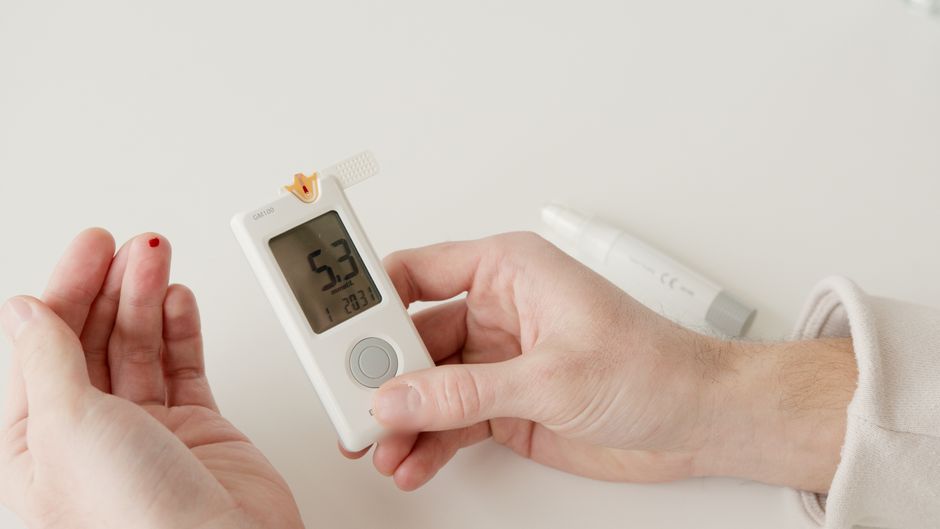
Photo: Pexels / Artem Podrez
That's exactly when sugar peaks, and walking muscles pull glucose straight out of your blood without needing extra insulin.
Two or three short post-meal walks may help more than one long workout.
No gym required — a stroll around the block counts, and that's the timing detail most people miss.
4. Worth It or Waste? The Truth About Blood Sugar Management Apps, Supplements, and Pills
✅ Key points
- Glucose tracker shows patterns.
- Supplements evidence is mixed.
- Talk doctor before supplements.
A simple blood sugar management app or glucose tracker is often the most useful tool, because seeing your own numbers next to specific meals reveals patterns no guide can.
Supplements like cinnamon or berberine are popular, but evidence is mixed and they may interact with diabetes drugs — never swap prescribed pills for them.
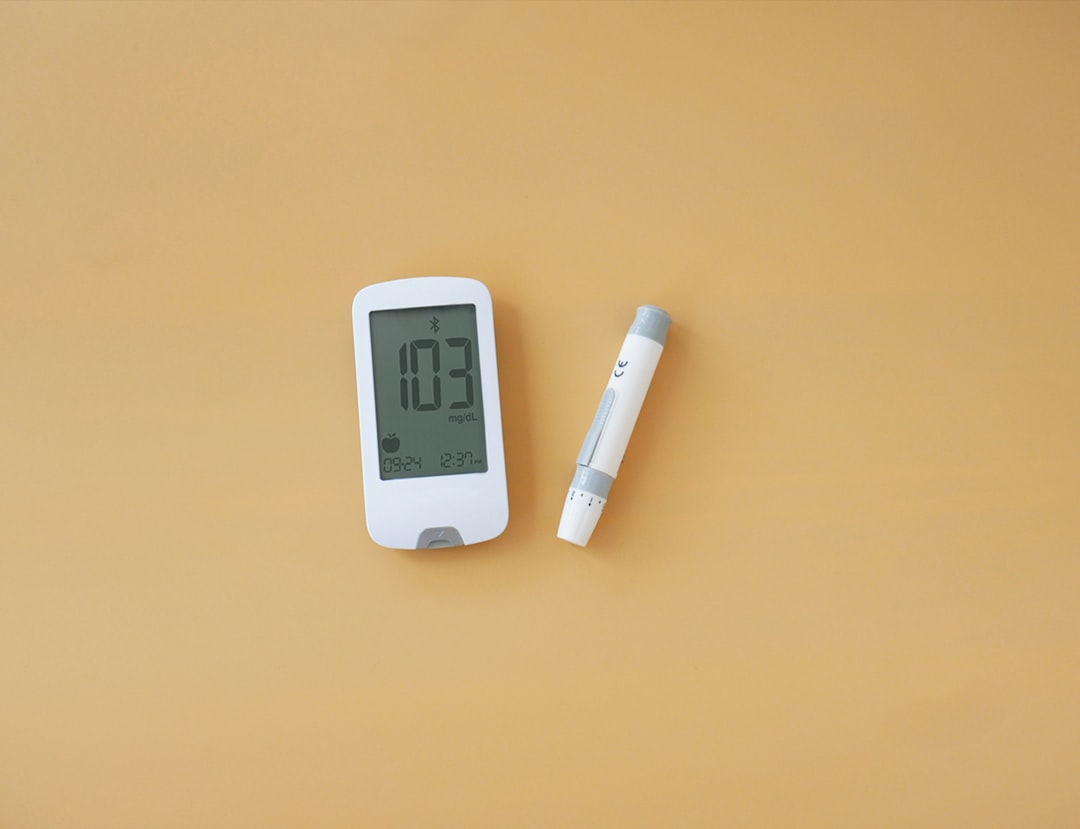
Photo: Unsplash / isens usa
Always talk with your doctor or pharmacist before adding any blood sugar supplement. The real win is data plus a professional reading it with you.
5. Beyond Diet and Exercise: Tiny Daily Habits for Consistently Stable Blood Sugar
✅ Key points
- Enough protein each meal.
- Prioritize good sleep.
- Stack new habit onto routine.
The habits that last are tiny and tied to things you already do — protein at breakfast, a walk after dinner, water before snacks.
Aim for enough protein at each meal to protect muscle, since muscle is your long-term glucose buffer.
Photo: Pixabay / Alexandra_Koch
Prioritize sleep, too; one short night can raise next-day readings.
Stack one new habit onto an existing routine and let it ride for two weeks before adding the next.
When to see a doctor
- Frequent thirst, urination, or unexplained weight loss
- Fasting glucose repeatedly above your target range
- Blurred vision, tingling feet, or slow-healing sores
- Sudden shakiness, confusion, or sweating (possible low blood sugar)
Wrap-up
Blood sugar management isn't about perfection — it's about a few smart, repeatable moves: eat carbs last, walk in the post-meal window, protect your muscle, and watch your own numbers.
This takeaway sums it up: blood sugar management for seniors works best with food order, post-meal walks, enough protein, and your doctor's guidance.
One thing to do today? Take a 15-minute walk after your next meal — your numbers may thank you.
✅ Your checklist for today
☐ Eat veggies and protein before carbs at one meal
☐ Take a 15-minute walk after your biggest meal
☐ Log today's readings in a glucose app
☐ Add a protein source to breakfast
☐ Set a consistent bedtime for better sleep
Frequently asked questions
Q. What are normal blood sugar levels for seniors?
A. General targets are often around 80-130 mg/dL fasting and under 180 mg/dL after meals, but ranges are personal.
Older adults sometimes have slightly relaxed goals — ask your doctor for your numbers.
Q. How can I lower blood sugar quickly and safely?
A. A short post-meal walk and plenty of water may help in the moment, but there's no instant fix.
For consistently high readings, contact your doctor rather than trying to force them down.
Q. Do blood sugar supplements or pills really work?
A. Some, like berberine, show modest effects in studies, but results vary and they aren't a substitute for prescribed medication.
Talk with your doctor before trying any, since they can interact with your drugs.
If this was helpful, please follow and share . Questions? Leave a comment below!
Helpful products
These items may be helpful in daily life; individual results may vary.
Blood Sugar Management supplement on Amazon › Blood Sugar Management for seniors on Amazon ›As an Amazon Associate, I earn from qualifying purchases.
#bloodsugarmanagement #diabetescare #healthylifestyle #bloodsugarcontrol #glucosetracker #prediabetes #seniorhealth #olderadults
🔗 You may also like
• Blood Sugar After 60: 5 Simple Habits That May Help You Feel Steady All Day• Seniors: Banish 'Tech Neck' in 10 Minutes a Day — The Timing Trick Most People Get Backward• Winter Blood Pressure and Heart: 5 Cold-Weather Habits That Could Save Your Life🌐 ReyB Network
▶ Watch more senior-health videos on ReyB Health Lab YouTube.
🔗 All links & recommended products📚 Trusted sources to learn more
For more, see trusted sources such as the CDC and the Mayo Clinic.
📝 About this article
'ReyB Health Notes' explains trusted public health information in plain language for seniors. (Reviewed June 2026)
This article is general health information and is not a substitute for diagnosis or treatment. If you have symptoms or concerns, please consult a medical professional.
Comments
Post a Comment