Winter Blood Pressure and Heart: 5 Cold-Weather Habits That Could Save Your Life
💡 Key Takeaways
- Cold weather raises blood pressure; monitor closely.
- Avoid sudden temperature changes to protect your heart.
- Know heart attack, stroke signs; act fast to save life.

Picture this: you step out of your warm apartment to grab the morning paper or catch the early bus, and that first blast of cold air hits your face like a slap.
Your heart skips, your shoulders tense, and you pull your coat tighter.
That sudden chill isn't just uncomfortable for your blood pressure and heart, it can be a real wake-up call.
As we get older, cold weather puts extra strain on the heart, and the winter months see more heart attacks and strokes than any other season.
The good news?
A few simple habits can help protect you.
Let's walk through what every senior should know.
📑 Contents
1. Why Cold Weather Raises Your Blood Pressure
✅ Key points
- Cold narrows blood vessels.
- Heart pushes harder.
- Raises blood pressure noticeably.
When you're exposed to cold, your blood vessels narrow to keep your body warm—a natural reaction called constriction.
But narrower vessels mean your heart has to push harder, which can raise your blood pressure noticeably in winter.
Photo: Unsplash / Daniel Bernard

Many people who have well-controlled numbers in summer find their readings climb several points once the temperature drops.
This is so common that doctors have a name for it: winter hypertension.
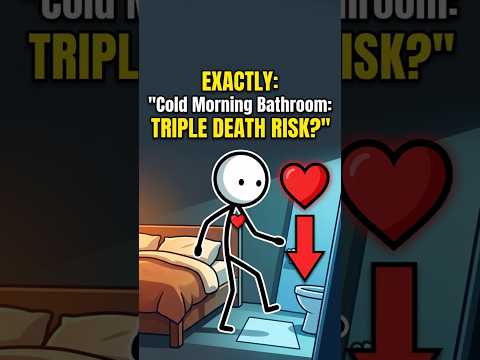
💡 Warm the bathroom before bathing to avoid temperature shock.
2. The 'Temperature Shock' Danger Zone
✅ Key points
- Rapid temperature change risky.
- Causes blood pressure swings.
- Warm up gradually.
One of the riskiest moments is going suddenly from a warm room into the cold—or stepping from a cold bathroom into a hot shower.

Photo: Pexels / SHVETS production
This rapid change, sometimes called temperature shock, can cause your blood pressure to swing quickly and stress your heart.
Older adults are especially sensitive because our bodies adjust to temperature changes more slowly.
Try to warm up gradually instead of facing sharp swings.
3. Heart Attack Warning Signs Not to Ignore
✅ Key points
- Watch for chest pressure.
- Pain to arm, jaw, or back.
- Call for help right away.
Cold weather can trigger chest discomfort even during light activity like walking or shoveling.
Pay attention to chest pressure, pain spreading to the arm, jaw, or back, unusual shortness of breath, or breaking into a cold sweat.
Photo: Unsplash / Marek Studzinski

Women and people with diabetes may feel less obvious symptoms, such as sudden fatigue or nausea.
If something feels wrong, don't wait it out—call for help right away.
4. Stroke Prevention When the Mercury Drops
✅ Key points
- Stay on your medications.
- Keep hydrated always.
- Learn the FAST signs.
Higher winter blood pressure also raises the risk of stroke, so prevention matters more in cold months.
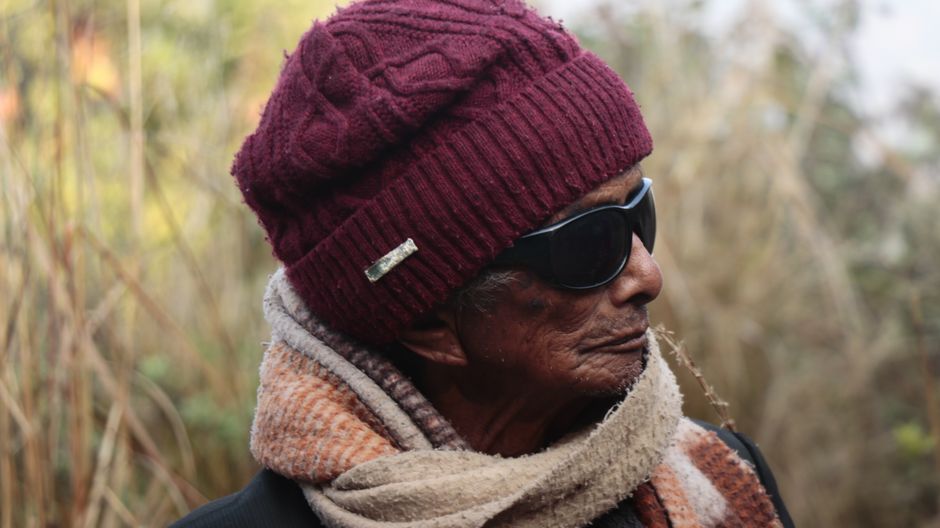
Photo: Pexels / Zomlien Neihsiel
Stay on top of your medications, keep hydrated even when you don't feel thirsty, and limit very salty winter comfort foods that can push your numbers up.
Learn the FAST signs of stroke: Face drooping, Arm weakness, Speech difficulty, and Time to call emergency services.
Acting fast can make all the difference.
5. Simple Daily Habits That Protect Your Heart
✅ Key points
- Dress in warm layers.
- Warm up indoors first.
- Check BP at home regularly.
Dress in warm layers and don't forget a hat, gloves, and scarf, since we lose heat quickly from the head and hands.
Warm up indoors before heading out, and avoid sudden heavy exertion in the cold morning air.
Photo: Unsplash / Riccardo Mion

Keep moving with gentle indoor activity to support circulation, and check your blood pressure at home regularly.
These small steps, done consistently, may help keep your heart steadier all winter long.
When to see a doctor
- Chest pain or pressure that lasts more than a few minutes or comes back
- Sudden weakness, drooping face, or slurred speech (possible stroke)
- Home blood pressure readings staying unusually high despite your medication
- Shortness of breath, dizziness, or a cold sweat with light activity
Wrap-up
Winter doesn't have to be hard on your heart.
By staying warm, avoiding sudden temperature swings, watching for warning signs, and keeping up with your medicines and home blood pressure checks, you give your heart the support it needs.
None of these steps replace your doctor's advice, so bring your questions and your readings to your next visit. Small, steady habits today can help you enjoy a safer, healthier winter.
✅ Your checklist for today
☐ Check your blood pressure at home and write down the number
☐ Wear a hat, gloves, and scarf before stepping outside
☐ Warm the bathroom before bathing
☐ Drink a glass of water even if you're not thirsty
☐ Take all heart and BP medicines on time
Frequently asked questions
Q. Is it normal for my blood pressure to be higher in winter than in summer?
A. Yes, a seasonal rise is very common because cold weather narrows your blood vessels.
Still, share your winter readings with your doctor, since your medication may need a small adjustment to keep you in a safe range.
Q. Is morning exercise outdoors safe in cold weather?
A. Morning cold combined with exertion can stress the heart, so warm up indoors first and start gently.
If it's very cold, consider exercising indoors or later in the day, and always check with your doctor about what's right for you.
Q. Does a hot bath help or hurt my heart in winter?
A. A warm bath can feel soothing, but going from a cold room into very hot water causes sharp blood pressure swings.
Warm the bathroom first, keep the water comfortably warm rather than hot, and get out slowly to avoid dizziness.
If this was helpful, please follow and share . Questions? Leave a comment below!
Helpful products
These items may be helpful in daily life; individual results may vary.
Blood pressure monitor on Amazon › Fleece scarf gloves set on Amazon › Thermal socks on Amazon ›As an Amazon Associate, I earn from qualifying purchases.
#WinterHeartHealth #BloodPressure #SeniorHealth #HeartAttackSigns #StrokePrevention #ColdWeatherHeart #WinterHypertension #HealthyAging
📚 Trusted sources to learn more
For more, see trusted sources such as the CDC and the American Heart Association.
📝 About this article
'ReyB Health Notes' explains trusted public health information in plain language for older adults (50s–70s). (Reviewed June 2026)
This article is general health information and is not a substitute for diagnosis or treatment. If you have symptoms or concerns, please consult a medical professional.
Comments
Post a Comment