Why You're Still Tired After 8 Hours: Sleep Changes After 50 and What May Actually Help
Key Takeaways
- Why Sleep Changes in Your 50s and 60s (It's Not Just 'Getting Older')
- Natural Remedies for Insomnia That Have Real Science Behind Them
- The One Simple Habit Change That Makes the Biggest Difference

You slept eight hours. You even went to bed early.
But you woke up feeling like you barely closed your eyes and now you're staring at your coffee, begging it to work faster. Sound familiar?
Trouble falling asleep at night. Waking up tired after 8 hours of sleep. Lying awake at 2 a.m. for no reason at all.
These are among the most common complaints doctors hear from adults in their 50s, 60s, and 70s
. And here's what most people never realize: the problem usually isn't that you're sleeping less.
It's that your sleep architecture changes as you age — so the quality of each hour quietly shifts, often without you noticing.
By the end of this article, you'll understand why that happens and which natural approaches may genuinely help improve your sleep (with exact timing — not just 'try chamomile tea').
Think melatonin always helps? Not so fast. There's a right time and dose to take it, and a wrong one. And the biggest surprise?
One simple habit change that sleep researchers say matters more than almost anything else. It's waiting for you in section 3 and it's probably not what you expect.
Contents
- Why Sleep Changes in Your 50s and 60s (It's Not Just 'Getting Older')
- Natural Remedies for Insomnia That Have Real Science Behind Them
- The One Simple Habit Change That Makes the Biggest Difference
- The 3 Sleep Mistakes Most Adults Over 50 Don't Realize They're Making
- Sleep Apnea and Restless Legs: The Hidden Causes of Fatigue Worth Asking Your Doctor About
1. Why Sleep Changes in Your 50s and 60s (It's Not Just 'Getting Older')
✅ Key points
- Deep sleep drops 50%
- Melatonin declines with age
- Rhythm shifts earlier
Wake up at 3 a.m. wide-eyed, even after going to bed late? Drag through the afternoon despite what felt like enough hours?
Here is the real reason and it is not simply stress or 'getting older.' After 50, your internal body clock shifts earlier, and your deep sleep — the stage that actually repairs tissue, consolidates memory, and leaves you feeling genuinely rested — can drop by as much as 50% compared to your 30s.
Your brain also produces less melatonin, so the nightly signal to wind down arrives weaker and later than it used to.
Here is the trap most people fall into: staying up later to 'fix' early waking almost always backfires.
Because your clock has already shifted earlier, pushing bedtime back puts your body out of sync — you end up feeling wired and exhausted at the same time, which is the classic 'why can't I sleep even when I'm tired' cycle.
Daytime sleepiness in older adults is rarely just about total hours; it is about how much of that deep, restorative sleep you are actually getting.
Photo: Unsplash / bruce mars

One more thing worth knowing: sleep apnea tends to surface or quietly worsen in this decade, stealing deep sleep night after night while leaving no obvious clues.
Understanding what is driving your sleep changes is your real starting point — because once you know what your body is actually doing, the right approaches become much clearer.
The goal is not to sleep like you did at 35. It is to work with your biology instead of against it.

2. Natural Remedies for Insomnia That Have Real Science Behind Them
✅ Key points
- Low-dose melatonin works
- Magnesium with dinner
- Lavender before bed
Have you ever wondered why your sleep supplement doesn't seem to be working?
The answer might be on the label. Research on melatonin for sleep consistently shows it works best at low doses — 0.5 to 1 mg taken 30 to 60 minutes before your target bedtime.
Yet most store brands sell 5 to 10 mg tablets. The surprising truth: higher doses may actually interfere with your body's own melatonin production over time.
Less is genuinely more here, and that single switch is one of the most overlooked adjustments older adults can make.
Magnesium glycinate is another option worth a conversation with your doctor.
Some research links low magnesium levels to both difficulty staying asleep and restless legs symptoms, and a dose of 200 to 400 mg taken with dinner is generally well tolerated — though always check with your physician first, especially if you take other medications.
Among the best-studied essential oils for sleep, lavender has the most consistent research support: add a few drops to a diffuser about 20 to 30 minutes before bed (never apply undiluted essential oils directly to skin).
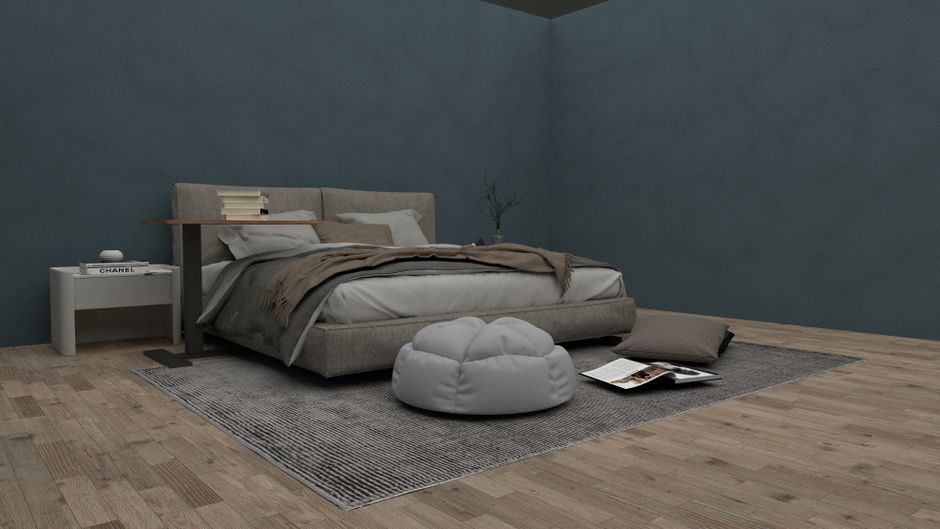
Photo: Pexels / Pușcaș Adryan
One important note: these are supportive tools that work alongside good sleep habits, not replacements for a proper medical evaluation.
If you have been struggling for more than two or three weeks, something structural may be at play that no supplement can address on its own.
Talk to your doctor — that conversation is the most actionable step you can take. Which of these will you bring up at your next appointment?
3. The One Simple Habit Change That Makes the Biggest Difference
✅ Key points
- Same wake time daily
- Morning light within 30min
- Cool bedroom 65–68°F
Sleep hygiene gets a bad reputation because the advice usually sounds obvious — but the details most people miss are what actually make it work.
Take consistent wake time, for example. Waking up at the same hour every day (yes, weekends included) is the single highest-leverage habit on any sleep hygiene checklist, according to sleep researchers.
It is not about when you fall asleep — a steady wake time anchors your circadian rhythm far more powerfully than any bedtime routine ever will.
Light exposure is the second underrated lever. Getting 10 to 15 minutes of bright natural light within 30 minutes of waking — stepping outside, sitting by an open window, or taking a short walk — tells your brain clock that morning has started and naturally shifts your evening sleepiness to the right time.
The flip side matters just as much: blue light from phones and tablets after 8 p.m. suppresses melatonin for roughly 90 minutes.
That is not a vague warning — 90 minutes is the measured delay documented in multiple studies, and it applies whether you are 35 or 75.
Photo: Unsplash / Annie Spratt

The third habit surprises most people: keeping your bedroom slightly cool — around 65 to 68°F (18 to 20°C) — is not just a comfort preference.
Your core body temperature needs to drop by about 2°F to initiate sleep, and a cool room supports that process measurably.
Most bedrooms run too warm. A simple thermostat adjustment tonight may do more for your sleep than weeks of supplements ever could.
Pick just one of these three changes to start with — even a small shift can make your nights noticeably better.
Helpful products
These items may be helpful in daily life; individual results may vary.
Sleep supplement on Amazon ›As an Amazon Associate, I earn from qualifying purchases.
4. The 3 Sleep Mistakes Most Adults Over 50 Don't Realize They're Making
✅ Key points
- Apnea = hidden fatigue
- RLS affects 10–15%
- Home sleep tests available
Imagine waking up exhausted after a full eight hours — every single morning. For many adults over 55, that frustrating cycle has nothing to do with poor sleep habits.
The two causes doctors find most commonly overlooked in older adults are sleep apnea and restless legs syndrome, and both can quietly rob you of restorative rest while leaving your nightly routine looking perfectly normal.
Consider a 70-year-old retiree who has felt tired for years and assumed it was simply part of getting older — until a doctor finally identified sleep apnea.
Sleep apnea symptoms in adults often don't look like the dramatic gasping most people imagine.
Instead, they can show up as waking with a dry mouth, mild morning headaches, or a persistent daytime sleepiness that no amount of coffee relieves.
If that sounds familiar, it is worth taking seriously.

Photo: Pexels / Nixon Johnson
Restless legs syndrome — that crawling, uncomfortable urge to move your legs just as you are drifting off — affects roughly 10 to 15% of older adults and is frequently under-reported because people assume it is just a normal part of aging.
It is not. Relief may come from iron supplementation if blood levels are low, reducing caffeine, or specific treatments — but it starts with telling your doctor, because most cases go undiagnosed for years.
A sleep study is far less intimidating than it sounds — many are now done at home with a simple wrist device — and it can genuinely improve your quality of life.
If either of these conditions sounds familiar, this is one area where self-help has clear limits. Professional evaluation is absolutely the right call.
5. Sleep Apnea and Restless Legs: The Hidden Causes of Fatigue Worth Asking Your Doctor About
✅ Key points
- 7–8 hours, consistent
- 45-min wind-down routine
- No alcohol 2–3hrs before bed
You wake exhausted after eight hours in bed. You drag through afternoons no matter how early you turned in.
You have blamed stress, aging, or 'just how things are now.'
But for millions of adults over 50, the real culprits have names: sleep apnea and restless legs syndrome — two conditions that can quietly undermine deep, restorative sleep night after night, and that doctors frequently miss because patients never connect their daytime fatigue to what happens after lights out.
Sleep apnea causes your airway to partially or fully close during sleep, briefly rousing your brain dozens of times per hour — briefly enough that you rarely remember it, but long enough to fragment the deep sleep older adults already get less of.
Common signs include loud snoring, gasping or choking sounds a partner notices, waking with a dry mouth or headache, and persistent daytime sleepiness that extra hours in bed cannot fix.
Because these episodes happen while you are unconscious, it is easy to dismiss the symptoms as 'just aging.' It is worth raising directly with your doctor: 'Could interrupted breathing be behind my fatigue?'
Untreated sleep apnea is associated with high blood pressure, heart strain, and memory difficulties — all conditions worth addressing.
Restless legs syndrome is the other frequently overlooked cause. It creates an overwhelming urge to move your legs the moment you lie down or sit still — often described as a crawling, tingling, or deep itch that movement briefly relieves.
Because the sensation eases when you get up and walk, many people never mention it to a doctor, assuming it is a quirk rather than a diagnosable, treatable condition.
RLS is more common in adults over 50 and can be triggered or worsened by low iron levels, certain blood pressure medications, or kidney changes — all worth a simple blood test to rule out.
Photo: Unsplash / Ashkan Forouzani

What may actually help?
For sleep apnea, sleeping on your side instead of your back can meaningfully reduce mild episodes, and a formal sleep study — now often done with a small home monitor rather than an overnight clinic stay — confirms the diagnosis and opens the door to CPAP therapy, which many users say noticeably improves how they feel within weeks.
For restless legs, a warm bath and gentle leg stretches before bed ease symptoms for many people; if an iron deficiency is found, correcting it sometimes resolves the condition entirely.
Avoiding alcohol and large meals within two to three hours of bedtime is worth noting for both conditions, since alcohol suppresses the deep sleep stages where your body does its heaviest repair work — which is why a glass of wine with dinner can mean waking wide-eyed at 3 a.m.
A consistent wake time — the same hour every morning regardless of when you fell asleep — remains the single most practical free tool sleep researchers recommend for stabilizing your sleep pattern after 50.
Set your alarm for the same time tomorrow and hold it. But if you are already doing everything right and still waking unrefreshed, don't settle for that.
Bring this article to your next appointment and ask specifically about sleep apnea and restless legs. Reclaiming real rest starts with identifying the right cause.
When to see a doctor
- You regularly wake up tired even after 7–8 hours of sleep, and it's been more than 3–4 weeks
- Your partner notices you snoring loudly, gasping, or stopping breathing during sleep
- You have a persistent uncomfortable urge to move your legs at night that disrupts your sleep
- You've tried sleep hygiene changes for several weeks with no improvement, or you rely on sleep aids most nights
Helpful products
These items may be helpful in daily life; individual results may vary.
Sleep for seniors on Amazon ›As an Amazon Associate, I earn from qualifying purchases.
Wrap-up
Sleep isn't a luxury. It's the foundation that holds up everything else — your energy, your memory, your mood, and your long-term health.
If you've been struggling to fall asleep at night or dragging yourself through the day after waking up tired, hear this clearly: it isn't just 'part of getting older.'
Many of these patterns can be improved with the right information and, when needed, the right medical support.
So start with one thing today: set your wake time and keep it — even on weekends. That single anchor may do more for your sleep than anything else on this list.
And if something feels off — loud snoring, restless legs, or exhaustion that never lifts — please don't shrug it off.
Talk with your doctor. Better sleep is genuinely possible at any age. Meta description: Waking up tired after 8 hours?
Learn the most important sleep habit for adults over 50, why sleep quality changes with age, which natural approaches may help, and what conditions like sleep apnea and restless legs could mean for your rest — all explained clearly and practically.
✅ Your checklist for today
☐ Set one consistent wake time and keep it tomorrow — even if you slept badly tonight
☐ Get 10–15 minutes of natural light within 30 minutes of waking up
☐ Drop your bedroom thermostat to 65–68°F (18–20°C) before bed tonight
☐ Put your phone in another room (or use Night Shift/blue-light filter) by 8 p.m.
☐ If you suspect sleep apnea or restless legs, write down your symptoms and bring them to your next doctor's visit
Frequently asked questions
Q. Is waking up at 3 a.m. every night normal for older adults?
A. Waking briefly during the night becomes more common after 50 because sleep cycles get lighter with age — that part is normal.
But waking up fully at 3 a.m. and being unable to fall back asleep for 30+ minutes most nights isn't something you just have to accept. It's often linked to sleep apnea, blood sugar dips, or disrupted circadian rhythm, and is worth discussing with your doctor if it's affecting your daytime energy.
Q. Does melatonin actually work for insomnia in seniors, and when should I take it?
A. Melatonin may help with falling asleep, particularly if your issue is sleep onset rather than staying asleep.
The key detail most people miss: low doses (0.5–1 mg) taken 30–60 minutes before your target bedtime tend to work better than the high-dose supplements commonly sold in stores.
It's generally considered safe for short-term use, but talk with your doctor before starting, especially if you take blood thinners or diabetes medications.
Q. Why do I feel exhausted all day even when I sleep enough hours?
A. Waking up tired after 8 hours of sleep usually points to poor sleep quality rather than duration — meaning you're getting enough hours but not enough of the deep, restorative sleep stages.
The most common culprits are undiagnosed sleep apnea (which fragments your sleep without waking you fully), restless legs syndrome, or a bedroom environment that's too warm or too bright.
A sleep study can rule out the medical causes, and it's often far simpler than people expect.
If this was helpful, please follow and share. Questions? Leave a comment below!
#SleepHealth #BetterSleep #InsomniaRelief #SleepTips #RestfulSleep #SleepWell #SeniorHealth #SleepApnea
🔗 You may also like
• Healthy Diet After 50: 5 Simple Rules That Actually Work (The Meal Order Trick Changes Everything)• Aching Knees and Stiff Hands After 50? The Surprising Joint Pain Relief That Actually Works• Sleep Blood Pressure: The Hidden Heart Risk 60% of Seniors Ignore (Why Night Readings Matter More)🌐 ReyB Network
▶ Watch more senior-health videos on ReyB Health Lab YouTube.
🔗 All links & recommended products📚 Trusted sources to learn more
For more, see trusted sources such as the CDC and the Mayo Clinic.
📝 About this article
'ReyB Health Notes' explains trusted public health information in plain language for seniors. (Reviewed July 2026)
This article is general health information and is not a substitute for diagnosis or treatment. If you have symptoms or concerns, please consult a medical professional.
Comments
Post a Comment