Anti-Inflammatory Diet for Seniors: The One Timing Trick to Soothe Aches (and Which Foods Actually Help)
Anti-Inflammatory Diet for Seniors: The One Timing Trick to Soothe Aches (and Which Foods Actually Help)
💡 Key Takeaways
- Walk 15-30 minutes after meals to blunt blood sugar.
- Eat fatty fish, olive oil, leafy greens, berries, walnuts/beans.
- Diet eases low-grade inflammation, not a cure.

Ever wake up with stiff, achy knees that make getting out of bed feel like a marathon, then deal with a rumbling, sluggish gut after dinner?
Here's a number that surprised me: nearly 3 in 4 older adults live with some daily ache they assume is 'just age.' Often it's quiet, low-grade inflammation—and your morning bagel and coffee may be feeding it.
Here's the takeaway first: an anti-inflammatory diet won't cure anything, but research suggests it may help ease the low-grade inflammation linked to stiff joints, sluggish digestion, and that all-over 'blah' feeling many older adults notice.
Picture this—you're standing in your kitchen, eyeing the fridge, unsure what actually helps.
Stay with me, because the single most overlooked timing trick (it's shockingly simple, yet most people miss it) is near the end, and it radically changes how your body responds to a meal.
By the time you finish, you'll have a 5-item food list, a today checklist, and one common anti-inflammatory diet myth busted—all from just a few simple swaps for better senior health.
📑 Contents
- What Is an Anti-Inflammatory Diet (for Beginners)?
- Your 5-Item Anti-Inflammatory Diet Food List That Actually Helps (No Expensive Gimmicks)
- Anti-Inflammatory Diet for Arthritis and Gut Health in Older Adults
- A Simple Anti-Inflammatory Diet Meal Plan and Recipes
- The Timing Trick Most People Miss—and the Common Myth It Debunks
1. What Is an Anti-Inflammatory Diet (for Beginners)?
✅ Key points
- Eat whole, colorful foods.
- Limit processed, sugary snacks.
- Start with one food swap.
Stiff joints at breakfast. Sluggish digestion.
That persistent low-grade achiness that no one warned you about. Sound familiar?
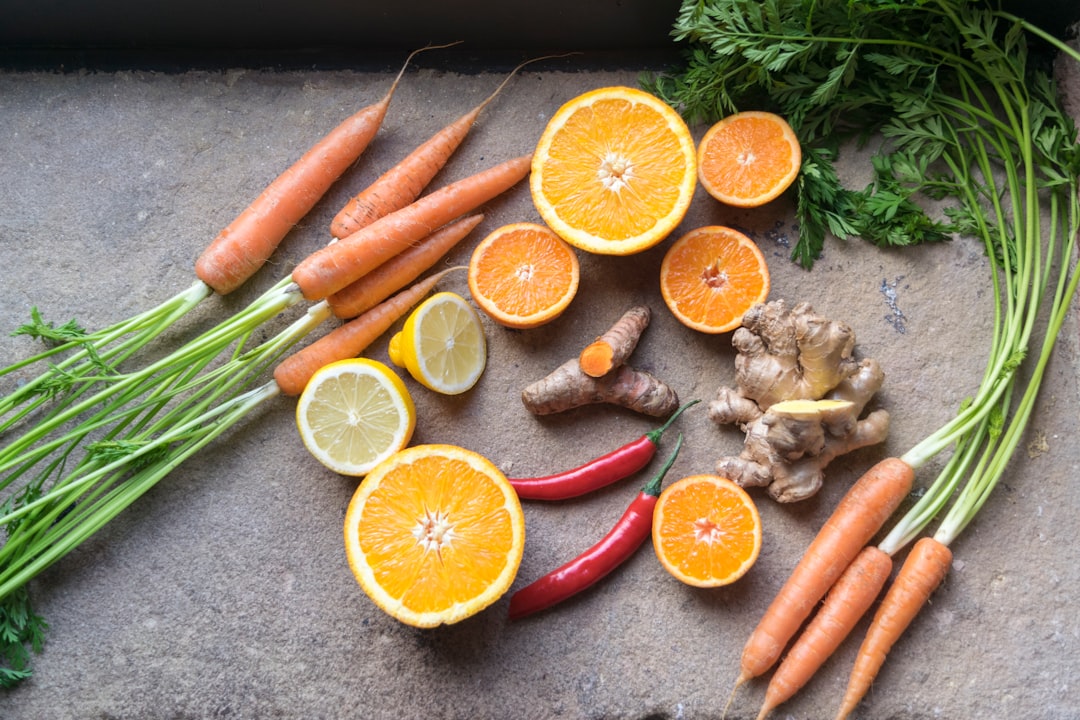
Photo: Unsplash / Josh Millgate
Chronic inflammation is the slow-burning 'background noise' your body produces that researchers have linked to arthritis pain, heart trouble, and gut issues as we age—and it affects far more older adults than most people realize.
An anti-inflammatory diet is simply an eating pattern that leans on whole foods known to quiet that noise: colorful vegetables, berries, fatty fish, olive oil, nuts, and beans, while easing back on ultra-processed snacks, sugary drinks, and heavily fried foods.
No strict rules. No weigh-ins.
The best news for beginners: you do not overhaul everything at once. Pick just one colorful food to add to your plate today—that single swap is how lasting change actually starts.
💡 always working alongside, never replacing, your doctor's guidance.

2. Your 5-Item Anti-Inflammatory Diet Food List That Actually Helps (No Expensive Gimmicks)
✅ Key points
- Target fish twice weekly.
- Include olive oil, leafy greens.
- Eat daily handful of nuts.
Forget the pricey powders. The strongest evidence for older adults points to five affordable staples: fatty fish like salmon or sardines (loaded with omega-3s), extra-virgin olive oil, leafy greens, mixed berries, and walnuts or beans.

Photo: Pixabay / kropekk_pl
A practical target many nutrition experts mention is fish about 2 times a week and a small daily handful of nuts—roughly 1 ounce.
Here is what most people miss: omega-3 fats and plant polyphenols may help dial down the chemical messengers that drive inflammation in joints and arteries.
But a single 'superfood' will not rescue you—it is the steady pattern across weeks that moves the needle for senior health.
Your easy win this week: toss a handful of walnuts onto your morning oatmeal and notice how satisfied you feel by lunch.
3. Anti-Inflammatory Diet for Arthritis and Gut Health in Older Adults
✅ Key points
- May reduce joint stiffness.
- Fiber aids gut bacteria.
- Increase fiber gradually, with water.
Two of the top concerns we hear from older adults: creaky, painful joints and unpredictable digestion.
For arthritis, an anti-inflammatory eating pattern may help reduce everyday stiffness and the reliance some people have on over-the-counter pain relievers—always working alongside, never replacing, your doctor's guidance.

Photo: Pexels / Tima Miroshnichenko
For gut health, fiber-rich foods feed friendly gut bacteria, which produce compounds that may calm inflammation from the inside out, leaving you feeling lighter and more energetic day to day.
A simple goal backed by dietitians: work toward 25-30 grams of fiber a day, building up gradually so your stomach has time to adjust.
The order matters—add fiber slowly with plenty of water, or you risk trading one discomfort for another. What high-fiber food will you try first this week?
4. A Simple Anti-Inflammatory Diet Meal Plan and Recipes
✅ Key points
- Plate: half veggies, quarter protein.
- Quarter plate whole grains.
- Avoid detox powders/teas.
The easiest anti-inflammatory diet meal plan for older adults keeps it refreshingly simple on purpose: half your plate vegetables, a quarter lean protein or fish, a quarter whole grains, finished with a drizzle of olive oil and a few nuts or berries. Breakfast might be oatmeal with walnuts and blueberries; lunch a bean-and-greens salad with lemon olive oil dressing; dinner baked salmon with roasted vegetables.

Photo: Unsplash / National Cancer Institute
No complicated recipes, no expensive 'detox' kits—and here is the one myth you must drop right now: there is no special tea or powder that 'flushes out' inflammation. What actually works for senior health?
Build repeatable, affordable meals you will genuinely look forward to eating, day after day. Start by planning just three dinners this week using these ingredients.
5. The Timing Trick Most People Miss—and the Common Myth It Debunks
✅ Key points
- Walk 15-30 mins after meals.
- Blunts blood sugar spikes.
- More effective than later walks.
Here is the underrated payload that almost no one talks about: a short 15-30 minute walk after meals may help blunt the blood sugar spikes that quietly feed chronic inflammation—and research suggests it works significantly better than the same walk taken hours later.
The reason is straightforward: gentle movement right after eating helps your muscles soak up glucose before it surges through your bloodstream.

Photo: Pixabay / PrintOnDemandLibrary
Pair that habit with avoiding heavy eating late into the evening, giving your body a longer overnight rest from digesting. The myth this debunks?
That managing inflammation requires dramatic, exhausting overhauls. For older adults focused on senior health, small well-timed daily habits—a post-dinner stroll, a fiber-rich breakfast, a handful of walnuts—consistently outperform the all-or-nothing approaches that burn out fast.
Try the walk tonight and see how you feel tomorrow morning.
When to see a doctor
- Joint pain, swelling, or stiffness that keeps worsening despite diet changes
- Unexplained weight loss, ongoing fatigue, or low-grade fever
- Persistent digestive problems—diarrhea, blood in stool, or constant bloating
- You take blood thinners or diabetes/heart medication and want to change your diet significantly
Wrap-up
This isn't about perfection; it's about smart, sustainable choices that help you reclaim your comfort. So start with just one thing today: take that 15-minute walk after dinner—small, doable, and surprisingly powerful.
This anti-inflammatory diet for seniors is about steady, affordable habits that work best alongside your doctor's advice.
Quick summary: an anti-inflammatory diet for older adults emphasizes fish, vegetables, berries, and post-meal walks that may help ease inflammation, joint stiffness, and gut discomfort over time.
What's your one choice today? Share this with someone who deserves to feel better too.
✅ Your checklist for today
☐ Add one serving of fatty fish or beans to a meal today
☐ Swap a sugary drink for water or unsweetened tea
☐ Take a 15-minute walk within 30 minutes after dinner
☐ Toss a handful of berries or walnuts into breakfast
☐ Fill half your dinner plate with vegetables
Frequently asked questions
Q. Can an anti-inflammatory diet help with weight loss?
A. It may help, since it favors filling whole foods over processed snacks, but it's not a quick weight-loss scheme. Focus on the pattern, portion sizes, and after-meal walks, and check with your doctor before any big change.
Q. How fast will I feel a difference?
A. It varies—some people notice less bloating or stiffness in a few weeks, others longer. Inflammation builds slowly, so give it consistent time rather than expecting overnight results, and track how you actually feel.
Q. Do I need expensive supplements or special books?
A. No. Most benefit comes from everyday foods on the list—fish, olive oil, vegetables, berries, beans. Free reliable guides exist, so save your money for groceries and talk with your doctor before adding any supplement.
If this was helpful, please follow and share . Questions? Leave a comment below!
Helpful products
These items may be helpful in daily life; individual results may vary.
Anti-Inflammatory Diet supplement on Amazon › Anti-Inflammatory Diet for seniors on Amazon ›As an Amazon Associate, I earn from qualifying purchases.
#antiinflammatorydiet #inflammationrelief #healthyeating #guthealth #antiinflammatoryfoods #wellnessjourney #seniorhealth #olderadults
🔗 You may also like
• Seniors: Banish 'Tech Neck' in 10 Minutes a Day — The Timing Trick Most People Get Backward• Gastritis Diet: 5 Smart Eating Moves for Seniors• Foods That Lower Cholesterol: 5 Smart Picks After 50🌐 ReyB Network
▶ Watch more senior-health videos on ReyB Health Lab YouTube.
🔗 All links & recommended products📚 Trusted sources to learn more
For more, see trusted sources such as the CDC and the Mayo Clinic.
📝 About this article
'ReyB Health Notes' explains trusted public health information in plain language for seniors. (Reviewed June 2026)
This article is general health information and is not a substitute for diagnosis or treatment. If you have symptoms or concerns, please consult a medical professional.
Comments
Post a Comment