Protein Foods for Seniors: Beat Muscle Loss Easily
💡 Key Takeaways
- After 50, muscle loss quietly begins; protein can slow it.
- Aim for 25-30 grams of protein per meal.
- Spread protein intake throughout the day, starting at breakfast.

Here's the core takeaway: protein foods for seniors aren't just about eating more meat — it's about how much, how often, and when you eat them.
If you've noticed jars are harder to open or you're slower climbing the subway stairs, that creeping muscle loss (doctors call it sarcopenia) may be the reason.
Research suggests older adults may actually need more protein per meal than younger folks to spark the same muscle repair.
The good news? Simple foods like eggs and beans, spread smartly across your day, can make a real difference. Let's get into the part most people miss.
📑 Contents
1. Why Muscle Loss Sneaks Up on Older Adults
✅ Key points
- Lose 1-2% muscle after 50.
- Body 'deaf' to protein with age.
- Timing protein is crucial.
After 50, you can quietly lose around 1-2% of muscle each year, and most people never feel it happening until something gets hard — standing from a low couch, carrying groceries up to a third-floor walkup.
Your body also becomes a bit 'deaf' to protein with age, meaning it takes a bigger dose to trigger the same muscle-building signal.
Photo: Unsplash / Becca Paul

That's why eating a tiny bit of protein here and there often isn't enough.
But here's what most people miss: timing matters as much as the total.
💡 Always check with your doctor before big diet changes.

2. How Much Protein Do Seniors Actually Need?
✅ Key points
- Target 1.0-1.2g/kg protein.
- 70-84 grams daily for 70kg.
- Eat 25-30 grams per meal.
The old guideline of about 0.8 grams per kilogram of body weight is now considered low for many older adults; experts often suggest closer to 1.0-1.2 grams per kilogram for healthy seniors.
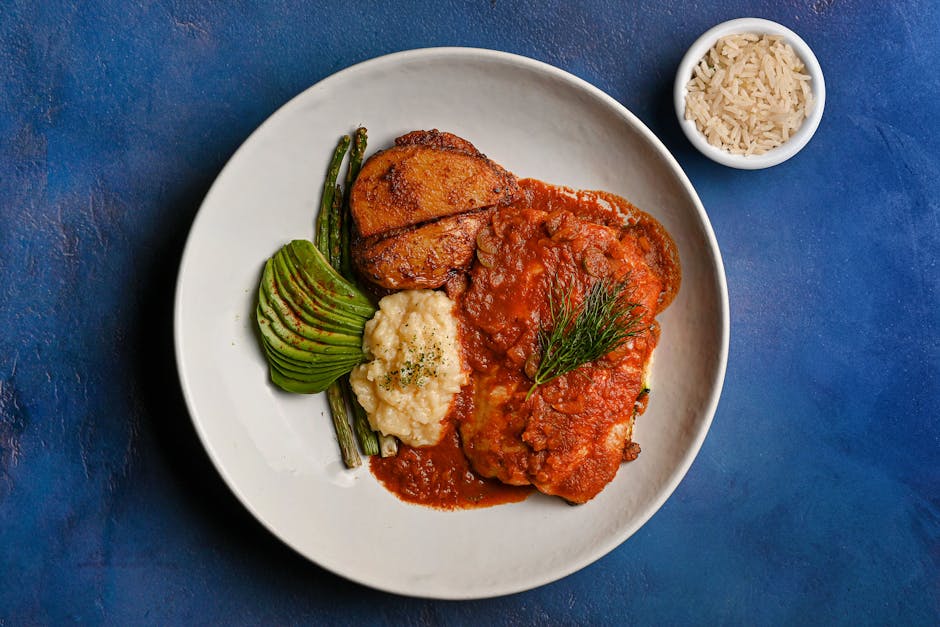
Photo: Pexels / Roken Manases
For a 70 kg (about 154 lb) person, that's roughly 70-84 grams a day.
The non-obvious trick: don't dump it all at dinner. Aim for 25-30 grams per meal, because your muscles can only use so much at once — the rest is wasted as fuel.
3. Best Protein Sources for Seniors: Eggs, Beans & Beyond
✅ Key points
- Eggs: 6g protein, easy to chew.
- Beans, lentils: protein with fiber.
- Include yogurt, fish, tofu.
Eggs are a senior superstar — one large egg gives about 6 grams of high-quality protein plus easy-to-chew softness, and despite old fears, for most people they don't meaningfully raise heart risk.
Beans and lentils bring protein with fiber that's gentle on digestion and kind to blood sugar.
Photo: Unsplash / joe boshra

Greek yogurt, fish, tofu, and poultry round out a solid lineup.
Mix plant and animal sources so you get all the building blocks your muscles crave.
4. Smart Timing: When to Eat Protein for Muscle
✅ Key points
- Eat protein at breakfast.
- Try eggs or yogurt early.
- Protein after light exercise.
Front-load breakfast — most seniors get plenty of protein at dinner but barely any in the morning, which leaves muscles 'starving' for half the day.
Try eggs or yogurt early so you hit that 25-30 gram mark before noon.

Photo: Pexels / Syed Muhammad Afifi
If you do light strength work, having some protein within a couple of hours afterward may help muscles rebuild.
One common myth: protein shakes aren't required — real food usually works just as well, and tastes better too.
5. Easy Meals and High-Protein Foods for Elderly Appetites
✅ Key points
- Choose protein-dense, easy-to-chew.
- Eat scrambled eggs, lentil soup.
- Keep boiled eggs, canned beans ready.
When appetite shrinks, every bite should count, so lean on protein-dense, easy-to-chew options: scrambled eggs with cheese, lentil soup, cottage cheese with fruit, or a tuna sandwich.
Photo: Unsplash / mohanad karawanchy

Keep ready-to-eat helpers on hand — boiled eggs, canned beans, single-serve yogurt — for days when cooking feels like too much. Adding a sprinkle of nuts or seeds quietly boosts protein without filling you up.
The takeaway: small, frequent, protein-rich snacks can quietly close the gap.
When to see a doctor
- Noticeable, unexplained weight or muscle loss over a few months
- Increasing weakness, frequent falls, or trouble rising from a chair
- Poor appetite or trouble swallowing that limits eating
- Kidney disease or other conditions before raising protein intake
Wrap-up
Muscle loss may feel inevitable, but it isn't a done deal — spreading protein foods for seniors across your day, starting at breakfast, can help you stay strong and steady for years.
Pick one tip and try it today. Summary: protein foods for seniors like eggs and beans, eaten at 25-30g per meal and spread across the day, may help slow muscle loss and support healthy aging.
Always check with your doctor before big diet changes.
✅ Your checklist for today
☐ Eat one protein food at breakfast (egg or yogurt)
☐ Aim for 25-30g protein per meal
☐ Keep boiled eggs or canned beans ready to grab
☐ Add beans or lentils to one meal today
☐ Pair a little protein with any light exercise
Frequently asked questions
Q. Can I get enough protein without eating meat?
A. Yes. Beans, lentils, tofu, eggs, dairy, and nuts can cover your needs.
Combining a few plant sources through the day helps you get all the essential building blocks your muscles use.
Q. Are protein supplements or shakes necessary for seniors?
A. Not for most people.
Whole foods usually do the job and offer extra nutrients.
Shakes can help if appetite is low or chewing is hard, but check with your doctor, especially if you have kidney concerns.
Q. Is it safe for older adults to eat eggs daily?
A. For most healthy seniors, one or two eggs a day is generally fine and a great protein source.
If you have cholesterol or heart issues, talk with your doctor about the right amount for you.
If this was helpful, please follow and share . Questions? Leave a comment below!
Helpful products
These items may be helpful in daily life; individual results may vary.
Protein powder on Amazon › Protein bars on Amazon › Whey protein on Amazon ›As an Amazon Associate, I earn from qualifying purchases.
#SeniorHealth #ProteinForSeniors #HealthyAging #NutritionForSeniors #ElderlyNutrition #MuscleHealth #SeniorNutritionTips #HealthyEating
🔗 You may also like
• Hydration for Seniors: 5 Smart Ways to Beat Dehydration in Summer📚 Trusted sources to learn more
For more, see trusted sources such as the CDC and the Mayo Clinic.
📝 About this article
'ReyB Health Notes' explains trusted public health information in plain language for older adults (50s–70s). (Reviewed June 2026)
This article is general health information and is not a substitute for diagnosis or treatment. If you have symptoms or concerns, please consult a medical professional.
Comments
Post a Comment