Healthy Drinks Instead of Water: 5 Tasty Sips Seniors Love for Better Hydration
💡 Key Takeaways
- Flavorful drinks boost hydration for seniors.
- Choose unsweetened options to avoid excess sugar.
- Consult doctor for specific hydration and health needs.

You're sitting at your favorite downtown cafe, watching the morning rush go by, and you realize the same thing you do every day: plain water just feels boring.
If you're tired of forcing down glass after glass, you're not alone.
Many older adults struggle to stay hydrated simply because water gets dull.
The good news is there are flavorful, healthy drinks instead of water that can keep you refreshed, support your body, and even make your daily routine more enjoyable.
Let's explore five senior-friendly options you can start sipping today.
📑 Contents
1. Herbal Tea: A Cozy, Caffeine-Free Favorite
✅ Key points
- Caffeine-free, good for evenings.
- Soothe digestion, ease stress.
- Counts toward daily fluids.
Herbal teas like chamomile, peppermint, and rooibos are made from herbs and flowers rather than tea leaves, so they're naturally free of caffeine (the stimulant that can keep you awake).
This makes them a gentle choice for evenings or anytime you want to relax.

Photo: Pexels / ric perin
They count toward your daily fluids and may help soothe digestion or ease stress for some people.
Brew a warm cup or chill it over ice for a refreshing change from plain water.
💡 You feel dizzy, confused, or unusually tired, which may signal dehydration.

2. Green Tea: A Light Boost With Antioxidants
✅ Key points
- Rich in antioxidants.
- Gentle caffeine lift.
- Support heart health.
Green tea is rich in antioxidants (compounds that may help protect your cells), and it offers a small amount of caffeine for a gentle lift without the jitters of coffee.
Studies suggest green tea may support heart health when enjoyed as part of a balanced diet.

Photo: Pexels / Mathias Reding
Keep it unsweetened to avoid extra sugar, and try not to drink it right before bed if caffeine affects your sleep.
One to three cups a day is a comfortable range for most people.
3. Infused Water: Flavor Without the Sugar
✅ Key points
- Add lemon, berries, mint.
- Natural flavor, no sugar.
- Easy to drink more.
If you want hydration that tastes exciting, try infusing your water with slices of lemon, cucumber, berries, or fresh mint.
This adds a hint of natural flavor without the sugar or calories found in juices and sodas.

Photo: Pexels / Ena Marinkovic
It's an easy way to drink more throughout the day, which matters because older adults often feel less thirsty even when their bodies need fluids.
Keep a pitcher in the fridge so a flavorful sip is always within reach.
4. Low-Fat Milk and Fortified Alternatives
✅ Key points
- Provides calcium, vitamin D.
- Supports bone strength.
- Choose low-fat/unsweetened.
Milk and fortified plant-based drinks like soy or almond milk hydrate you while delivering calcium and vitamin D, which support bone strength as you age.
These can be a smart choice for seniors who worry about getting enough of these nutrients.
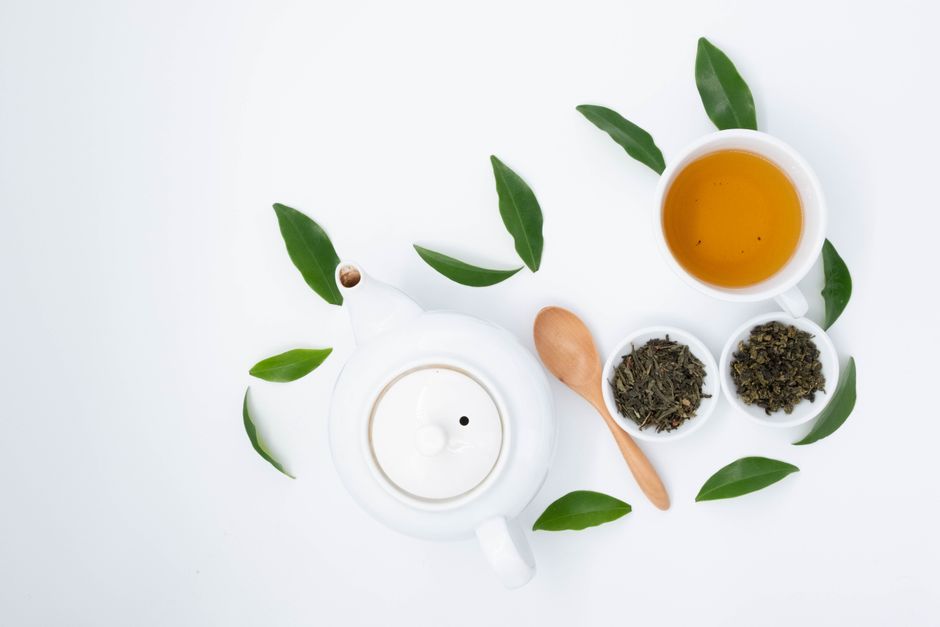
Photo: Pexels / ric perin
Choose low-fat or unsweetened versions to keep added sugar and saturated fat in check.
A glass with breakfast or as an afternoon snack is an easy habit to build.
5. Coconut Water and Diluted Juice in Moderation
✅ Key points
- Coconut water has electrolytes.
- Dilute 100% fruit juice.
- Enjoy in moderation.
Coconut water naturally contains potassium and other electrolytes (minerals that help your body balance fluids), making it a refreshing option after light exercise.
Diluting 100% fruit juice with water gives you flavor and vitamins with less sugar than a full glass.

Photo: Pexels / Karolina Grabowska www.kaboompics.com
Be mindful, though, as these drinks contain natural sugars and calories that can add up quickly.
Enjoy them occasionally rather than as your main daily drink, and talk with your doctor if you have diabetes or kidney concerns.
When to see a doctor
- You feel dizzy, confused, or unusually tired, which may signal dehydration
- You have ongoing dry mouth, dark urine, or rarely feel the need to urinate
- You have kidney disease or heart failure and are unsure how much fluid is safe
- You notice swelling in your legs, ankles, or feet after increasing your fluids
Wrap-up
Staying hydrated doesn't have to feel like a chore.
By rotating in flavorful, healthy drinks instead of water, you can enjoy every sip while supporting your body as you age.
Start with one small swap today, listen to how you feel, and always talk with your doctor about what's right for your health.
✅ Your checklist for today
☐ Swap one sugary drink for unsweetened herbal or green tea
☐ Prepare a pitcher of infused water and keep it in the fridge
☐ Limit caffeine after early afternoon to protect your sleep
☐ Choose low-fat milk or a fortified alternative with one meal
☐ Track how many cups of fluid you drink today
Frequently asked questions
Q. Can these drinks fully replace plain water?
A. They can supplement your hydration and add variety, but water remains the simplest, sugar-free choice.
Aim for a mix, and check with your doctor about the right total fluid amount for you.
Q. Is caffeine in green tea a problem for seniors?
A. Green tea has far less caffeine than coffee, so moderate amounts are fine for most people.
If caffeine affects your sleep, heart rate, or blood pressure, enjoy it earlier in the day and ask your doctor.
Q. Are fruit juices a healthy way to hydrate?
A. Juices contain vitamins but also a lot of natural sugar, so they're best diluted and enjoyed in moderation.
Whole fruit and water are usually better everyday choices, especially if you manage diabetes.
If this was helpful, please follow and share . Questions? Leave a comment below!
Helpful products
These items may be helpful in daily life; individual results may vary.
Herbal tea on Amazon › Green tea bags on Amazon › Insulated tumbler on Amazon ›As an Amazon Associate, I earn from qualifying purchases.
#SeniorHealth #HealthyDrinks #Hydration #HerbalTea #GreenTea #NutritionForSeniors #HealthyAging #WellnessTips
📚 Trusted sources to learn more
For more, see trusted sources such as the CDC and the Mayo Clinic.
📝 About this article
'ReyB Health Notes' explains trusted public health information in plain language for older adults (50s–70s). (Reviewed June 2026)
This article is general health information and is not a substitute for diagnosis or treatment. If you have symptoms or concerns, please consult a medical professional.
Comments
Post a Comment