Cold Prevention for Seniors: 5 Habits for Big Temperature Swings
💡 Key Takeaways
- Layer clothes, warm three 'necks': neck, wrists, ankles.
- Wash hands thoroughly; sip warm water often.
- Prioritize sleep; see a doctor if cold worsens.

Dressed light at midday, then shivering by evening with a cold coming on?
When the day-night temperature gap tops 10°C (18°F), seniors — with weaker temperature control — tire easily, lose immunity, and catch colds.
But did you know cold viruses spread more by 'hands' than by coughing?
Here are five non-obvious habits to fend off colds during big seasonal swings.
📑 Contents
1. Beat a cold with 'one more layer' (warm the 'three necks')
✅ Key points
- Wear several thin layers.
- Warm neck, wrists, ankles.
- Carry light outer layer.
With big swings, wear several thin layers instead of one thick coat, so you can shed or add a layer to match your body temperature.

Photo: Pexels / Leeloo The First
Warming the 'three necks' — neck, wrists, and ankles, where large vessels pass — is especially effective at holding heat; a light scarf can fend off a cold.
Always carry a light outer layer for morning and evening outings.
💡 See a doctor if a cold lingers or joints worsen.

2. Cold viruses spread more by 'hands' than by coughing
✅ Key points
- Wash hands 30 seconds.
- Avoid touching your face.
- Mask up in crowded spaces.
Surprisingly, colds spread more when a virus on your hands reaches your eyes, nose, or mouth than through cough droplets.
So washing hands with soap for 30 seconds after outings and before meals is the strongest prevention.
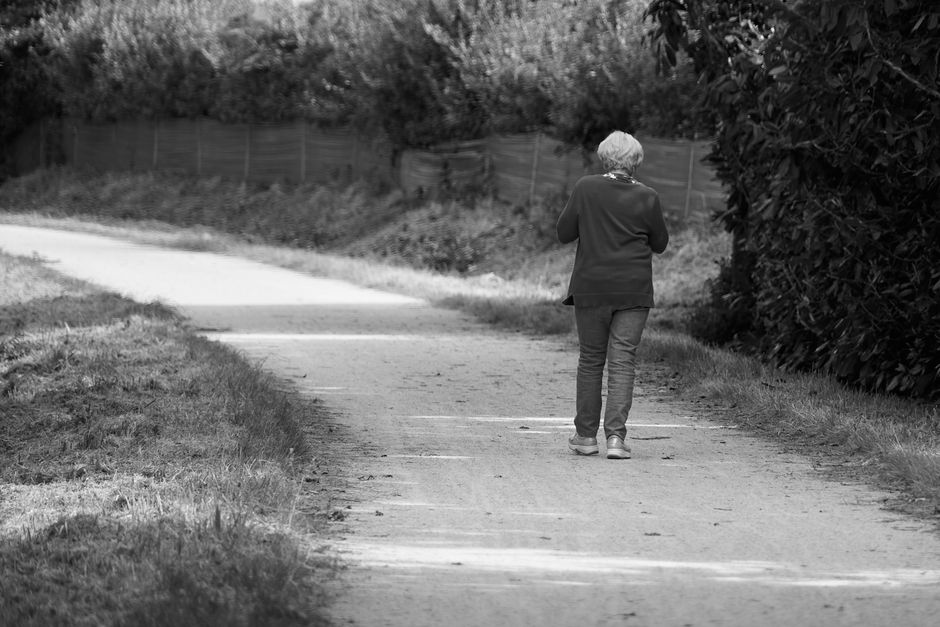
Photo: Pexels / Richard REVEL
When you can't wash, simply not touching your face — especially eyes, nose, mouth — helps.
Ventilate the home a few times a day, and mask up in crowded indoor spaces.
3. Warm water protects your 'mucous membranes' so colds come less
✅ Key points
- Sip warm water often.
- Keep membranes moist.
- Eat balanced, protein-rich meals.
When nose and throat membranes dry out, they filter viruses less well, so you catch colds more easily.
Sip warm water often to keep them moist.
Balanced meals with protein (meat, fish, beans, eggs) and vegetables support energy and immunity.
But no single food or supplement — not even vitamin C — can be said to 'prevent or cure' a cold, so eating well overall is best.
4. Short sleep invites colds (watch early-morning exercise)
✅ Key points
- Too little sleep lowers immunity.
- Maintain regular sleep schedule.
- Avoid hard early-morning exercise.
Too little sleep noticeably lowers immunity and invites colds, so keep a regular sleep schedule and add daytime light walks for both immunity and sleep.
But the biggest temperature gap is at 'early dawn,' so push hard morning exercise to later, when the sun is up and it's warmer, to spare your airways and vessels.
Do gentle stretches before and after activity.
5. Watch joints and muscles in the changing season too
✅ Key points
- Knees, lower backs stiffen.
- Loosen with gentle stretches.
- Keep knees and back warm.
As temperatures drop, many feel knees and lower backs stiffen and ache more.
Loosen up with gentle stretches before moving, and keep knees and back warm to feel more comfortable.
If a cold drags on toward bronchitis or pneumonia, or joint pain steadily worsens, don't endure it — see a doctor.
When to see a doctor
- A fever of 38°C (100°F)+ lasting over three days or worsening
- A cough over two weeks with yellow phlegm and chest pain
- Breathlessness, wheezing, and unusual loss of energy
- Worsening ear or sinus pain after a cold, or symptoms relapsing
Wrap-up
Preventing seasonal colds comes down to layering (warm the three necks), washing hands, warm water, and good sleep.
Even with the basics, if symptoms linger or worsen, see a doctor early before it turns into pneumonia.
✅ Your checklist for today
☐ Layer thin clothes; warm neck, wrists, ankles
☐ Wash hands 30 sec after outings and before meals
☐ Sip warm water to keep membranes moist
☐ Keep a regular sleep schedule; avoid dawn workouts
☐ See a doctor if a cold lingers or joints worsen
Frequently asked questions
Q. Colds come from the cold, so why does hand-washing matter so much?
A. The cause is a virus, not cold air itself. It spreads most when virus-laden hands touch your eyes, nose, or mouth, so hand-washing is powerful prevention.
Q. How is a cold different from the flu?
A. A cold brings gradual sniffles and is mild; flu hits suddenly with high fever and body aches.
The flu can be prevented with a fall vaccine.
Q. Does lots of vitamin C cure a cold faster?
A. It may help a little, but taking a lot doesn't reliably speed recovery.
Eat well, rest, and see a doctor if symptoms are severe.
If this was helpful, please follow and share . Questions? Leave a comment below!
Helpful products
These items may be helpful in daily life; individual results may vary.
Fleece cardigan on Amazon › Hand sanitizer on Amazon › Knee heating pad on Amazon ›As an Amazon Associate, I earn from qualifying purchases.
#coldprevention #seasonalhealth #immunity #handwashing #seniorhealth #healthyaging #fallhealth #healthtips
📚 Trusted sources to learn more
For more, see trusted sources such as the CDC.
📝 About this article
'ReyB Health Notes' explains trusted public health information in plain language for older adults (50s–70s). (Reviewed June 2026)
This article is general health information and is not a substitute for diagnosis or treatment. If you have symptoms or concerns, please consult a medical professional.
Comments
Post a Comment