Better Sleep for Seniors: 5 Insomnia Fixes Starting With Morning Light
💡 Key Takeaways
- Morning light sets your body clock for sleep.
- Let go of 8-hour rule; sleep less with age.
- If no sleep after 20 mins, get out of bed.

Waking at 3 a.m. and struggling to drift off again?
Lighter, more broken sleep is a natural part of aging — but the pressure to 'sleep well' often makes insomnia worse.
And surprisingly, the key to night sleep starts in the morning.
Here are five non-obvious ways to reclaim deeper sleep before reaching for pills.
📑 Contents
1. The key to deep sleep is 'morning light'
✅ Key points
- Get 15-30 mins morning light.
- Sets body clock for sleep.
- Wake at same time daily.
Getting 15–30 minutes of morning light sets your body clock so that, about 14–16 hours later, your 'sleep hormone' melatonin rises at night.
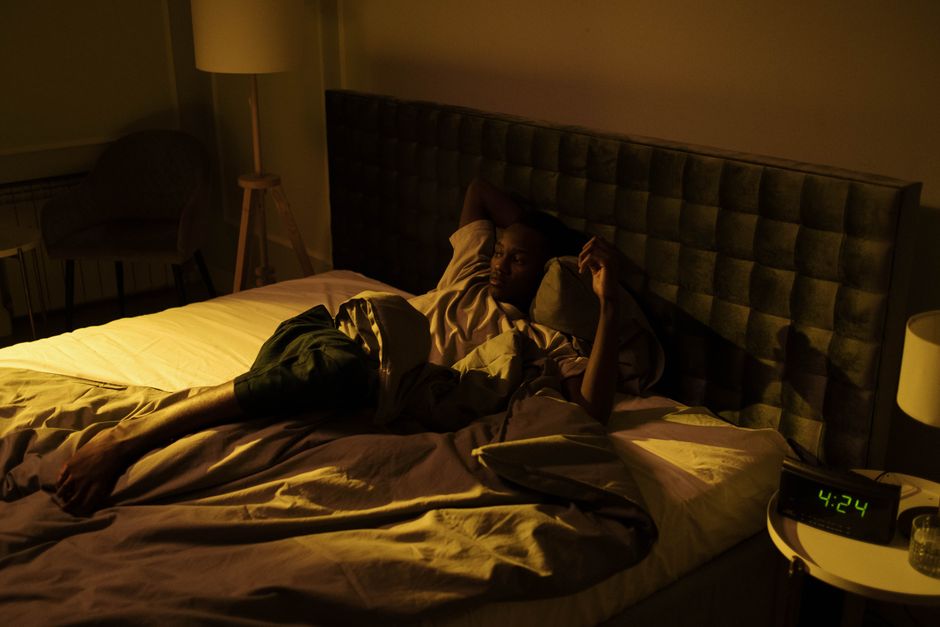
Photo: Pexels / cottonbro studio
So the paradox is that to sleep well at night, the most important step is waking at the same time and seeing light in the morning.
Don't blow up your rhythm with weekend sleep-ins — open the curtains or step outside briefly when you wake.
💡 If insomnia lingers, work with a doctor on the cause rather than adding pills.

2. Drop the '8-hour' obsession and sleep gets easier
✅ Key points
- Sleep needs shrink with age.
- Lie down only when sleepy.
- Naps under 20 minutes, before 3pm.
With age, the sleep you need — and the amount of deep sleep — naturally shrinks.
Insisting on '8 hours' and lying in bed tossing trains your brain to see the bed as a 'place I can't sleep,' which worsens insomnia.

Photo: Pexels / SHVETS production
Lie down when sleepy, and if you feel okay in the daytime, count it as good sleep.
If you nap, keep it under 20 minutes and before 3 p.m. to protect night sleep.
3. Can't sleep? Get out of bed after 20 minutes
✅ Key points
- Get out of bed after 20 mins.
- Do something calm, lights low.
- Avoid bright phone, TV screens.
If you're still awake after about 20 minutes, don't force it — get up, keep the lights low, do something calm, and return when sleepy.
This keeps the link 'bed = sleep' alive (stimulus control). Watching the clock breeds the anxiety 'I've only slept a few hours,' which chases sleep away, so turn the clock around.
Keep bright phone and TV screens away before bed, since their light suppresses melatonin.
4. Alcohol is not a sleeping pill (you'll wake at 3 a.m.)
✅ Key points
- Alcohol causes shallow sleep.
- Avoid caffeine after 2 p.m.
- Warm shower 1-2 hours before bed.
A nightcap may help you fall asleep faster, but alcohol makes the second half of the night shallow, waking you up and sending you to the bathroom.
Caffeine takes 5–6 hours just to half-clear, so avoid coffee, green tea, and cola after about 2 p.m.
Instead, a warm shower 1–2 hours before bed brings drowsiness as your body temperature drops afterward, and keep dinner light to avoid an uncomfortable stomach.
5. Sleeping pills and night-time bathroom trips
✅ Key points
- Sleeping pills carry risks.
- Use pills only with doctor.
- Cut fluids after evening.
Sleeping pills carry dizziness, fall, and dependence risks for older adults, so use them only with a doctor and only as much as needed — not bought and used long-term on your own.
If bathroom trips keep waking you, cut fluids after evening and ask your doctor about the timing of any 'water pill' (diuretic).
Loud snoring with pauses in breathing, or restless, tingling legs at night, may be sleep apnea or restless legs — worth getting checked.
When to see a doctor
- Loud snoring with pauses in breathing and heavy daytime sleepiness
- Insomnia lasting over a month that disrupts daily life
- Sleeplessness with strong low mood, anxiety, or loss of motivation
- Severe dizziness or near-falls after taking a sleeping pill
Wrap-up
Deep sleep starts with morning light, letting go of the 8-hour rule, getting up when you can't sleep, and easing off evening alcohol and caffeine.
Try just 'open the curtains when you wake' tomorrow.
If insomnia lingers, work with a doctor on the cause rather than adding pills.
✅ Your checklist for today
☐ Wake at the same time; get 15–30 min of morning light
☐ Lie down only when sleepy (drop the 8-hour rule)
☐ Up after 20 minutes, return when sleepy
☐ No coffee/tea/cola after 2 p.m.
☐ Warm shower 1–2h before bed; lighter evening drinks
Frequently asked questions
Q. I sleep less than I used to — is under 8 hours unhealthy?
A. Sleep needs vary.
If you're not very sleepy in the daytime and feel okay, 6–7 hours can be enough.
Judge by how you feel, not the number 8.
Q. I have a drink to fall asleep — is that fine?
A. Alcohol helps you fall asleep but makes the later night shallow, waking you up.
It's actually bad for sleep, so a 'nightcap for sleep' isn't recommended.
Q. Are sleeping pills hard to stop once started?
A. Used long-term they can bring dependence and fall risk.
That's why doctors keep them short and as-needed, paired with better sleep habits.
If this was helpful, please follow and share . Questions? Leave a comment below!
Helpful products
These items may be helpful in daily life; individual results may vary.
Blackout curtains on Amazon › Memory foam pillow on Amazon › Sleep mask on Amazon ›As an Amazon Associate, I earn from qualifying purchases.
#sleep #insomnia #bettersleep #sleephabits #melatonin #seniorhealth #healthyaging #healthtips
📚 Trusted sources to learn more
For more, see trusted sources such as the National Institute on Aging and the Sleep Foundation.
📝 About this article
'ReyB Health Notes' explains trusted public health information in plain language for older adults (50s–70s). (Reviewed June 2026)
This article is general health information and is not a substitute for diagnosis or treatment. If you have symptoms or concerns, please consult a medical professional.
Comments
Post a Comment