Anti-Inflammatory Foods: 5 Senior-Friendly Picks
💡 Key Takeaways
- Smart food swaps ease aches, boost energy.
- Incorporate berries, turmeric, leafy greens, omega-3s.
- Steady small swaps beat strict, short-lived diets.

Here's the takeaway first: certain everyday anti-inflammatory foods may help calm the low-grade inflammation that quietly stiffens joints and tires you out as you age.
Picture this — you're back from your morning walk through the city park, knees a little achy, reaching for the same toast and coffee you always have.
What if a few smart swaps on that same plate could ease those aches over time?
Research suggests an anti-inflammatory diet for seniors may support joint comfort, heart health, and steadier energy.
No magic, no miracle pills — just real food, the right timing, and a couple of details most people miss.
📑 Contents
1. Berries: Tiny Fruit, Big Anti-Inflammatory Punch
✅ Key points
- Berries fight inflammation.
- Frozen berries equally potent.
- Eat half cup most days.
Berries are loaded with anthocyanins — the natural pigments that give them their deep blue and red color and act as inflammation fighters in the body.
Here's the part people skip: frozen berries are just as potent as fresh, since they're picked and flash-frozen at peak ripeness, so you don't need to splurge on out-of-season fresh ones.
Photo: Unsplash / Mariana Montes de Oca

A handful (about half a cup) most days is a realistic, doable amount.
Toss them into oatmeal or yogurt for an easy anti-inflammatory breakfast idea — but there's a smarter pairing coming up that makes these foods work even harder.
💡 If taking blood thinners, consult doctor about leafy greens.

2. Turmeric: The Anti-Inflammatory Spice With a Catch
✅ Key points
- Turmeric eases joint discomfort.
- Add black pepper, fat.
- Improves curcumin absorption.
Turmeric contains curcumin, one of the most studied anti-inflammatory spices and herbs, often linked with easing joint discomfort.
But here's what most people miss — curcumin is poorly absorbed on its own.

Photo: Pexels / Tamanna Rumee
Add a pinch of black pepper, which contains piperine and may boost absorption dramatically, plus a little fat like olive oil since curcumin is fat-soluble.
Stir it into soups, eggs, or warm milk for a cozy anti-inflammatory drink; just know it flavors food, it doesn't replace any medicine your doctor prescribes.
3. Leafy Greens: Foods That Reduce Inflammation in the Body
✅ Key points
- Leafy greens dampen inflammation.
- Cooked greens free nutrients.
- Eat 1-2 cups cooked daily.
Spinach, kale, and Swiss chard are packed with vitamin K, folate, and antioxidants that help dampen inflammatory signals.
A common myth says raw salads are always best — but lightly cooking greens like spinach actually frees up more absorbable nutrients and is gentler on sensitive stomachs.
Photo: Unsplash / Sheila C

Aim for one to two cups of cooked greens daily, sautéed quickly in olive oil.
If you take blood thinners like warfarin, keep your greens consistent and check with your doctor first, since vitamin K affects how that medication works.
4. Omega-3: The Best Anti-Inflammatory Foods for Arthritis
✅ Key points
- Fatty fish deliver omega-3s.
- Reduce inflammatory chemicals.
- Two servings weekly for arthritis.
Fatty fish like salmon, sardines, and mackerel deliver omega-3 fats (EPA and DHA) that help your body produce fewer inflammatory chemicals — one reason they're often named among the best anti-inflammatory foods for arthritis.
Two servings a week, roughly the size of your palm, is the commonly suggested target.
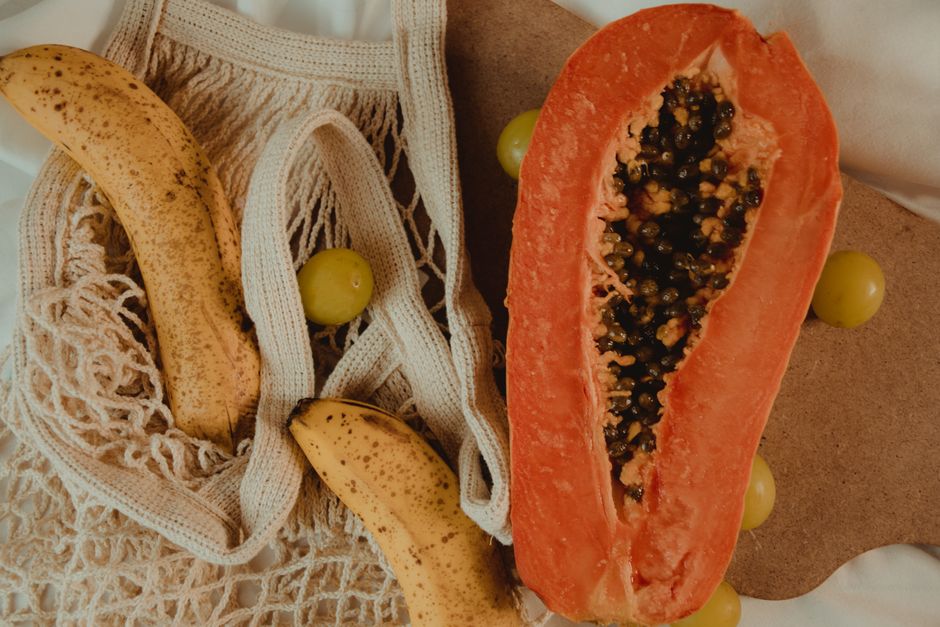
Photo: Pexels / Majo Pestaña
The timing trick: spread it across the week rather than one big Sunday meal, since steady intake keeps the anti-inflammatory effect more consistent.
Not a fish fan?
Walnuts, chia, and flaxseed offer plant-based omega-3, though the body converts them less efficiently.
5. What to Cut: Inflammatory Foods to Avoid
✅ Key points
- Trim inflammatory foods.
- Avoid sugary drinks, fried foods.
- Make small, repeated swaps.
Adding good foods matters, but quietly trimming the inflammatory ones may matter just as much.
The usual culprits — sugary drinks, packaged pastries, deep-fried foods, and heavily processed meats — can nudge inflammation upward, especially with chronic pain.
Photo: Unsplash / Hong Nguyen

You don't have to go cold turkey; start by swapping one soda for sparkling water with berries, or one fried snack for a small handful of walnuts.
Small, repeated swaps beat a strict overhaul you'll abandon by Friday — and here's a question worth asking before you change much.
When to see a doctor
- Joint pain or swelling that lasts more than a couple of weeks despite diet changes
- Persistent stiffness in the morning that doesn't ease as you move
- Unexplained fatigue, fever, or weight loss alongside aches
- You take blood thinners, diabetes, or heart medication and want to change your diet significantly
Wrap-up
You don't need to overhaul your whole kitchen this week — just start with one swap and build from there.
Anti-inflammatory foods like berries, turmeric, leafy greens, and omega-3 fish may help ease everyday aches and support healthy aging, but they work best as steady habits checked with your doctor.
Be patient with yourself; small plates lead to big changes over time.
✅ Your checklist for today
☐ Add half a cup of berries to breakfast
☐ Stir turmeric with black pepper and olive oil into one meal
☐ Eat one to two cups of cooked leafy greens
☐ Plan two palm-sized servings of fatty fish this week
☐ Swap one sugary drink for water or sparkling water
Frequently asked questions
Q. How long until anti-inflammatory foods make a difference?
A. It varies, but many people notice gradual changes over several weeks to a few months of consistent eating — not overnight.
Food works best as a steady habit alongside, not instead of, your doctor's plan.
Q. Are supplements as good as anti-inflammatory foods?
A. Whole foods give you fiber and a mix of nutrients that pills can't fully copy.
Inflammation-reducing supplements like fish oil or curcumin may help some people, but talk with your doctor first, especially if you take other medications.
Q. Can these foods replace my arthritis medication?
A. No. An anti-inflammatory diet may support comfort and overall health, but it isn't a substitute for prescribed treatment.
Never stop or change medication without talking to your doctor.
If this was helpful, please follow and share . Questions? Leave a comment below!
Helpful products
These items may be helpful in daily life; individual results may vary.
Turmeric curcumin on Amazon › Berry supplement on Amazon › Omega 3 fish oil on Amazon ›As an Amazon Associate, I earn from qualifying purchases.
#AntiInflammatoryDiet #InflammationReduction #HealthyAgingTips #PainReliefFoods #ArthritisDiet #AntiInflammatoryFoods #SeniorNutrition #Omega3
📚 Trusted sources to learn more
For more, see trusted sources such as the CDC and the Mayo Clinic.
📝 About this article
'ReyB Health Notes' explains trusted public health information in plain language for older adults (50s–70s). (Reviewed June 2026)
This article is general health information and is not a substitute for diagnosis or treatment. If you have symptoms or concerns, please consult a medical professional.
Comments
Post a Comment